
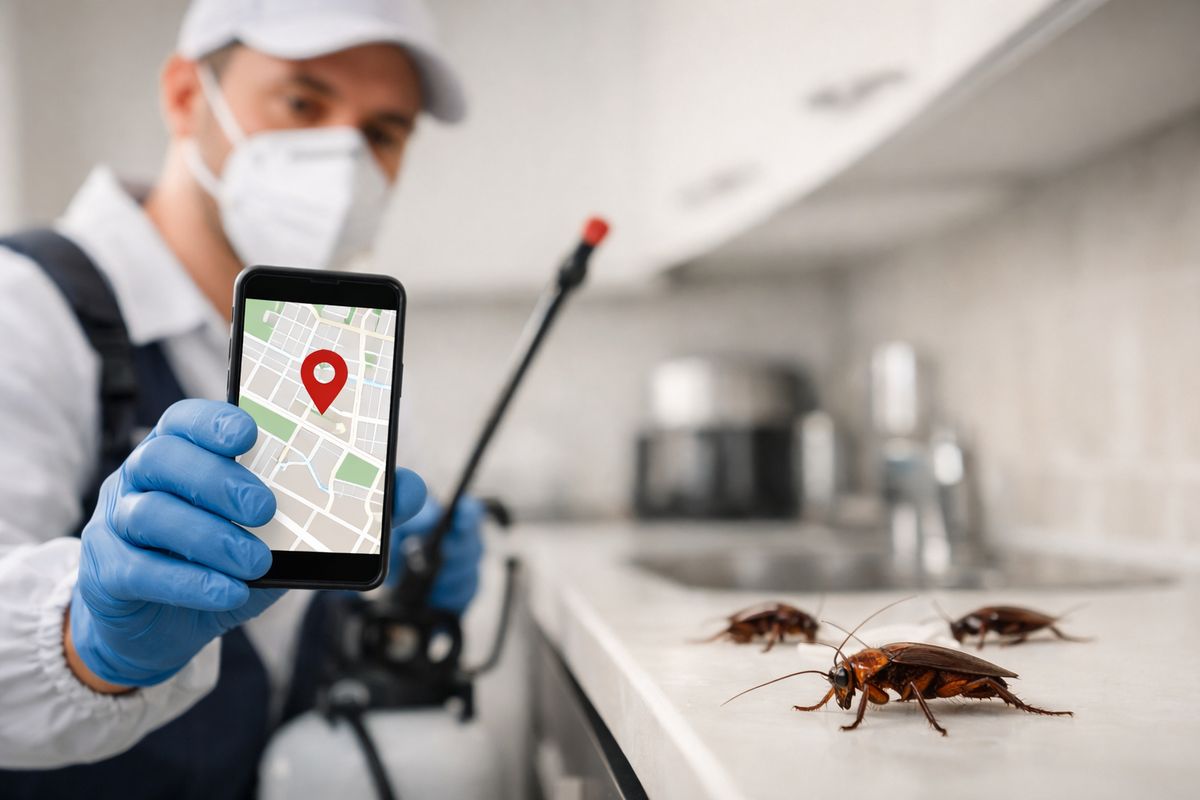
Searching for a cockroach exterminator near me usually starts after a bad little moment, like flipping on a Chicago kitchen light at 11 p.m. and seeing one roach shoot behind the stove. Here’s the thing: one sighting is rarely just one, especially with German cockroaches hiding close to food and water. Picking the right company is about lasting control, not paying for a quick spray and hoping for the best.
Why picking the right roach exterminator matters more than picking the cheapest one
Roaches are stubborn, fast-breeding, and good at staying out of sight. Illinois guidance notes that German cockroaches spend 75% of their life in hiding, usually near a food source, which is why a cheap surface treatment often misses the real problem.
The bigger issue is health. Roaches can contaminate food and trigger asthma symptoms, especially in homes with children or anyone sensitive to allergens. So the goal is not to kill the one you saw. The goal is to stop the nest, the egg cases, and the route that keeps bringing more in.
What a good cockroach exterminator should actually do
A solid service should feel methodical, not rushed. Before booking, expect more than a generic price and a promise to spray.
Start with a real inspection, not a rushed quote
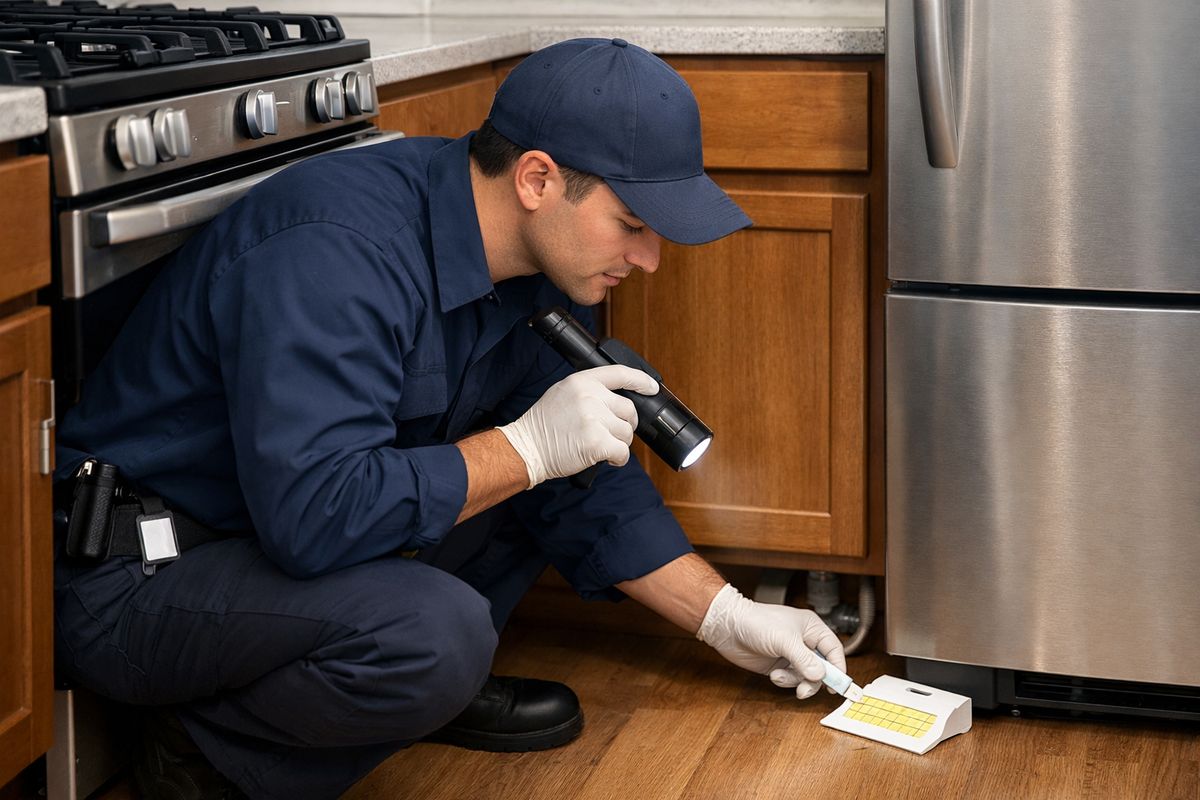
A real inspection checks kitchens, bathrooms, utility rooms, appliance gaps, pipe openings, cabinets, and in apartments, shared walls. Species matters. German, American, and Oriental cockroaches behave differently, hide in different places, and need different treatment plans.
If a company skips inspection and jumps straight to pricing, move on. A better sign is a provider that explains where roaches are likely nesting and why. That is also a good time to look at what professional service usually includes so you can compare promises with reality.
Use an IPM approach instead of spray-only treatment
IPM means integrated pest management, which is just a practical mix of inspection, targeted treatment, sanitation fixes, monitoring, and sealing entry points. Illinois public health guidance is very clear that one control method rarely solves a roach infestation.
Cleaning alone will not fix it. Spraying alone will not fix it either.
Build the plan around baiting, monitoring, and follow-up
Good exterminators usually lean on gel baits, sticky monitors, and dusts placed in the right cracks and voids, not broad baseboard spraying. That lines up with industry trends too, with gel baits leading product use because they work well in kitchens and other sensitive areas.
Follow-up matters because roaches reproduce fast. If the company includes return visits, trap checks, and adjustments based on what activity remains, that is a real plan.
How to compare exterminators near you without getting overwhelmed
In Chicago neighborhoods, Naperville, Schaumburg, and other busy suburbs, local results can feel like a wall of ads and star ratings. The trick is to compare a few specific details, not everything.
Check local experience with apartments, condos, and multi-unit buildings
In multi-unit housing, roaches move through plumbing lines, wall voids, and utility chases like commuters using side streets. If one unit gets treated and the next one doesn’t, the pressure often shifts instead of ending.
That is why apartment experience matters. If you rent, it helps to understand what to do in a shared building before you book, especially if property management or neighboring units are part of the problem.
Ask these questions before you book
Ask what treatment methods are used for cockroaches, whether the species will be identified, how many visits are included, whether entry points get sealed, what prep is required, and what happens if roaches come back. Short questions, clear answers.
If the answers sound vague, canned, or rushed, trust that feeling.
Read reviews for specifics, not just star ratings
A 4.9 rating is nice, but details matter more. Look for mentions of clear prep instructions, respectful in-home service, fast response, helpful follow-up, and actual results after a second visit. Reviews that only say “great service” do not tell you much.
Price, contracts, and what you’re really paying for
Roach extermination prices vary, but value is easier to spot than people think. You are paying for inspection, strategy, materials, labor, and follow-through.
When a low quote is a red flag
An ultra-cheap offer often means one visit, one spray, and not much else. The catch is that spray-only work can fail fast, especially since pyrethroid sprays may need longer exposure to work well.
A cheap first visit can drag out the infestation and cost more later.
One-time treatment vs ongoing service
A one-time service can make sense for a very early issue with little activity. Recurring service makes more sense in older buildings, shared housing, restaurants, and places where roaches have shown up before. Since 62% of households deal with recurring roach problems, ongoing monitoring is not overkill.
What should be included in the estimate
The estimate should spell out inspection, treatment method, number of visits, monitor placement, warranty or retreat terms, prep instructions, and prevention guidance. Clear paperwork is part of good service. So is explaining safety in plain English, especially if you need more detail about treatment around pets and kids.
Red flags that should send you to another company
Bad providers usually tell on themselves early.
“We’ll just spray and you’ll be fine”
That line is outdated. Roaches hide deep in cracks, behind appliances, and around moisture, so a simple spray pass is rarely enough, especially for German roaches.
No follow-up plan, no prep guidance, no prevention advice
A good plan includes your part too: cut clutter, store food tightly, fix leaks, and clean under appliances. If that conversation never happens, the service is incomplete. For a practical checklist, see how to get your place ready before treatment.
Vague answers about products or safety
You should hear what goes where, why it is used, and what precautions matter in your home or building. If the company cannot explain that clearly, keep looking.
The best type of exterminator for your situation
The right fit depends on where you live and how bad the problem is.
If you’re a homeowner
Look for full-home inspection, sealing work, kitchen and basement treatment, and a prevention plan that lasts after the first visit.
If you rent an apartment or condo
Look for documentation, coordination with management, and experience with shared-wall reinfestation.
If you manage a building or commercial property
Look for recurring service, reporting, sanitation coordination, and tenant communication. A nearby provider with roach inspection and treatment options should be able to explain building-wide strategy, not just unit-by-unit spraying.
What you can do before and after the exterminator arrives
Your setup affects the result. Not because the problem is your fault, but because roaches follow food, moisture, and shelter.
Before the visit
Clear under sinks, wipe up grease and crumbs, empty trash, store pantry food in sealed containers, and note where activity shows up at night. If you are unsure what counts as activity, brush up on the indoor warning signs to watch for.
After the visit
Follow the instructions, do not wipe away bait placements, keep moisture down, and watch the monitors between visits. Those little details help the exterminator adjust the plan instead of guessing.
How to choose your cockroach exterminator this week
Pick two or three local companies. Ask the same short list of questions. Compare inspection quality, follow-up plans, and whether the service treats the cause instead of just the bug you saw.
Then make the call. Try that shortlist-and-book step this week, before one late-night roach turns into a bigger problem.
Frequently Asked Questions
How fast can a roach exterminator get rid of cockroaches?
Visible activity can drop quickly, but full control usually takes more than one visit. Roaches hide well, eggs hatch later, and nearby units can add pressure in apartments.
Is one roach a sign of an infestation?
Often, yes. Roaches are nocturnal and good at hiding, so seeing one in the open can mean more are tucked behind appliances, inside cabinets, or near plumbing.
Do you need to leave during roach treatment?
Sometimes, but not always. It depends on the products used, where treatment is applied, and whether kids, pets, or health concerns are involved. A good exterminator explains that before arrival.
What works better for roaches, spray or bait?
Bait usually plays the bigger role in effective control, especially for German cockroaches. Spray alone is often a short-term fix unless it is part of a broader treatment plan.
Can roaches come back after professional treatment?
Yes, especially in shared buildings or homes with moisture, food access, and open entry points. That is why follow-up, monitoring, and sealing matter so much.