

Condo pest control gets frustrating fast when you spot roaches at 10 p.m., set out traps, wipe everything down, and still see another one skitter across the counter the next night. In Chicago condos, that usually means the problem is bigger than one unit. This guide shows what actually belongs in a service plan, what to compare before signing, and what to ignore.
Why condo pest control works differently in Chicago
In a single-family home, pests often stay tied to one structure. In a condo building, roaches and rodents move through shared walls, pipe chases, vents, trash rooms, and basements like commuters switching lines. In dense buildings, shared walls and plumbing make one-unit treatment a short-term patch, not a real fix.
That is the direct truth: if roaches keep coming back, treating one condo alone is usually not enough.
Why older Chicago buildings get hit harder
Older Chicago buildings have character, but pests love character. Vintage walk-ups, aging brick buildings, and older high-rises often have more wall voids, loose baseboards, cracked mortar, and tired plumbing. A kitchen off Milwaukee Avenue or a basement laundry room in Rogers Park can give roaches exactly what they want: warmth, moisture, and hidden travel routes.
Leaks make it worse. Even a slow drip under a sink can keep an infestation alive long after a spray dries up.
The pests most condo owners deal with
Cockroaches usually top the list, especially in kitchens, bathrooms, utility spaces, and trash-adjacent areas. After that, the usual troublemakers are rodents, bed bugs, ants, and flies. Pest type matters because it changes the timeline, the treatment method, and the urgency. A roach plan should not look like a bed bug plan, and a rodent issue should include exclusion work, not just bait.
What a good condo pest control plan should include
A good plan is a system, not a quick visit with a spray can. The point is to remove active pests, track where activity is coming from, and make the building harder to infest again.
Building-wide inspection and problem mapping
Strong condo pest control starts with inspection in affected units, nearby units, common hallways, trash rooms, basements, utility areas, and exterior entry points. “Problem mapping” sounds technical, but it just means figuring out where pests live, where you keep seeing them, and how they move through the building.
That step matters because treating the wrong spots is like mopping up water without checking the pipe.
Roach-focused treatment that goes beyond spraying
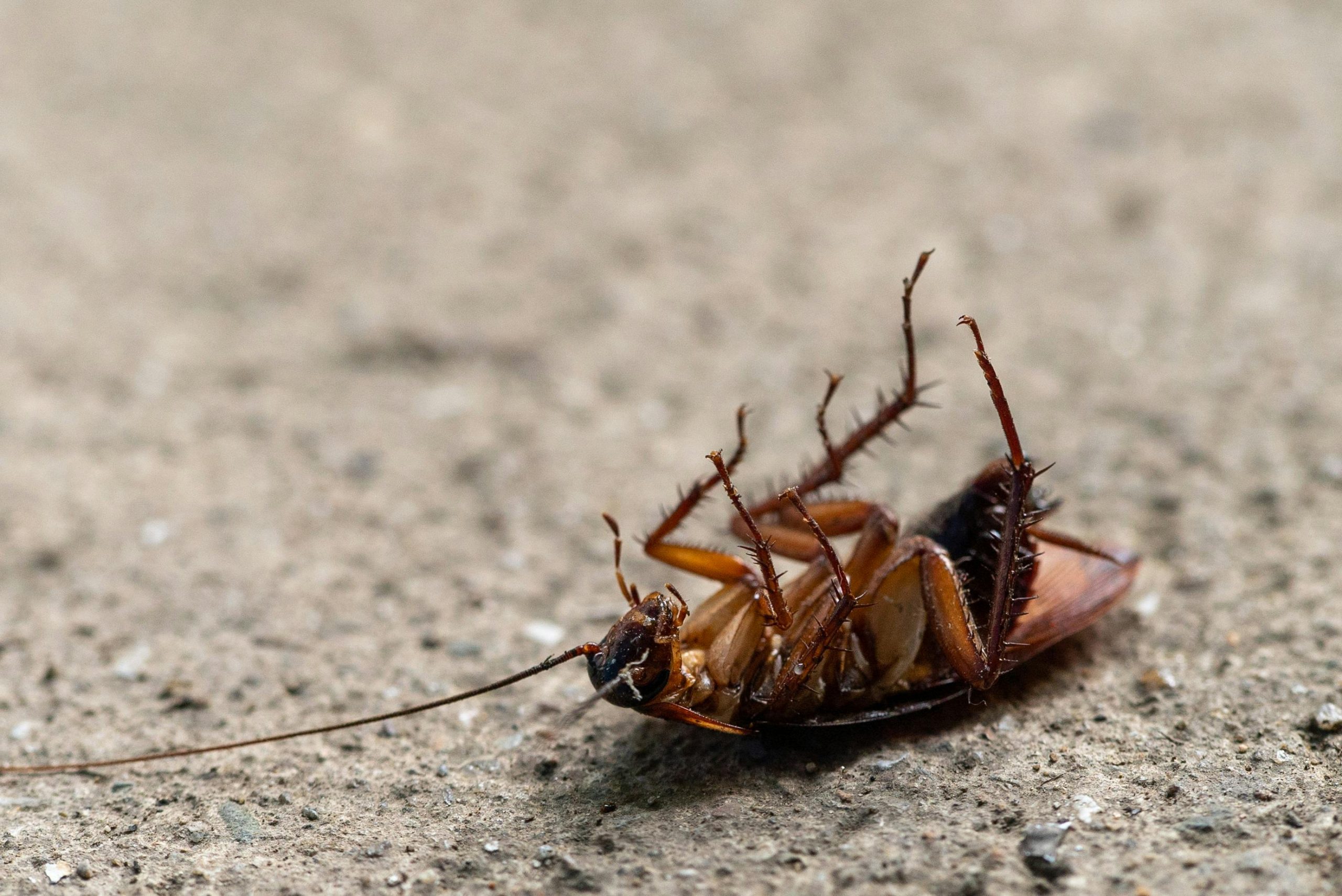
For condo roaches, spray-only service is usually the wrong plan. Better plans use bait placements, crack-and-crevice treatment, insect growth regulators, and return visits. A growth regulator is simply a product that disrupts the roach life cycle so new generations cannot keep replacing the ones you kill.
In multi-unit housing, roaches often persist because wall voids, plumbing lines, and inaccessible spaces keep feeding the problem. That is why follow-up matters so much.
Prevention work: sealing, leaks, and sanitation
The best plans pair treatment with small building fixes. Sealing gaps under sinks, repairing leaks, tightening door sweeps, improving trash handling, and cleaning shared spaces all make a difference. Crumbs and moisture are not just messy, they are an invitation.
If you want a lower-risk approach around family spaces, it helps to understand what to ask about treatment safety, especially in buildings with pets and kids.
Resident communication and access
A plan falls apart when residents do not know how to prepare or when technicians cannot get into affected units. Good providers give simple prep instructions, clear service windows, and a way to document which units were treated.
The catch is that skipped units can send the problem right back. Roaches do not care whose appointment got missed.
How to compare service plans before you sign
Service plans can look similar on paper and work very differently in practice. A little comparison upfront saves repeat calls later.
One-time service vs recurring condo pest control plans
A one-time visit can make sense for a minor, isolated issue or early activity caught quickly. But in buildings with repeat roach sightings, recurring service is usually the smarter buy. Urban pest management is increasingly shifting toward preventive subscription models, and that fits condo life better than waiting for the next outbreak.
Monthly or bi-monthly visits often make more sense than quarterly service when roach pressure is high.
Ask whether the company uses IPM
IPM stands for Integrated Pest Management. In plain English, that means inspection, exclusion, sanitation, monitoring, and targeted treatment instead of blanket spraying everything in sight.
That matters in condos because shared living spaces need long-term control with less disruption. A provider offering ongoing pest service should be able to explain exactly how inspection, monitoring, and follow-up fit together.
Licensing, documentation, and compliance
In Illinois, licensing and insurance are not paperwork fluff. You want trained technicians, product documentation, service records, and a clear scope of work. That protects your unit, your condo association, and your budget if problems drag on.
This is also where reading what belongs in a service agreement helps, because vague guarantees and fuzzy treatment language are a headache later.
Monitoring and reporting tools
Monitoring tools can add real value, especially in larger buildings. Sticky monitors, smart traps, digital service logs, and trend reports show whether activity is dropping or just moving around. Some digitally monitored IPM systems cut repeat treatment frequency, which is exactly what you want in a condo setting.
Budgeting for condo pest control without getting burned
The cheapest quote is not always the cheapest outcome. Condo pest control costs change based on building size, pest type, infestation severity, number of affected units, common-area treatment, follow-up frequency, and repair needs.
What affects the cost
A small issue in one bathroom costs less than a building with roaches in multiple stacks, trash room activity, and leaking pipes in common walls. Plans also cost more when service includes inspection, documentation, monitoring, and coordination with management. Honestly, that is usually money better spent than paying for a weak fix twice.
When the lowest quote is the wrong deal
Watch for red flags: no inspection, spray-only treatment, no follow-up, vague guarantees, and no mention of nearby units or common areas. The catch is that a bargain visit often turns into repeat visits, repeat complaints, and repeat charges.
How owners, boards, and managers can split responsibility
Responsibility should be clear before the first appointment. Unit treatment, common-area service, trash room oversight, plumbing repairs, and exclusion work should not be left fuzzy. Condo rules, association documents, landlords, and property managers may split those jobs differently, but the plan should spell out who handles what.
Common mistakes that keep roach problems coming back
Most repeat infestations come from a few predictable mistakes.
Treating only the unit where pests were seen
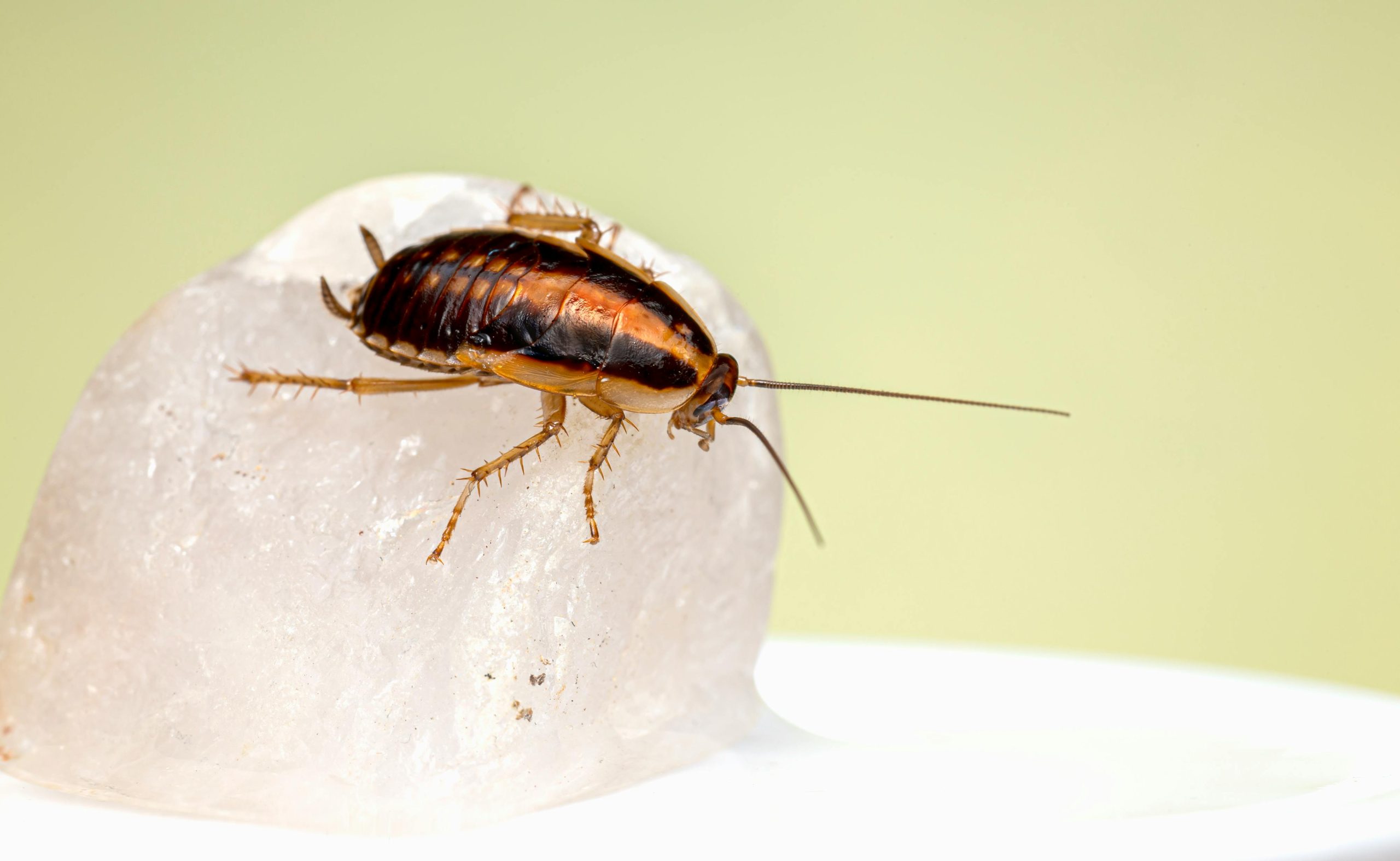
Visible activity in one condo often points to a building-wide issue. Roaches follow plumbing, electrical lines, and wall voids, so the sighting unit is often just the place where the problem becomes obvious.
Relying on store-bought products too long
DIY sprays, traps, and foggers feel fast, and plenty of people try them first. But 79% of renters already use consumer products, which helps explain why patchwork control is so common. The trick is knowing when to stop patching and switch to a coordinated plan.
Skipping prep or follow-up
Clutter, missed appointments, ignored leak repairs, and untouched sanitation notes can undercut even good treatment. Pest control works best when the service and the building fixes happen together.
Best condo pest control plans by situation
If you keep seeing roaches in one kitchen or bathroom, choose a roach-focused plan with inspection, baiting, follow-up visits, and checks of adjacent units plus plumbing and moisture sources.
If the whole building has repeat pest issues, a recurring building-wide plan makes more sense. Look for common-area treatment, resident notices, sanitation rules, waste-area oversight, and reporting that a board or manager can actually use.
If you manage an older condo building, prioritize exclusion work, maintenance coordination, and more frequent inspections. Older structures usually have more hidden access points.
If you want a lower-chemical option, look for an IPM-first plan with monitoring, targeted applications, and prevention steps instead of broad routine spraying.
Questions to ask before choosing a provider
Questions about treatment approach
Ask how roaches are handled in multi-unit buildings, whether nearby units get inspected, what products are used and why, and how many follow-up visits are included. A good answer should sound specific, not generic.
Questions about logistics and results
Ask about prep steps, access needs, resident notices, reporting, guarantees, emergency response, and how success gets measured. Then try one simple thing: ask for a written plan that covers both your unit and the building around it.
Frequently asked questions
How often should condo pest control be scheduled?
For recurring roach pressure in a multi-unit building, monthly or bi-monthly service usually works better than one-time treatment. Lower-pressure buildings may do well with quarterly prevention.
Is one roach enough to call a professional?
Yes, especially if you see it in a kitchen or bathroom at night. One sighting can mean hidden activity behind walls or near plumbing.
Do neighboring units need treatment too?
Often, yes. In condos, pests move through shared building systems, so checking adjacent units can be a big part of solving the problem for good.
Are lower-chemical pest control plans realistic?
Yes, if the plan uses IPM, monitoring, sealing, sanitation fixes, and targeted applications instead of blanket spraying. Lower-chemical does not mean no strategy.
What should a condo board ask for in writing?
Ask for inspection scope, treatment methods, follow-up schedule, prep instructions, reporting, guarantee details, and who is responsible for repairs or access.