
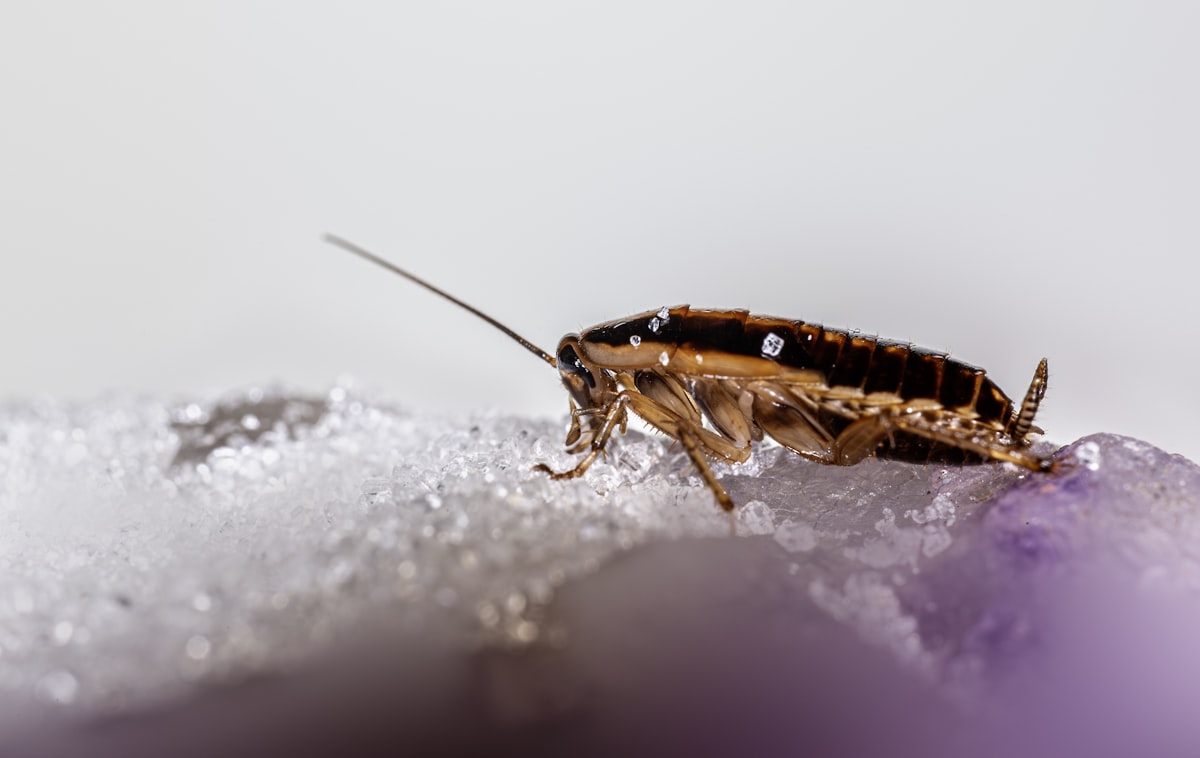
German cockroach treatment gets urgent fast because this is not the kind of pest problem that politely stays in one corner. One late-night kitchen light flip in a Chicago apartment can tell the whole story: a few small tan roaches scatter behind the toaster, under the stove, and straight into places you cannot reach. The good news is that what works best is not mysterious, but it does require the right plan.
Why German Cockroach Problems Get Out of Hand So Fast
German cockroaches are the roach problem that frustrates almost everyone the most. Not because you can see all of them, but because you usually cannot. By the time a few show up on the counter or by the sink, a much larger population is often tucked into cabinet joints, appliance motors, wall voids, and plumbing gaps.
Here’s the thing: visible roaches are usually just the tip of it. German cockroaches breed quickly, stay close to food and moisture, and squeeze into hiding spots as thin as a credit card edge. In a city condo, a two-flat, a larger apartment building, or a suburban townhome, that adds up to a pest that spreads faster than most people expect.
The environment inside a home suits them almost perfectly. Kitchens offer grease, crumbs, cardboard, and warm appliance voids. Bathrooms offer moisture and dark cracks. Utility rooms add heat, pipes, and clutter. If food, water, and shelter exist in the same small area, German roaches do not need much else.
That is why the best answer is not “spray more.” The best answer is layered control.
Why this species is different from other roaches
German cockroaches are small, usually tan to light brown, with two dark stripes behind the head. If you have ever seen a tiny fast roach dart out when you move a coffee maker or open a cabinet near the stove, there is a good chance this is what you are dealing with.
That matters because treatment changes depending on species. Larger roaches, like American cockroaches, are often occasional invaders from sewers, basements, or outdoor areas. German roaches behave differently. Once inside, they set up close to daily living areas and reproduce there. If you need help sorting out the difference, it helps to review how these two common roaches differ in real homes.
Because German roaches stay hidden near food and water and build populations indoors, random perimeter spraying usually misses the real problem. Control has to focus on where the infestation is nesting, not just where a few insects wandered.
Why even clean homes still get them
A lot of people blame themselves when they find roaches. That instinct is understandable, but it is often wrong.
Clean homes get German cockroaches too. In apartments and condos, shared walls, pipe chases, laundry lines, and hallway traffic make travel easy. In single-family homes, used appliances, grocery boxes, delivered packages, drain access, and small plumbing leaks can start the problem. A spotless kitchen can still have a warm dishwasher motor, a gap under the sink, and a damp cabinet corner. For a roach, that is enough.
The catch is that cleanliness helps treatment, but cleanliness alone does not solve an established infestation. Roaches can also come in through cracks and gaps, boxes, and furniture, which is why prevention always includes both cleanup and exclusion.
How to Tell if You’re Really Dealing With German Cockroaches
Correct identification matters before you spend money on store sprays, bait stations, or professional service. If you treat the wrong pest the wrong way, you lose time, and time is exactly what German cockroaches use against you.
Adult German cockroaches are usually about half an inch long. Nymphs, which are the immature roaches, are much smaller and darker. You might first notice one tiny fast roach near the sink at night, then later realize there are smaller ones in drawer corners or around appliance cords. That size mix is a strong clue that breeding is happening indoors.
Other signs are less dramatic but just as telling. Look for pepper-like droppings in cabinet corners, along shelf edges, near hinges, and around the backs of drawers. You may spot shed skins, egg cases, or a stale oily odor in heavier infestations. Nighttime activity is typical. Daytime activity is more serious.
If you are still in the “is this really roaches?” stage, it helps to compare what you see with the most common signs of a bigger roach issue.
Common signs inside kitchens, bathrooms, and utility areas
Kitchens are usually the starting point because everything a roach wants is packed into a small space. Under the sink is a favorite because it combines darkness, plumbing gaps, and moisture. Behind the stove and refrigerator is another hot spot because grease, crumbs, and heat build up there for months without much disturbance.
Dishwashers matter more than most people expect. The insulation, motor area, and nearby cabinet seams can support activity without obvious surface signs. Coffee makers, microwaves, toaster ovens, and even digital clocks in kitchens can create tiny warm shelter zones around cords and outlets.
Bathrooms are common secondary sites. Look around sink plumbing, vanity voids, tub access panels, toilet supply line penetrations, and baseboards near moisture. Laundry rooms, utility closets, furnace areas, and water-heater spaces can also support roaches because they provide warmth, pipes, and cover.
Cabinet hinges deserve special attention. German roaches like tight protected edges, and hinge recesses are practically built for that.
What a heavy infestation usually looks like
A heavy infestation rarely stays subtle. You start seeing roaches in multiple rooms, not just the kitchen. Nymphs show up regularly, which means reproduction is active. Cleaning the counter at night no longer changes what you see the next evening.
Daytime sightings are a major warning sign. German cockroaches prefer darkness and tight cover, so if you are seeing them in daylight, the nesting pressure is often high enough that hiding spots are overcrowded. You may notice activity around outlets, behind picture frames near kitchens, inside drawers, under bathroom vanities, and along wall void access points.
Repeated sightings after casual cleanup also tell you something important: this is not a simple surface issue. It is a structural infestation problem.
What Actually Works Best for German Cockroach Treatment
The best German cockroach treatment is a layered approach: inspection, sanitation improvements, targeted baiting, crack-and-crevice treatment, follow-up visits, and prevention. Not one product. Not one visit. Not one heroic deep cleaning session on a Saturday.
This kind of plan works because German cockroaches live in clusters, hide well, and keep hatching after the first wave is hit. A smart treatment plan attacks the infestation from several angles at once. According to integrated roach control methods, the winning formula combines inspection, sanitation checks, targeted treatment, sealing entry points, and ongoing prevention.
That is the real answer behind “what works best.” Layered control beats shortcut products every time.
Inspection first, treatment second
The trick is finding the nests before placing treatment. If you skip that step, you may kill a few visible roaches and leave the real population untouched.
A proper inspection focuses on hot spots: under and behind appliances, under sinks, around plumbing penetrations, behind loose backsplashes, inside upper cabinet corners, inside bathroom vanities, around utility penetrations, and near warm motor housings. Moisture sources matter just as much as food sources. A slow drip under the kitchen sink can support roach activity long after crumbs are cleaned up.
Clutter changes the picture too. Paper bags, cardboard, stacked containers, and overfilled utility shelves create extra harborage, which simply means hiding space. In apartment buildings and condos, inspection also has to consider neighboring units and shared chases. If activity is entering through a wall void from next door, treating one kitchen in isolation is often not enough.
Targeted baiting and crack-and-crevice treatment
For German roaches, targeted baiting usually outperforms broad spraying. That surprises a lot of people, mostly because bait does not feel dramatic. It is quiet. Precise. Almost boring. But boring is good when it works.
Gel baits and other targeted placements are used in tight spots near active harborages, along cabinet joints, around hinges, behind appliances, and inside protected cracks where roaches naturally travel and feed. Instead of pushing pesticide across every visible surface, the treatment is placed where roaches will actually contact or consume it.
Crack-and-crevice treatment matters because German cockroaches spend so much time hidden in narrow seams. When treatment is directed into those spaces rather than sprayed broadly across floors and counters, it reaches the infestation where it lives. It also lowers the chance that roaches simply scatter deeper into the structure.
That is why over-the-counter spraying often disappoints. It can kill what you see and miss what matters.
Insect growth regulators and follow-up service
Insect growth regulators sound technical, but the plain-English version is simple: these products interfere with development and reproduction. Roaches exposed to them do not mature or reproduce normally, which helps break the life cycle instead of just knocking down active adults.
This matters because eggs keep hatching after the first treatment. German cockroach control is rarely a one-and-done event in a real infestation. Follow-up visits let treatment catch newly emerged nymphs, refresh bait placements, adjust based on where activity remains, and respond to changes in moisture or sanitation.
Treatment timelines vary with severity. A light kitchen-only issue in a well-maintained condo may calm down much faster than an established building-wide problem. For that reason, treatment timing depends on severity and should be judged after inspection, not guessed from a product label.
Treatment Methods Compared: What Helps, What Fails, and What Makes Things Worse
If you have ever stood in a hardware store aisle staring at a wall of roach products, you already know how confusing this category is. Every box promises control. Some tools genuinely help. Some help only in narrow situations. Some mostly create the illusion that something is happening.
Here is the simple version: hidden infestations respond best to products that stay active in hidden spaces and fit into a larger plan. Methods that only kill exposed roaches are weak by comparison.
Roach gel baits
Gel baits can work very well when placed correctly. The value is not in squeezing out a huge amount. The value is in small precise placements near active areas where roaches naturally forage.
Good bait locations include cabinet corners, hinge recesses, void edges behind appliances, under sink lips, and protected seams near heat and moisture. Placement matters more than volume. Too much bait can dry out, collect dust, or simply get ignored.
One common mistake is cleaning bait away or contaminating the area with strong cleaners right after placement. Another is using repellent sprays nearby, which can keep roaches from approaching the bait. If you want a broader look at what tends to kill roaches fastest in real homes, the same pattern keeps coming up: targeted placement beats random saturation.
Gel baits are strongest in light to moderate infestations where access to nesting zones is decent and follow-up can happen.
Bait stations
Bait stations have a place, especially if you want enclosed placements around children or pets. They are tidy, easy to monitor, and useful in lower-pressure areas where you need a safer visible format.
The downside is access. German cockroaches often hide in spaces bait stations cannot reach well, such as hinge gaps, upper cabinet joints, appliance voids, and deep plumbing penetrations. In those hidden harborage areas, professional bait placements usually outperform enclosed consumer stations.
Think of bait stations as decent support tools, not magic boxes. They are often better for maintenance than for solving a bad active infestation.
Dusts for wall voids and cracks
Dusts can be effective in dry protected spaces like wall voids, under cabinet voids, outlet boxes, and narrow inaccessible cracks. This is where dust shines: places that stay undisturbed, dry, and hard to reach with other materials.
The catch is overapplication. Too much dust can make roaches avoid the area or clump the material into a less effective layer. Dust also has to stay where it belongs. This is not a casual “puff it everywhere” product.
When used properly, dust is a support treatment that extends reach into voids where German roaches travel and nest. It is especially useful in older buildings with lots of hidden structural pathways.
Sprays and aerosols
Sprays and aerosols are satisfying in the moment because they drop visible roaches quickly. That immediate kill is real. The problem is what happens after.
Most over-the-counter sprays do not solve hidden nesting. Worse, heavy or careless use can push roaches deeper into walls and appliance voids, or spread them into nearby rooms. Some sprays also interfere with bait performance if applied near bait placements.
That is why a “spray and hope” approach often leads to a weird cycle: a few quiet days, then more sightings, then more spraying, then a larger harder-to-control infestation. If you are trying to confirm how to tell when roaches are really established inside, recurring sightings after repeated spraying are a strong clue.
Sprays have a role in some professional programs, but usually as precise supplementary tools, not as the main event.
Foggers and bug bombs
Bug bombs are one of the worst choices for German cockroach treatment. That is the blunt truth.
Foggers fill open air space, but German roaches spend most of their time tucked into protected cracks, behind walls, and inside appliances. The product often fails to reach those harborages. Meanwhile, pesticide residue spreads across countertops, dishes, toys, and exposed surfaces without fixing the infestation.
In many homes, foggers also cause roaches to scatter, which can turn a kitchen-centered problem into a wider one. Research on store-bought treatments making infestations worse lines up with what happens in practice: broad airborne products feel aggressive but usually miss the actual nest sites.

DIY vs Professional Treatment: When You Can Try It and When You Shouldn’t
DIY treatment is not automatically pointless. But it only has a real chance under specific conditions, and German cockroaches are not very forgiving when those conditions are not met.
A small early issue in one limited area may respond to careful baiting, cleanup, and monitoring. An established infestation across several rooms, or anything tied to a multi-unit building, usually needs professional treatment. That is not fear-based advice. It is just how this pest behaves.
When DIY has a real chance
DIY has a shot when activity is limited, recent, and localized. Maybe you noticed a few roaches under one sink, there are no daytime sightings, and you are not seeing nymphs in several rooms. Maybe you can pull the refrigerator out, access plumbing gaps, reduce clutter, keep sinks dry overnight, and monitor carefully for a few weeks.
In that narrow scenario, strategic baiting and sanitation can help. The key word is strategic. Random spraying around baseboards does not count. Good DIY means identifying the species correctly, placing bait close to harborages, reducing competing food sources, and checking results consistently.
Follow-through matters. German cockroaches exploit inconsistency like weeds exploit a crack in the sidewalk.
When professional extermination is the better move
Professional service becomes the better move when roaches show up during the day, appear in multiple rooms, return after DIY treatment, or seem tied to neighboring units. Apartments, condos, and multi-unit housing increase the odds that activity is not staying within one kitchen.
Other situations raise the stakes too. Homes with children, older adults, asthma concerns, severe allergies, tenant turnover, heavy clutter, or inaccessible appliance voids benefit from a more controlled plan. Professional service is also smarter when you need documentation, coordination with building management, or repeated follow-up.
German cockroaches reproduce quickly, scatter well, and can become harder to eliminate because of fast breeding and pesticide resistance. That is the main reason established infestations often outpace DIY efforts.
What professional service should include
A good service visit should not be a quick hallway chat followed by a few minutes of spraying baseboards. That kind of service often sounds cheap and turns out expensive.
What you want is species identification, a real inspection, a written or clearly explained treatment plan, targeted baiting, crack-and-crevice applications where appropriate, sanitation and moisture recommendations, and scheduled follow-up. Monitoring should be part of the process, especially in kitchens, bathrooms, and utility areas. Exclusion advice matters too, because a treatment that ignores incoming routes is only solving half the problem.
In multi-unit settings, communication about neighboring activity and shared-risk areas is a strong sign that the company understands German roach control, not just general pest control.
What To Look For When Hiring a German Cockroach Exterminator in Chicagoland
Not every pest control service is equally equipped for German cockroach work. Some are excellent with ants, wasps, or occasional invaders but weak on dense indoor infestations. In Chicagoland, that difference matters because housing stock varies a lot from one neighborhood to the next.
A vintage apartment in Rogers Park, a brick two-flat in Albany Park, a condo in Logan Square, and a single-family home in Naperville all present different pressure points. The structure matters. The surrounding units matter. The utility layout matters.
Experience with multi-unit housing and dense neighborhoods
Shared-wall properties need a different mindset. In apartments and condos, reinfestation pressure can come from next door, above, below, or through common utility chases. A provider that only treats the visible complaint unit without asking about adjacent activity is missing part of the picture.
Dense neighborhoods with older housing often have more cracks, pipe penetrations, stacked kitchen lines, and long histories of prior treatment. Suburban homes in places like Schaumburg or Naperville may have fewer shared-wall concerns but still face appliance harborages, attached garage pathways, and moisture issues in basements or utility rooms.
If recurring activity is happening in a building, it helps to understand why apartment roach problems keep restarting. The core issue is often structural, not personal housekeeping.
Questions to ask before booking
You do not need to interrogate anyone like a detective, but a few direct questions can save you from weak service.
Ask what products or treatment types are typically used for German cockroaches. Ask how many visits are included. Ask if follow-up is part of the quoted price or billed separately. Ask what prep is required before service and what should not be cleaned afterward. Ask whether the visit includes checking entry points, leaks, and sanitation issues, not just applying pesticides.
Also ask how multi-unit concerns are handled. If you are in a condo or apartment, a provider should at least discuss adjacent-unit pressure, shared walls, and building communication. If the answer sounds like “we just spray the baseboards,” keep looking.
One-time service vs recurring pest control plans
A one-time treatment can be enough for a very light, isolated issue with strong follow-through, especially in a single-family home where the source is contained and access is good. But established German cockroach infestations often need repeat visits because eggs hatch after initial treatment and hidden harborages need monitoring.
Monthly service can make sense for severe active infestations, high-turnover rental properties, restaurants, or buildings with chronic pressure. Bi-monthly or quarterly plans often fit maintenance after control is achieved. Yearly plans can be useful where the goal is prevention and early catch rather than active rescue.
If you are comparing these options, it helps to see how one-time and ongoing service solve different problems. The best plan depends on severity, structure, and how likely the pest pressure is to restart.
How Much German Cockroach Treatment Usually Costs
German cockroach treatment costs vary a lot because the work itself varies a lot. A small localized issue in one bathroom is not the same job as a building-wide infestation affecting several stacked units.
Price usually follows scope. How large is the property? How severe is the infestation? How many kitchens or bathrooms need treatment? How much access is available behind appliances and under sinks? Are neighboring units involved? Is follow-up included or extra?
That is why a flat low teaser price often hides a thin service package.
What affects price the most
Severity is the biggest cost driver. A few recent sightings in one room cost less to address than roaches showing up in multiple rooms with active breeding. Property type matters too. Apartments and condos can involve shared-wall complications. Larger homes simply take more inspection and treatment time.
Clutter level affects labor because it changes access and creates more hiding space. Multiple kitchens or bathrooms increase treatment zones. Heavily built-in appliances can slow inspection. Multi-unit coordination adds another layer, especially if management wants common-area review or adjacent-unit service.
If you want a more local breakdown of what roach service tends to cost around Chicago, comparing price to scope is the smart way to read estimates.
Cheap service vs good value
The lowest quote is not always the lowest total cost. Cheap service often means limited inspection, minimal baiting, no follow-up, generic spraying, or no meaningful discussion of moisture and exclusion. That can leave you paying for a second company a few weeks later.
Good value usually includes a careful inspection, targeted treatment, follow-up, and practical advice that helps treatment hold. A slightly higher initial price may save money if it prevents repeated failed attempts, extra cleaning, replacement of contaminated pantry goods, or complaints from tenants.
Guarantees matter too, but only if the treatment scope is real. A promise attached to weak service is still weak service.
Cost of waiting too long
Waiting often costs more than acting. German cockroaches do not stay politely stable. Populations grow, spread into new rooms, and settle into more voids. What could have been handled as a targeted kitchen-centered problem can become a multi-room project.
Cleanup gets harder too. More droppings, more shed skins, more odor, more pantry inspection, more tenant complaints, more coordination. In severe infestations, the scale can become startling. One source even points to 26,000 roaches per apartment in extreme cases, which sounds unbelievable until you understand how hidden populations build.
Delay is expensive because breeding is expensive.
How to Prepare for Treatment So It Works Better
Prep does not replace treatment, but it absolutely helps treatment work better. Think of it like clearing the stage before the real work starts. If baits are competing with open food, standing water, grease, and clutter, results slow down.
The goal is simple: make the home less comfortable for roaches and more accessible for inspection and product placement.
Kitchen and bathroom prep
Start with food and water. Wipe grease and crumbs from counters, stovetops, and nearby cabinet faces. Store pantry foods in sealed containers when possible, especially grains, cereal, pet food, and snacks. Empty trash regularly and avoid leaving dirty dishes overnight.
Dry sinks and counters before bed if you can. A dry stainless sink at midnight does more for roach pressure than most people realize. Fix or at least report active leaks. Clear out the space under sinks so treatment can reach plumbing penetrations and cabinet corners.
Bathrooms need the same logic. Reduce standing water, clear vanity storage enough for access, and keep damp paper products from piling up under sinks.
What to move, empty, or leave alone
Usually, access matters most around under-sink cabinets, stove sides, behind the refrigerator, cabinet bottoms, and utility access points. Pulling smaller items away from those zones helps a lot. Emptying every cabinet in the home usually does not.
Here’s where people overdo it: deep cleaning every crack right before treatment and then scrubbing away fresh bait placements afterward. Clean first, yes, but do not over-sanitize treated seams once products are placed. Fresh bait needs to stay where it was applied.
Paper clutter, cardboard, old grocery bags, and stacked trays are worth reducing because they create extra hiding spots. But if a professional gives a specific prep sheet, follow that document over any generic checklist.
What to expect on treatment day
A solid visit usually starts with inspection and questions about where you have seen activity, when you see it, and whether the issue seems limited to one area. Then come targeted product placements in active harborages, not random widespread spraying.
You may also get advice on leaks, food storage, gaps around pipes, and what not to clean for a certain period. In many cases, monitors are placed to track where activity remains highest. Follow-up is often scheduled before the technician leaves, which is a good sign that the service is focused on actual control rather than a one-time appearance of action.
Treatment day should feel methodical. If it feels rushed, it probably is.
Mistakes That Keep German Cockroaches Coming Back
German cockroach treatment fails for predictable reasons. Not always, but often enough that the pattern is worth paying attention to. Most failures come from treating only what is visible while leaving the environment and hidden harborages mostly untouched.
It is the pest-control version of mopping while the faucet is still running.
Relying on sprays alone
Contact sprays kill exposed roaches. That part is true. But hidden nests inside appliance motors, wall voids, cabinet seams, and plumbing gaps stay protected. If the treatment never reaches those sites, the infestation keeps reproducing.
Sprays also tend to encourage overconfidence. Seeing dead roaches on the floor feels like progress, but if you are still seeing new activity a few nights later, the nest is still intact. German roaches are indoor survival specialists. They have had more than 300 million years to get good at it.
Cleaning away baits too soon
This is one of the most common self-sabotage mistakes. After treatment, you want the home to feel clean again, so you wipe every seam, scrub every corner, and unknowingly remove the material that was doing the real work.
Clean around bait placements, not through them. Keep counters and open surfaces tidy, but leave protected bait spots alone unless you are specifically told to remove or replace them. The best bait placements are often small and tucked away. If you cannot see much, that is normal.
Ignoring moisture and clutter
Moisture is a survival tool for roaches. So is clutter.
Leaks under sinks, condensation around pipes, damp dish mats, wet sponges, overpacked cabinets, cardboard storage, and crowded utility spaces all support infestations. Even a steady supply of tiny crumbs and grease near a stove can keep a population going longer than expected.
Clutter matters because it multiplies hiding places. Cardboard, paper bags, stacks of takeout menus, and piles of rarely moved kitchen items create exactly the kind of protected seams German roaches like most. Reducing clutter does not kill roaches directly, but it makes every other treatment more effective.
Treating one unit when the whole building has activity
In apartments and condos, isolated treatment often struggles when the building has broader activity. Roaches can move through pipe chases, wall voids, shared utility lines, hallway gaps, trash areas, and neighboring kitchens. If one unit is treated while surrounding units remain active, reinfestation pressure stays high.
This is one reason apartment infestations often drag on. The source problem may not be limited to your cabinets. Coordinated treatment, building communication, and monitoring beyond a single complaint unit usually work better than piecemeal response.
Health Risks You Shouldn’t Ignore
The gross-out factor gets most of the attention, but the health side is the bigger reason not to drag this out. German cockroach infestations affect indoor conditions in ways that go beyond simply seeing insects at night.
The tone here does not need to be dramatic. Just direct. Quick action matters because roach presence means more contamination, more allergens, and more spread into living spaces over time.
Allergens, asthma, and indoor air issues
Roach droppings, shed skins, and body fragments can become part of indoor dust. In homes with asthma or allergies, that is a real concern. Bedrooms and living areas can become affected too, especially if an infestation spreads beyond the kitchen.
This matters a lot in homes with children, older adults, or anyone already sensitive to indoor air irritants. Roach debris is known to trigger reactions, and droppings and shed skins can worsen asthma.
That is one more reason fast visible knockdown is not enough. You want the infestation reduced at the source.
Germ spread on surfaces and food areas
Roaches move through drains, garbage, damp voids, and food prep areas. That creates a basic sanitation problem. The concern is not just that they exist, but where they have been before walking across counters, dishes, or pantry zones.
The health risk is practical, not theoretical. Roaches have been linked to spreading contaminants, including E. coli and salmonella. That does not mean panic. It means act promptly, clean intelligently, and focus on real control rather than cosmetic spraying.
Long-Term Prevention After Treatment
Getting control is one thing. Keeping control is another.
Long-term prevention is mostly about denying German cockroaches the easy advantages that made the infestation possible in the first place: access, moisture, food residue, and protected hiding space. You do not need a perfect home. You need fewer opportunities.
Seal up the easy access points
Exclusion is the plain-English term for blocking routes in and hiding spots. Seal gaps around pipes under sinks, cracks at baseboards, backsplash openings, cabinet penetrations, wall gaps near utility lines, and visible seams that connect kitchens or bathrooms to shared voids.
This matters even more in apartments, condos, and townhomes. Shared plumbing lines and wall penetrations act like hidden highways. Sealing easy routes helps keep a solved problem from becoming a repeated one.
Even small repairs count. A quarter-inch opening around a pipe is nothing to you and a front door to a roach.
Cut off food and water sources
Nightly wipe-downs help because German roaches do most of their movement after dark. Clean grease near stove sides and backsplashes. Sweep or vacuum crumbs around appliances. Store pet food rather than leaving it out overnight if possible.
Water matters just as much. Repair leaks, dry sinks, wring out sponges, empty standing water from trays, and deal with condensation where you can. Roaches can survive with very little, but they do noticeably better when easy moisture is available.
The trick is consistency, not perfection. Small nightly habits usually beat occasional heroic deep cleans.
Monitor the problem before it becomes a problem again
Sticky monitors or glue traps are useful because they show what your eyes miss. Place them in likely hot spots such as under sinks, behind toilets, beside refrigerators, near stoves, or along utility room edges. Check them regularly.
Monitoring helps you catch returning activity early, before it turns into another established infestation. It also helps identify where pressure is strongest so treatment can stay focused. If one monitor near the dishwasher keeps catching activity while others stay quiet, that tells you where to look first.
A few simple monitors can save you months of guessing.
Best Treatment Plans by Situation
Different living situations call for different choices. A renter in a six-unit building has a different set of problems than a homeowner with one affected kitchen. A property manager has a different job entirely. Matching the plan to the situation is what saves time.
If you rent an apartment
Document sightings right away. Note dates, rooms, and whether you are seeing adults, small nymphs, or daytime activity. Notify management early because the issue may involve neighboring units or shared utility areas.
Avoid random foggers and heavy spraying. Those products can complicate treatment and sometimes spread the problem. Ask whether nearby units are being checked, especially if sightings continue after service. Keep prep simple and focused: food sealed, sinks dry, clutter reduced, access opened under sinks and around appliances.
In apartment settings, speed and coordination matter more than pride. The sooner management understands the scope, the better the odds of getting ahead of it.
If you own a condo or single-family home
In condos, think about both your own unit and shared structural access points. Plumbing gaps, wall penetrations, utility chases, and neighboring activity all matter. In single-family homes, focus on appliance harborages, under-sink leaks, attached garage connections, and pantry clutter zones.
A one-time treatment may be enough if the issue is small and caught early. But if you are seeing activity in several rooms, or if sightings continue after initial work, follow-up service is worth it. Control usually improves when the plan includes both treatment and structural cleanup, especially around kitchens and bathrooms.
Used appliances are also worth suspicion. A secondhand microwave, mini-fridge, or range can introduce roaches into an otherwise clean home with surprising ease.
If you manage a multi-unit property
German cockroach control in multi-unit buildings works best when it is coordinated, documented, and repeated as needed. Piecemeal complaint-based treatment often fails because the source moves between units, voids, and common areas.
Unit inspections matter. Turnover protocols matter. Sanitation standards matter. Monitoring matters. Adjacent units near active complaints should be considered, especially in stacked kitchens or bathrooms. Staff should know what signs to report early, including droppings, nymphs, egg cases, and repeat activity after cleaning.
The best building results usually come from consistent policy, not one dramatic treatment day. If access is spotty, tenant communication is weak, or common trash areas are ignored, the roaches get the advantage.
If you need the fastest path to control
If speed matters most, keep the plan simple and skip the distractions.
Confirm that you are actually dealing with German cockroaches. Stop using foggers. Reduce food and water access tonight. Open up access under the kitchen sink, beside the stove, and behind the fridge. Schedule targeted treatment instead of relying on another can from the hardware store. Then follow the prep instructions exactly.
Tonight, try one thing that takes ten minutes: pull out the trash can, check under the kitchen sink and behind the refrigerator, and look for fresh droppings, shed skins, or live activity. That small check often tells you more than a week of guessing.
Frequently Asked Questions
How long does German cockroach treatment usually take?
Light infestations can improve noticeably within days, but full control often takes more than one visit because eggs keep hatching after the first treatment. More severe problems in apartments or multi-unit buildings usually take longer and need follow-up to fully break the cycle.
Can you get rid of German cockroaches without a professional?
Sometimes, but only if the activity is limited, caught early, and confined to a small area you can access well. Once roaches spread into multiple rooms, wall voids, or neighboring units, professional treatment is usually the faster and more reliable option.
Do bug bombs work on German cockroaches?
Usually not very well. Bug bombs miss the tight hidden harborages where German roaches live, and they can spread pesticide residue across exposed surfaces without solving the nest problem. In many cases, they make control harder by scattering roaches.
Why do you still see roaches after treatment?
Some post-treatment sightings are normal, especially early on. Roaches may leave hiding spots after baiting or crack-and-crevice work, and eggs can continue hatching for a while. What matters is whether activity declines over time and whether follow-up is built into the plan.
Is a clean home safe from German cockroaches?
No. Clean homes can still get infestations through shared walls, deliveries, used appliances, drains, leaks, and hidden structural gaps. Cleanliness helps treatment and prevention, but it is not a force field.
What is the best first step if you find German roaches tonight?
Skip the fogger and do a quick check in the most likely hot spots: under the kitchen sink, behind the refrigerator, near the stove, and inside cabinet hinge areas. Then reduce food and water access and move toward targeted treatment, especially if you see nymphs, droppings, or activity in more than one room.