
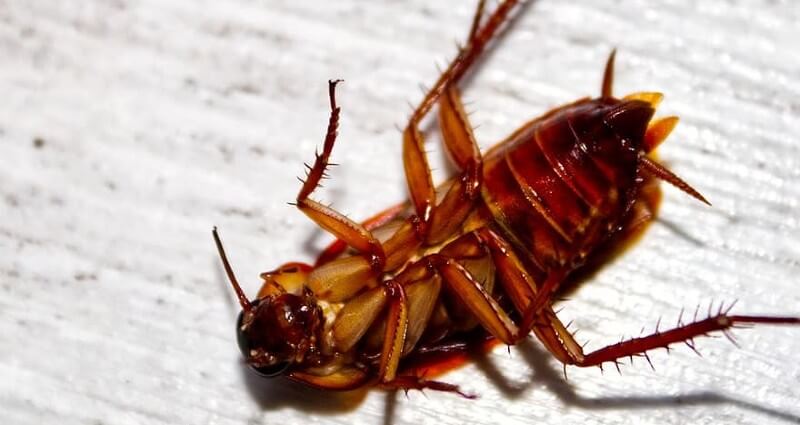
You flip on the kitchen light after a late snack run and there it is, a roach darting behind the toaster. If you want to prevent cockroaches for good in a Chicago home, condo, or apartment, the fix is not one heroic spray. It is a system: cut off food, water, shelter, and entry points so the place stops working for roaches.
Why cockroaches keep coming back in Chicago homes
Chicago homes make this harder than it should be. Older bungalows, garden units, brick two-flats, and busy apartment buildings have hidden gaps, aging plumbing, and warm shared walls that give roaches plenty of places to hide and move.
Here’s the thing: removing food, water, and shelter matters more than chasing a one-time kill. That is why a spotless kitchen can still have roaches if a pipe drips under the sink or a wall void connects your unit to the next one.
The main roach problem You’re usually dealing with
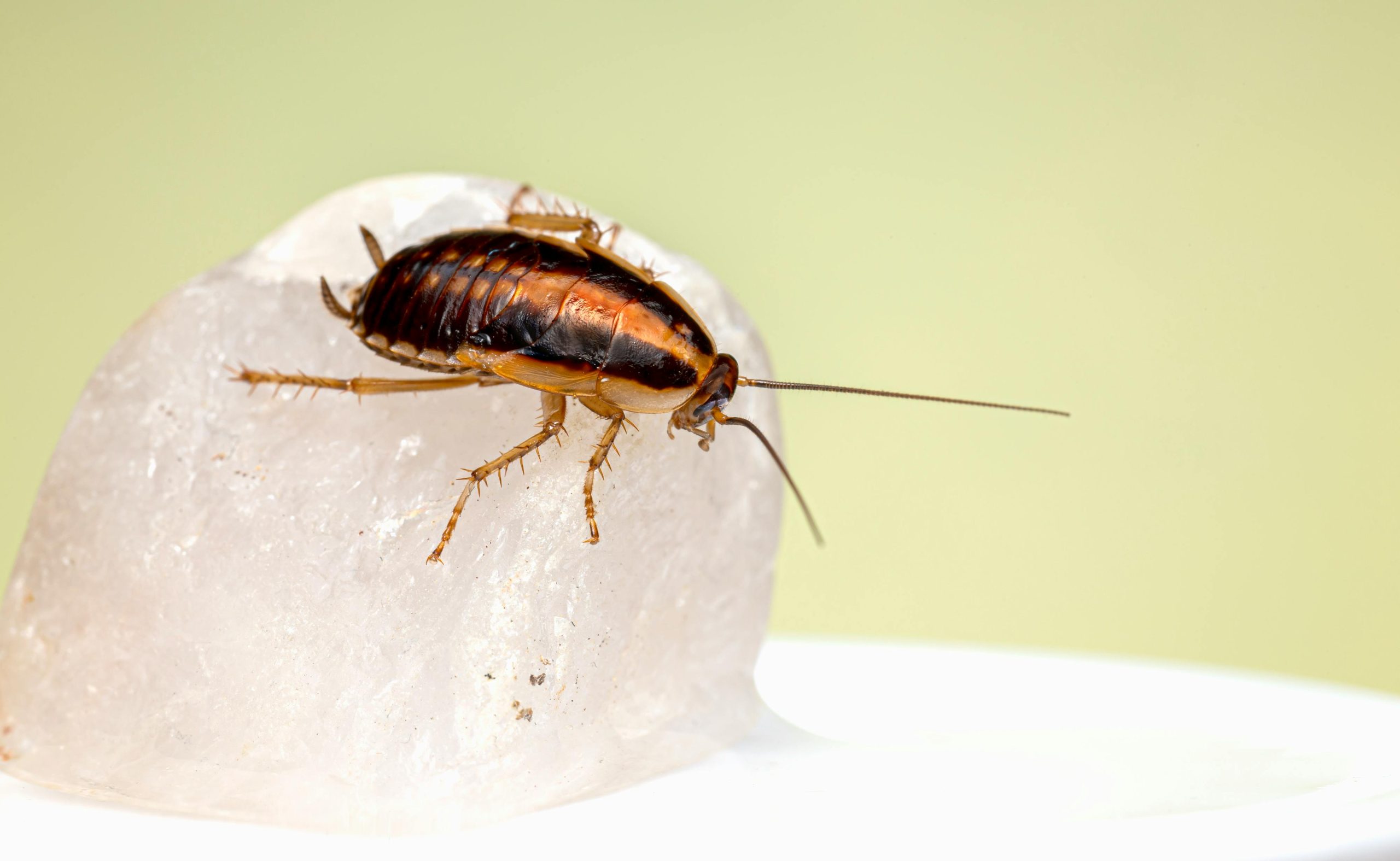
In most Chicago kitchens, the usual problem is the German cockroach. It is small, fast, bronze-tan, and usually stays close to food and water, often within about 10 feet. That matters because you can focus your inspection instead of treating the whole place like a battlefield.
Other species show up too. American cockroaches are much larger and more likely to come from basements, drains, or outdoors. Oriental cockroaches like damp areas. Brownbanded roaches prefer warmer, drier spots such as upper cabinets, electronics, and light fixtures.
Why prevention matters beyond the “gross” factor
Roaches are not just unpleasant. They contaminate food and prep surfaces, and asthma and allergy symptoms can get worse from droppings, shed skin, and body fragments.
That hits harder in homes with kids, older adults, or anybody with breathing issues. A roach problem is a home health problem, not just an annoyance.
Start with the places roaches use most
Prevention works better when you know where activity starts. Think like a roach for ten minutes: warm, dark, tight spaces near water and food.
Kitchen hotspots to check first
Start under the sink, behind the stove, under the refrigerator, around the dishwasher, inside cabinet corners, and near pet food. Pull out the bottom drawer under the oven if you have one. In a lot of Chicago kitchens, that hidden space collects grease, crumbs, and dust like a magnet.
Use a flashlight and look for pepper-like droppings, egg cases, and grease buildup. Roaches spend most of their time in cracks and hidden edges, not out in the open.
Bathrooms, basements, and laundry areas
Bathrooms attract roaches for the same reason kitchens do: moisture. Check leaky shutoff valves, condensation under sinks, damp bath mats, and floor edges near tubs and toilets.
Basements and laundry rooms are another big one, especially in older homes around places like Portage Park or Naperville subdivisions with utility rooms that stay humid. Floor drains, sump areas, and slow plumbing leaks can keep a space roach-friendly without looking obviously wet.
Signs You’re catching the problem early
Early signs are easy to miss. Look for droppings that resemble black pepper, small brown egg cases, smear marks along edges, and a musty odor in tight areas.
If you see a roach in daylight, take that seriously. Daytime sightings often mean the usual hiding spots are already crowded.
Cut off food, water, and hiding spots
Small habits matter, but consistency is the trick. One clean night does not beat a steady water source and a cabinet full of crumbs.
Fix the moisture problem first
Water is often the real deal-breaker. Roaches can go longer without food than most people expect, but reliable moisture keeps an infestation going.
Fix dripping faucets, pipe leaks, wet sink cabinets, and standing water in trays or pet bowls overnight. Dry the sink before bed if activity has been heavy. In damp basements, a dehumidifier or better ventilation can make a real difference.
Store food so roaches Can’t get easy meals
Put dry goods in sealed containers, wipe crumbs and grease, rinse recyclables, and do not leave produce or snack bags sitting out for days. Late-night takeout containers on the counter in Logan Square after a long day are basically an invitation.
Keep pet food picked up overnight when possible. Even a few stray kibbles under a bowl can keep German roaches close by.
Make trash and clutter less attractive
Use trash cans with tight lids and empty them often. Cardboard and paper bags are a sneaky problem because they give roaches cover and can hitchhike in from stores or deliveries.
Clutter near warm appliances is especially helpful to roaches. Think of it like the space where socks disappear behind the dryer, tight, dusty, and ignored for weeks at a time.
Block the ways roaches get in and spread
Cleaning helps, but the catch is that roaches also move. In Chicago housing, tiny structural gaps can act like highways.
Seal cracks, gaps, and utility openings
Caulk gaps along baseboards, around cabinet seams, and where pipes enter under sinks. In shared-wall housing, sealing pipe gaps is one of the smartest fixes because it slows movement between rooms and units.
Older buildings hide a lot of pathways behind outlet covers, under cabinets, and in wall voids. Those openings may look minor, but roaches do not need much room.
Be careful with groceries, deliveries, and used items
Roaches hitchhike. Check cardboard boxes, grocery bags, used appliances, and secondhand furniture before bringing them deep into the home.
This matters even more with small kitchen appliances. A used microwave or coffee maker can hide more than dust.
Don’t Ignore shared walls in apartments and condos
In apartments and condos, prevention is not just about your unit. Roaches can move through plumbing lines, trash areas, hallways, and wall voids.
If that sounds familiar, building coordination matters. A good plan for shared buildings beats spot treatment every time.
Use the right control tools without making the problem worse
Not every product helps. Some actually scatter roaches deeper into hiding.
Sticky traps help you monitor What’s really happening
Place sticky traps under sinks, behind toilets, behind the fridge, near the stove, and along cabinet kick plates. They show where activity is strongest and whether it is going down.
Use them as a tracking tool, not the whole solution. If trap counts stay high, the source is still active nearby.
Baits and dusts work better than random spraying
Bait is food mixed with a slow-acting insecticide that roaches carry back to hiding spots. Boric acid dust is a fine powder used lightly in cracks and voids, not dumped in piles.
Broad aerosol spraying usually underperforms because roaches stay hidden, and bug bombs are famously bad at reaching those spaces. More spray does not mean better control.
What to avoid if you want long-term results
Avoid foggers, spraying every visible surface, and stopping after one DIY attempt. Also avoid leaving crumbs and moisture behind after treatment, because that competes with bait.
One treatment almost never solves a real infestation for good. That is especially true with fast-breeding German roaches.
What changes if you live in a house, apartment, or manage property
The best prevention plan depends on the type of building.
If you own a single-family home
Check kitchens, basements, garages, and exterior wall penetrations. Outdoor trash bins, mulch against the house, and damp areas near the foundation can all support activity.
If you rent in a multi-unit building
Control what happens inside your unit, but report sightings early. Document where and when you see activity, ask whether nearby units are being treated, and push for coordinated service instead of one-off spraying.
If you manage a building
Recurring roaches need building-wide inspection, sealing, plumbing repair, sanitation standards, and follow-up. If service agreements feel vague, review what to check before signing so recurring problems do not keep cycling through the same units.
Your Chicago cockroach prevention checklist
A simple routine works better than panic cleaning once a month.
Weekly prevention habits
Wipe grease, vacuum crumbs, empty trash, check under sinks, clean pet areas, and inspect traps. Five steady minutes beats a giant weekend reset.
Monthly home maintenance tasks
Seal new gaps, pull out appliances to inspect behind them, repair leaks, reduce basement moisture, and clear clutter near utility lines. Those small maintenance jobs are what break the cycle.
Signs It’s time to stop DIY and call a professional
If you keep seeing roaches after cleanup, find egg cases, notice activity in multiple rooms, or live next to an infested unit, the problem is bigger than surface cleaning. At that point, professional help usually saves time, frustration, and repeat costs.
How professional roach prevention gets better results
A solid service visit should feel methodical, not like somebody showing up and spraying baseboards for ten minutes. Good roach control starts with inspection, species ID, targeted bait placement, crack-and-crevice treatment, moisture advice, and follow-up.
What a real prevention plan should include
Look for a provider that uses an integrated approach: inspection, monitoring, sealing guidance, sanitation recommendations, and targeted treatment where roaches actually hide. If pets or kids are part of the household, it also helps to know which safety questions to ask first.
Questions to ask before booking roach service
Ask whether follow-up visits are included, whether nearby units or common areas need treatment, what prep is required, and how kitchens and pet areas are handled. For German roaches, recurring service is usually a better sign than a one-and-done promise.
One smart step to take today
Pull out the stove tonight and check behind it. If you find crumbs, droppings, grease, or egg cases, you just found one of the most common starting points, and fixing that one spot can change the whole picture.
Frequently asked questions
How do you prevent cockroaches permanently?
You make the home harder to live in by removing food, moisture, hiding spots, and access points. Permanent prevention is really ongoing maintenance, not a one-time treatment.
Why do cockroaches keep coming back after spraying?
Sprays often miss the cracks and voids where roaches spend most of their time. If moisture, crumbs, or shared-wall movement stay in place, the infestation keeps rebuilding.
What attracts roaches most in Chicago homes?
Water is usually the biggest factor, especially under sinks, around old plumbing, and in damp basements. Food residue, grease, trash, and clutter near appliances also help.
Are cockroaches always caused by a dirty home?
No. Cleanliness helps, but infrastructure matters too. In apartments, condos, and older buildings, roaches can move through walls and plumbing even when your unit is tidy.
When should you call a professional for roaches?
Call when sightings keep happening after cleanup, when you find egg cases or droppings in multiple rooms, or when the problem seems tied to neighboring units. Fast action matters because German roaches reproduce quickly.