
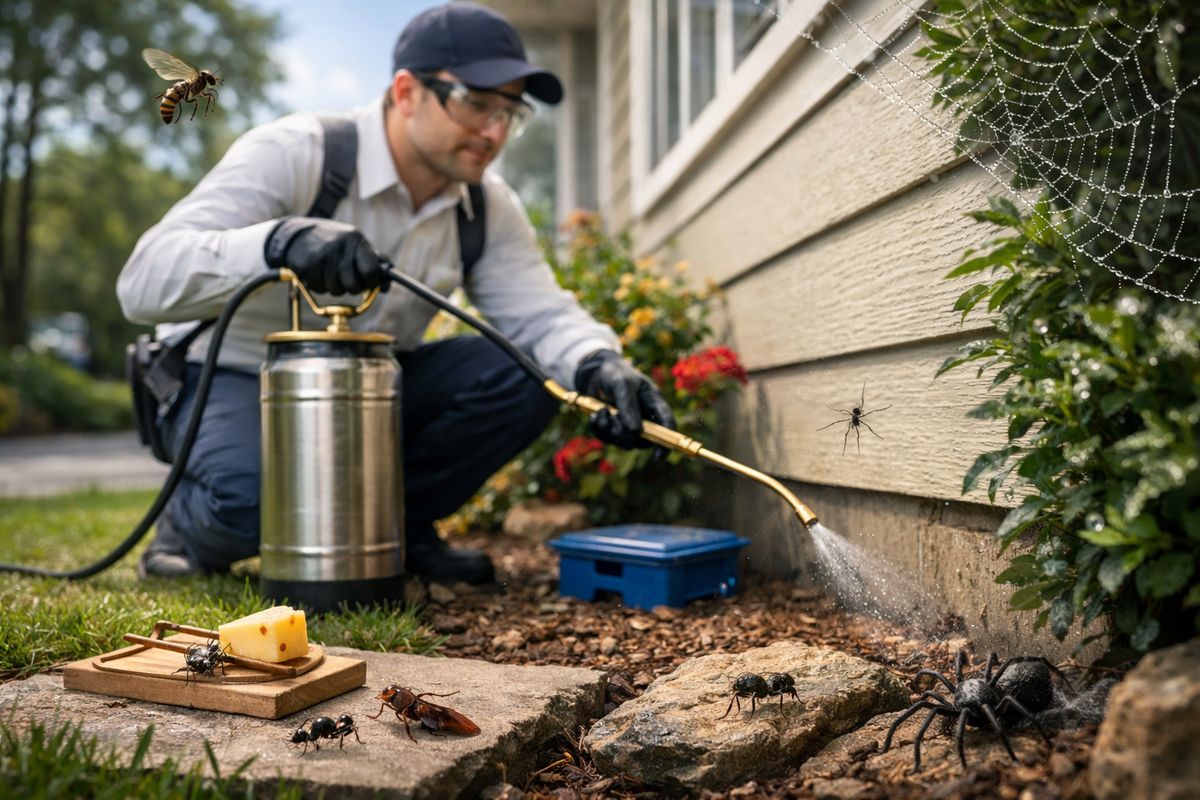
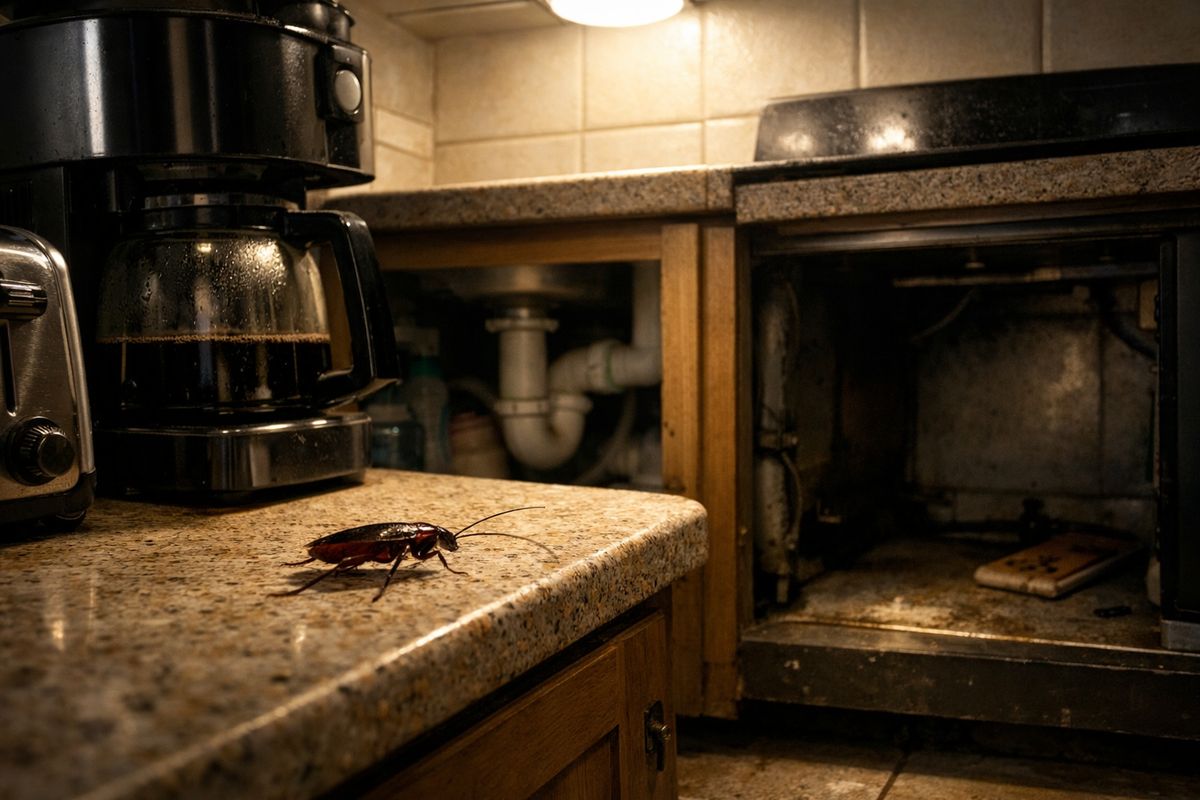
Preventive pest control starts making sense the moment you flip on the kitchen light at 11 p.m. and see a roach sprint behind the coffee maker. If that scene feels familiar, here’s the big takeaway: monthly service works better than one-and-done treatment because it catches activity early, follows the roach life cycle, and keeps pressure on the problem before it spreads through walls, pipes, and neighboring spaces.
Why Preventive Pest Control Beats Waiting Until You See Roaches
Waiting until you spot a roach usually means you are already behind. Roaches are built for staying hidden, feeding on almost nothing, and multiplying out of sight. By the time one shows up on the counter, the real action is often happening under the sink, behind the stove, inside wall voids, or near plumbing lines.
Preventive pest control means treating the problem like maintenance, not a fire drill. Instead of reacting to every sighting, you stay ahead of the pattern.
The real problem with “just one treatment”
A single visit can knock down visible activity, but that does not mean the infestation is gone. Egg cases hatch later. Hidden pockets stay active. Roaches in nearby units or shared chases can move right back in a week or two after things seem quiet.
That stop-start cycle is exactly why roaches return after treatment so often. The trick is follow-up. Without it, you are often hitting only the wave you can see, not the one coming next.
Why this matters more in Chicago apartments, condos, and dense suburbs
In Chicago neighborhoods, plus places like Naperville and Schaumburg, pest pressure gets help from the building itself. Shared walls, stacked kitchens, basement storage, trash rooms, and restaurant corridors all give roaches easy ways to travel. Add winter cold and summer humidity, and pests keep getting pushed toward stable indoor shelter.
Dense housing changes the math. Your clean kitchen can still be connected to a messy utility room, a damp basement, or an untreated unit next door.
What Preventive Pest Control Actually Means
Preventive pest control is an ongoing system for stopping pest activity before it becomes a larger infestation. In plain English, that means regular inspection, monitoring, targeted treatment, follow-up, and a few practical fixes that make your space harder for roaches to use.
It does not mean endless spraying. In fact, the industry has been moving toward inspection and targeted treatment instead of broad, repetitive applications.
Monthly service vs. reactive service
Reactive service starts when you panic and call after seeing bugs. Monthly service starts earlier and builds a timeline. That timeline matters because patterns show up fast: where activity keeps appearing, how bait is performing, which units are triggering repeat issues, and whether moisture or sanitation is driving the problem.
A recurring plan turns random sightings into usable information. That is a much better position than starting from zero every time.
What integrated pest management looks like in plain English
Integrated pest management, or IPM, sounds technical, but it is pretty simple. Check where pests are active. Reduce food, water, and shelter. Seal gaps. Use baits, traps, or crack-and-crevice treatment where it counts. Come back and adjust.
That is why monthly prevention usually feels calmer than emergency treatment. It is measured, specific, and based on what is actually happening in your home or building.
Why Monthly Service Works So Well for Roaches
Roaches do not stay on your schedule, so your service plan has to. Monthly treatment lines up well with how roaches breed, hide, and reappear. It gives enough time for products and monitors to work, but not so much time that a small problem gets comfortable again.
This is the strongest argument for preventive pest control: consistency beats intensity.
Roaches hide well, breed fast, and come back in waves
Roaches love tight, dark, humid spaces. Think appliance motors, pipe gaps, cabinet hinges, and the void behind a dishwasher. A few can become many fast, especially German roaches, which are common in apartments and multi-unit buildings.
And because movement through utility lines and shared walls is so common, you are not just dealing with one room. Sometimes you are dealing with a network.
Monthly visits catch new activity before it turns into a bigger job
A monthly check can spot droppings, egg cases, shed skins, musty odor, moisture under a sink, or a trap that suddenly shows more activity than last month. That early catch matters. It is like fixing a slow leak before the ceiling stains.
In larger properties, predictive scheduling and targeted baiting have been tied to fewer repeat treatments. The same logic works in homes and apartments: find the change early, adjust early, avoid the bigger cleanup later.
Ongoing service usually means less product, not more
This surprises a lot of people. Monthly prevention often reduces product use because the job gets more precise over time. Instead of soaking baseboards and hoping for the best, service focuses on monitors, bait placements, cracks, voids, and entry points.
Research on smart monitoring points to lower chemical use when pest control becomes more targeted and data-driven. That shift is good for control and good for peace of mind.
What a Monthly Pest Control Visit Usually Includes
A monthly visit should feel practical, not mysterious. You should know what is being checked, what is being treated, and what changed since the last service.
Inspection and monitoring
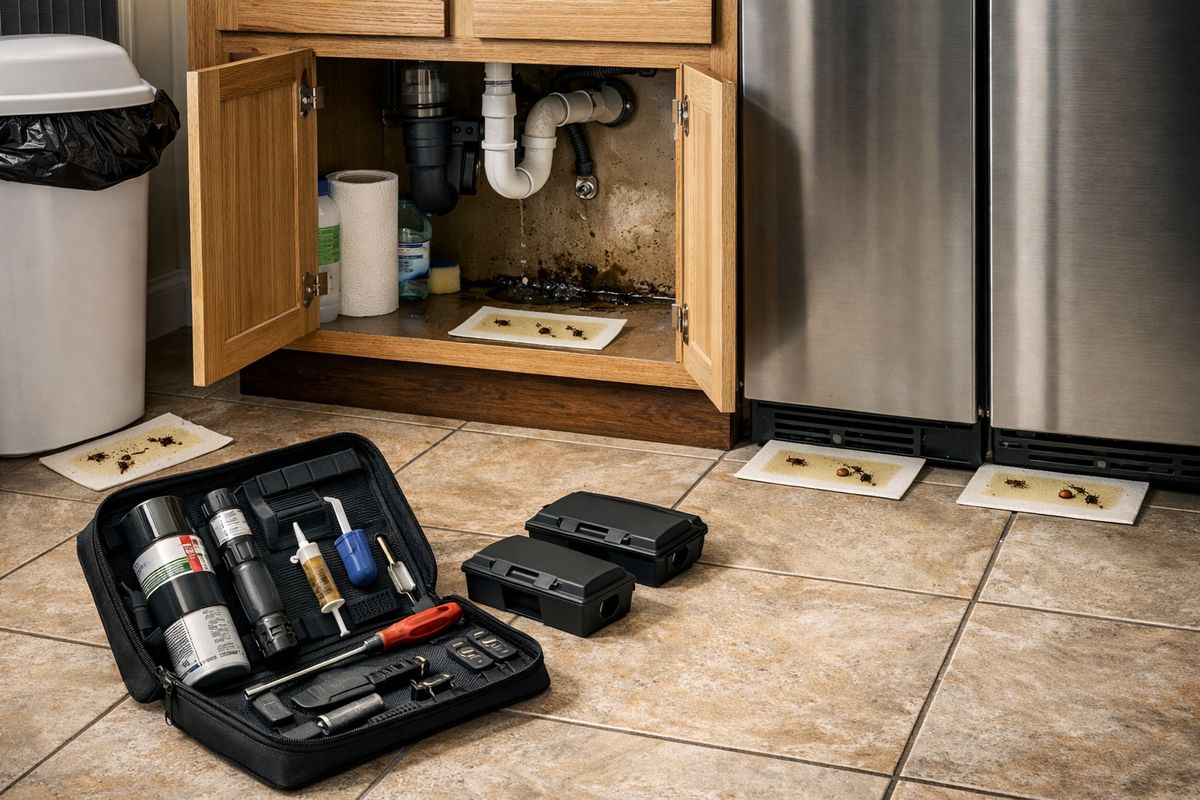
Most visits start with the spots roaches like most: kitchens, bathrooms, laundry areas, utility closets, baseboards, trash zones, appliance gaps, and plumbing entries. Sticky monitors or traps help show where activity is building, even when you are not seeing live bugs.
If you manage units or short-term lodging, learning the signs properties miss most often helps you catch trouble before complaints pile up.
Targeted treatment in the right places
Roach control usually relies on baits, dusts in wall voids, crack-and-crevice applications, and careful treatment around likely harborages. The goal is precision. Not fogging the whole place. Not turning your home into a chemistry project.
Outside checks can matter too, especially around doors, utility penetrations, dumpsters, and foundation gaps.
Recommendations you can actually act on
Good service includes simple fixes you can knock out without turning your life upside down. Fix the drip under the sink. Swap cardboard for sealed bins. Clean the grease strip beside the stove. Seal pipe gaps. Tighten trash routines.
Small changes matter because roaches need very little. A few crumbs and a damp cabinet can keep the problem going.
The Biggest Benefits of Staying on a Monthly Schedule
The day-to-day benefit is simple: fewer surprises. You stop living in that cycle of sighting, stress, scramble, and repeat.
Fewer flare-ups and fewer emergency calls
Monthly service keeps little problems little. Instead of waiting for a breakout and paying for urgency, you keep pressure on the conditions that let roaches rebound in the first place. Honestly, that alone is worth a lot if you are tired of late-night kitchen surprises.
Better protection for multi-unit buildings and rental properties
For landlords and property managers, recurring service protects more than one apartment. It helps with turnovers, common areas, trash rooms, and shared-risk spaces. It also creates a service record, which matters when communication gets messy or complaints move fast.
If you oversee hospitality or mixed-use property, it helps to understand what a strong service agreement should spell out before recurring visits begin.
A cleaner long-term approach
The longer a preventive plan runs, the smarter it gets. Trend tracking, targeted follow-up, and fewer emergency treatments usually lead to cleaner control over time. That matches the broader shift toward preventive service plans across urban properties.
What You Can Do Between Visits to Help the Plan Work
You do not need to do everything. But a few habits make monthly service work much better.
Cut off food, water, and hiding spots
Clean crumbs and grease. Do not leave pet food out overnight. Empty trash regularly and keep it sealed. Dry out damp areas, especially under sinks and around refrigerators. Sealing cracks and pipe gaps also helps cut off easy access.
Cardboard clutter is another favorite hiding spot, especially in basements, closets, and storage corners.
Don’t accidentally work against the treatment
Over-the-counter sprays often make things worse. Some scatter roaches deeper into walls. Others contaminate bait placements and make professional treatment less effective.
Here’s the thing: more product does not mean more control. Consistency wins.
Keep an eye on the small signs
Watch for droppings that look like pepper, egg cases, shed skins, a stale musty smell, or activity near sinks and appliances. Report changes quickly so service can be adjusted before the issue grows.
How to Tell if Monthly Preventive Service Is Right for Your Place
Monthly service is not overkill when the environment keeps inviting pests back in. In a lot of Chicago-area housing, that is exactly the situation.
Good fit for older homes, apartments, and buildings with shared walls
Older buildings have more cracks, more pipe chases, and more hidden voids. Shared walls make migration easier. That is where prevention really earns its keep.
Especially useful after a recent infestation or repeated sightings
If you just had treatment, moved into a unit with a bad history, manage regular turnover, or keep seeing roaches every few weeks, monthly service is the smart next step. It helps stop rebound before it feels normal again.
Questions to ask before starting service
Ask what pests are covered, how often follow-ups happen, what prep is required, and how communication works for renters or multi-unit properties. You should also know who to call if activity spikes between visits. If you are comparing companies, a guide on choosing a solid local team can help you spot the difference between real follow-through and a quick spray-and-go.
What to Try First if You Want Fewer Roaches This Month
Start under the kitchen sink. Check for moisture, clutter, old cardboard, and gaps around pipes. That one spot causes more trouble than most people realize.
Then stick with the bigger rule: quick fixes help, but steady monthly prevention is what keeps one roach at 11 p.m. from turning into a full building problem.
Frequently Asked Questions
How long does preventive pest control take to work for roaches?
You can often see reduced activity within days, but lasting control usually takes follow-up. Roaches hatch in cycles and hide well, so monthly service gives treatment time to work and catches the next wave early.
Is monthly pest control too often for a home or apartment?
Not when roach pressure is persistent, especially in multi-unit housing, older buildings, or places with repeat sightings. Monthly service is common when pests move through shared walls, plumbing, or nearby units.
Does preventive pest control mean more chemicals in your home?
Usually the opposite. Ongoing service tends to use more precise treatment, such as baits, monitors, and small crack-and-crevice applications, instead of broad spraying after a major outbreak.
Can you do anything if your neighbor has roaches?
Yes, but solo cleanup is rarely enough. Sealing gaps, reducing moisture, and keeping up with monitoring help, but shared-building roach problems usually need coordinated professional service to stay under control.
What should you avoid between monthly treatments?
Avoid store-bought sprays unless you are told otherwise. Sprays can scatter roaches or ruin bait performance. Report new sightings, keep sanitation steady, and let the treatment plan do its job.