
Roach treatment safe for pets is a real concern, not an overreaction. If you’ve got a dog that licks the floor, a cat that rubs against baseboards, or both, you need more than a vague “it’s pet-friendly” promise. The good news is that roach treatment can be safe for pets, but only when the product, placement, and follow-up are handled carefully.
Is Roach Treatment Safe for Pets? The Short Answer
Yes, roach treatment can be safe for pets.
But here’s the thing: “safe” depends on what’s being used, where it’s being applied, and whether your pets can get near it. A targeted plan using hidden gel baits, insect growth regulators, monitoring, and cleanup is very different from fogging an apartment or soaking baseboards with spray.
That distinction matters a lot in Chicago homes, where roaches are common and pets spend time exactly where pesticide residue tends to land, on floors, under sinks, near radiators, and along kitchen edges. If you choose the right method and follow reentry instructions, you can treat roaches without putting your dog or cat in unnecessary danger. If you choose the wrong method, especially sloppy DIY methods, the risk goes up fast.
This guide breaks down what’s usually safer, what needs more caution, and how to protect pets before, during, and after treatment. If you’re already comparing service options, Midwest Pest Solutions offers roach control information specific to local homes and apartment buildings.
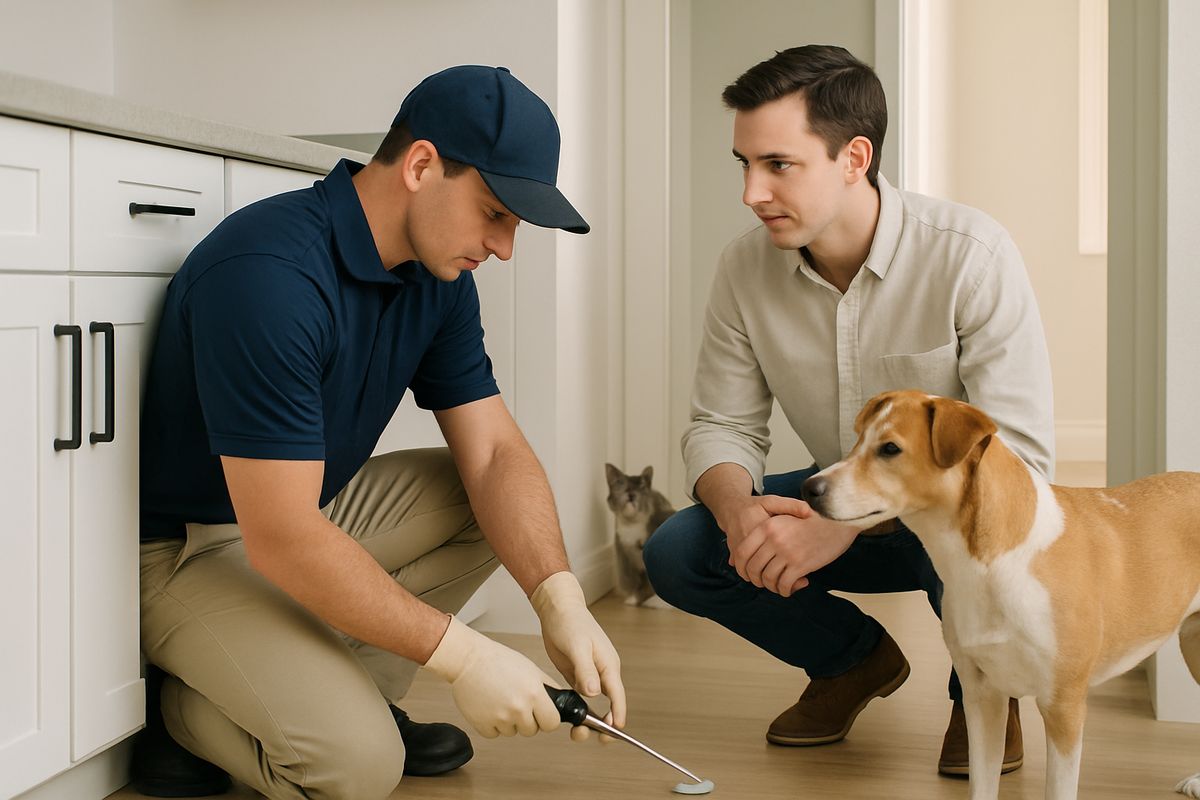
Why Chicago Homes and Apartments Deal With Roaches So Often
Chicago gives roaches plenty of chances to settle in. Dense housing, shared walls, old plumbing, restaurant corridors, humid basements, and trash rooms all create easy pathways and steady food and water sources.
In multi-unit buildings, one clean apartment can still have a roach problem because the unit next door doesn’t. Roaches move through wall voids, pipe openings, utility lines, and hallway gaps. That’s why they show up in condos, courtyard buildings, garden units, and high-rises, not just neglected spaces.
The local context matters even more because Chicago is ranked the most cockroach-infested city in the U.S.. So if you’re in Lakeview, Albany Park, Pilsen, Naperville, or Schaumburg and dealing with them, you’re not some weird outlier. You’re dealing with a very common urban pest problem.
Seasonal changes don’t help. Hot summers, damp utility spaces, and cold weather that pushes pests indoors all contribute. Roaches also thrive around kitchens, laundry rooms, boiler areas, and drain systems, which is why apartment buildings and older homes tend to see repeat activity.
Common roach species around Chicago
German cockroaches are the big one. They’re small, tan to light brown, fast-breeding, and usually found in kitchens and bathrooms. These are the roaches most likely to explode into a full indoor infestation. If you want a closer look at how to spot them, this guide on the small kitchen roaches most Chicago residents deal with helps.
American cockroaches are much larger and often show up in basements, boiler rooms, drains, or commercial-adjacent areas. People call them “water bugs” all the time, though that nickname causes plenty of confusion.
Oriental roaches prefer damp, cool places such as crawl spaces, floor drains, and lower-level utility areas. They’re less tied to kitchen cabinets than German roaches, so the treatment plan often shifts toward moisture control and entry-point sealing.
Different species hide differently, breed differently, and respond a little differently to treatment. That’s one reason random store-bought spraying often falls short.
What “Pet-Safe” Really Means in Pest Control
“Pet-safe” doesn’t mean a product is harmless in every situation. It usually means the method has a lower risk profile when used correctly and when pets are prevented from contacting it.
That’s a much more honest definition.
No pesticide is totally risk-free. Even modern formulations that are often considered safe for non-target species can still have harmful long-term effects if exposure is repeated or poorly controlled. So the real goal is reducing exposure as much as possible.
In practical terms, a pet-conscious treatment plan limits where product goes, how much is used, and how likely a dog or cat is to touch, inhale, or swallow it. The best plans also use nonchemical steps so less pesticide is needed over time. That approach is often called integrated pest management, or IPM, which basically means solving the problem from several angles instead of just spraying and hoping.
Safe does not mean harmless
A lot of people assume that if a product is sold in a hardware store, it must be fine around pets. Not true.
The label matters. Placement matters. Dose matters. Access matters.
The EPA says consumers should use EPA-registered pesticide products safely, and its pet guidance is even more direct: read the label first to protect your pets. A legal product can still be a bad fit for your home if it’s overapplied, used in the wrong place, or left where a pet can reach it.
That’s why “pet-safe spray” on a package is not enough. You need to know where that residue ends up.
Why cats often need extra caution
Cats are usually more sensitive than dogs to certain pesticide exposures, especially pyrethroids. Part of the problem is behavior. Cats groom constantly, so if they walk across residue or brush against a treated surface, they may ingest it later.
That isn’t a small concern. Pet safety guidance notes that cats can be more sensitive to chemicals than dogs, and grooming increases the chance they’ll ingest residues from treated surfaces. Some pest toxicology sources are even stronger, warning that pyrethroid residues can trigger severe neurological toxicity in cats when exposure is high enough.
So if you have cats, especially indoor cats who spend time under sinks, behind toilets, near radiators, or on kitchen floors, method choice matters even more.
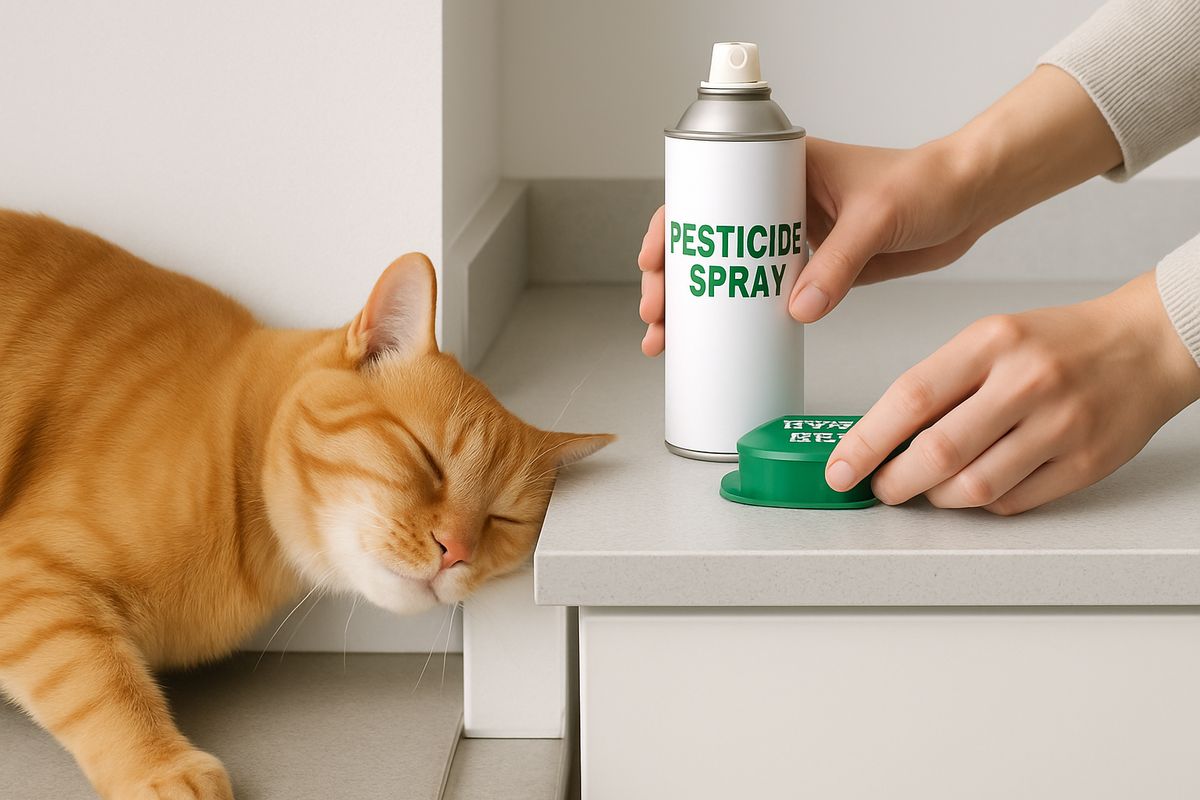
The Biggest Pet Risks During Roach Treatment
Most pets are not harmed because a home was treated. They’re harmed because they contacted residue, chewed a bait, inhaled dust, or came back too early.
That’s an important shift in thinking.
The biggest risk usually isn’t a hidden dab of gel bait inside a wall void. It’s broad, accessible product use. Broadcast applications like foggers and heavy dusts create the greatest pet safety risk because they can coat floors, baseboards, and bedding with active pesticide residue.
Residue on floors, paws, and fur
Dogs and cats live closer to treated surfaces than people do. They walk on floors, lie against baseboards, squeeze behind toilets, and nap under kitchen tables. If treatment leaves residue on exposed surfaces, pets are likely to find it before you do.
Kitchens, bathrooms, laundry rooms, and utility closets are common contact zones. A dog may pick up residue on paw pads and lick it off later. A cat may brush its side against a treated area and groom afterward. So even “light spraying” can become a bigger issue than many families expect.
Eating bait, dust, or dead roaches
Secondary exposure is another problem. Curious dogs may chew bait stations. Cats may bat at glue traps or investigate dead roaches. Loose powders can cling to paws and whiskers.
Even roach carcasses matter. If a treatment leaves dying insects out in the open, pets may mouth or eat them. That doesn’t always cause a crisis, but it’s not something you want happening, especially with repeated exposure.
Poor DIY application
Honestly, this is where a lot of the trouble starts. Too much spray. Two products mixed together. Boric acid puffed into open corners. A fogger used because it “feels stronger.” None of that makes a plan better.
A lot of households try to handle pests on their own, with 74% of U.S. homeowners and 69% of renters doing some form of DIY pest control. But the same industry research warns that DIY pest products can have harmful health effects if they’re applied incorrectly.
That’s why the method matters more than the marketing. If you’ve been through the cycle of spraying, seeing fewer roaches for a week, then seeing them again, this breakdown of why repeat infestations happen after home treatments explains the pattern.
Which Roach Treatments Are Usually Safer for Pets
The safer options tend to share one trait: they target roaches without coating the whole room.
That means less residue, less contact, and less guessing.
Gel baits in cracks and hidden areas
Gel baits are often the first choice in pet-conscious roach control because they can be placed in tiny amounts exactly where roaches travel, such as inside cabinet hinges, behind appliances, under sinks, or in wall gaps.
That hidden placement is the point. Roach gel baits are commonly recommended in inaccessible locations like upper cabinet hinges, behind refrigerator compressors, and under sinks so pets cannot reach them. When used correctly, they reduce open-surface exposure.
They also work better than many people expect. Cost research notes that bait gels are more efficient for nest-level control because roaches carry the toxicant back and spread it. And according to ASPCA poison control commentary, most roach baits present no significant risk to pets because they contain only a few grams of pesticide, though they still need to stay out of reach.
Insect growth regulators (IGRs)
IGRs are products that interfere with the roach life cycle. Instead of killing instantly, they stop immature roaches from developing normally and reduce reproduction.
That sounds technical, but the idea is simple: fewer future roaches.
They’re often part of lower-exposure treatment plans because IGRs such as hydroprene, pyriproxyfen, and methoprene are considered among the safest pesticide classes for pet households, with virtually no biological effect on mammals. They’re not usually a stand-alone fix, but they’re extremely useful in a smart combination plan.
Monitors, glue traps, and HEPA vacuuming
Non-spray methods deserve more credit than they get. Glue traps help confirm where roaches are active. Monitors show whether treatment is working. HEPA vacuuming removes live insects, droppings, shed skins, and egg cases without adding chemical residue.
That matters because roach control is not just about killing what you can see. It’s about reducing allergens and contamination too. Research from NC State found that professional extermination sharply reduced cockroach allergens and endotoxin levels in infested apartments, especially when the infestation was truly eliminated rather than just knocked down a bit.
Glue traps still need care, of course. Put them where pets can’t reach them, not in the middle of the pantry floor where your cat will decide it’s a toy.
Exclusion and sanitation
Sealing gaps, fixing leaks, decluttering, and cleaning up food residue make treatment safer because less pesticide is needed in the first place.
That’s not glamorous advice, but it works. Roaches need food, water, and cover. Remove those and the chemical side of the job gets smaller. Drains, pipe penetrations, greasy cabinet seams, pet food left out overnight, and wet areas under sinks are all common trouble spots. Dr. Jeff Nichol also notes that roaches multiply faster when human and pet food is left out, which is a frustrating detail but a useful one.
If you want more on keeping activity from returning, what actually helps after the first treatment is often pretty simple.
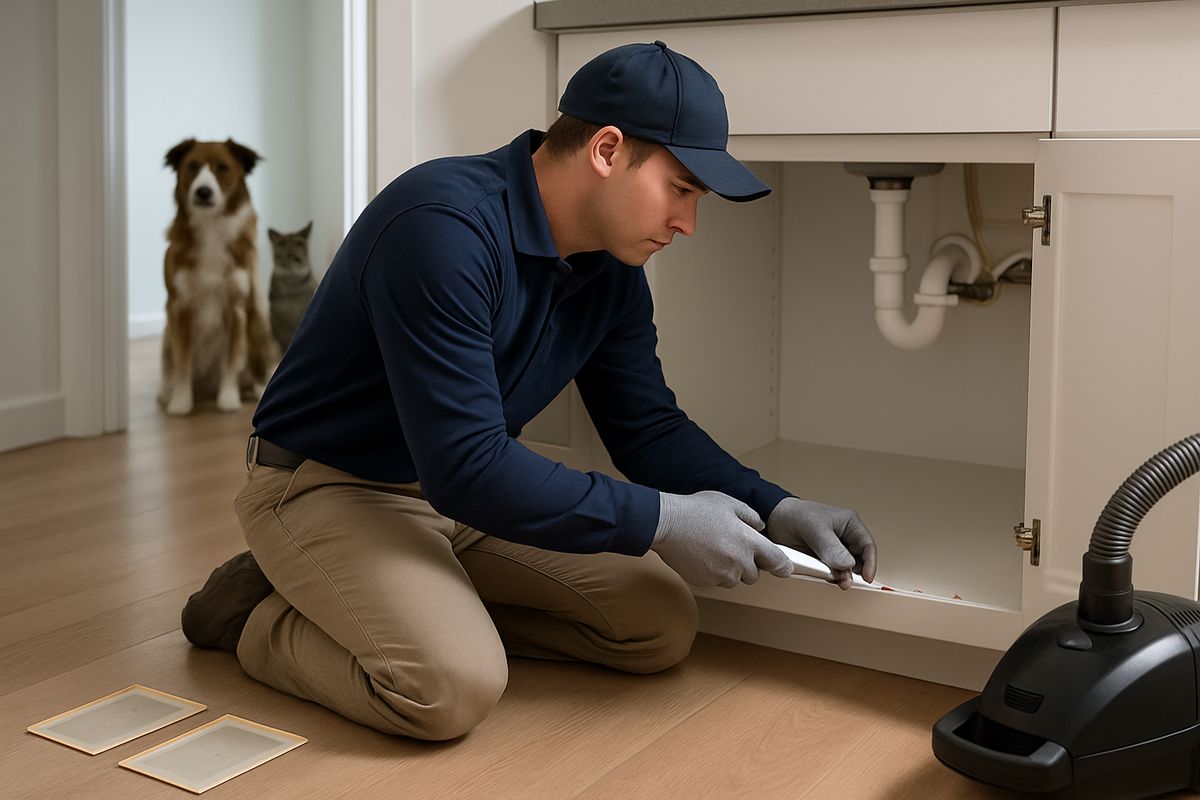
Which Roach Treatments Need More Caution Around Pets
Some methods are legal, common, and still a poor fit for pet households.
That’s not alarmism. It’s just being honest.
Broadcast sprays and baseboard overuse
Wide-area spraying creates more residue on surfaces pets touch. Floors, baseboards, appliance edges, laundry corners, and entryways all become contact zones.
Even when a product is labeled correctly, unnecessary overapplication increases exposure. And broad surface treatment often misses the deeper source of the infestation anyway. Roaches hide in voids, seams, compressors, and plumbing penetrations, not just out in the open.
Foggers and bug bombs
Bug bombs are one of the worst choices for roaches in homes with pets. They spread pesticide broadly, often without reaching the hiding places where roaches actually live.
The catch is that they do a great job coating everything else.
Toxicology and pest control sources consistently warn against them. One source describes total-release foggers as both the most dangerous and least effective roach-control method, especially for cats, because residue can settle on floors, counters, bedding, toys, and pet areas.
Dusts used the wrong way
Dusts like boric acid, diatomaceous earth, and silica can be useful when a professional applies a very light amount inside inaccessible voids. Used correctly, they can stay active a long time.
Used badly, they’re a mess.
Loose visible dust in open areas is not better just because it’s cheap. Research aimed at pet households warns that boric acid and diatomaceous earth dusts can create respiratory and digestive risks for pets if inhaled or ingested. And cat-focused guidance adds that powdered boric acid can be dangerous for cats, especially in concentrated form that gets on fur and is groomed off.
Fumigation and severe whole-structure treatment
This is uncommon for the average Chicago roach issue, especially in apartments or single-family homes with standard infestations. But in severe cases, whole-structure treatment may come up.
If that ever happens, pets must be completely removed and every reentry instruction followed exactly. These are not treatments where you “wait a few hours and see.” Severe urban infestations can also get expensive fast, with fumigation often costing $1,000 to $3,000 and tenting averaging around $5,000 in the worst cases.
Professional Treatment vs DIY: What’s Safer for Pet Owners?
For moderate or heavy infestations, professional treatment is usually safer.
Not because pros use magic. Because they tend to use less product, place it more precisely, and build a plan around actual roach behavior instead of visible panic spots. Industry data also notes that trained pest-control specialists are more likely to address the true causes of an infestation, not just the symptoms.
That’s especially valuable when pets are in the home. A careful technician can choose hidden bait placements, use IGRs, avoid accessible residue, and give you clear reentry instructions. A frustrated homeowner with three products from a big-box store often does the opposite.
When DIY may be reasonable
DIY can be reasonable if activity is very light and you can use low-exposure products correctly. Think enclosed bait stations, a few monitors, and careful sanitation in a small apartment where sightings are rare and recent.
But even then, the label is not optional. The EPA advises people to search for EPA-registered products and use them safely. If your dog can chew it, your cat can reach it, or you’re tempted to “double up,” stop there.
When to call a pro right away
Call a pro if you’re seeing roaches during the day, finding them in multiple rooms, dealing with a shared-wall building, or getting repeat activity after your own treatment.
You should also skip DIY if you have vulnerable pets, such as cats, birds, reptiles, seniors, pets with breathing issues, or animals that compulsively lick floors and paws. Apartment situations are especially tricky because the source may not be your unit at all. If that sounds familiar, shared-wall infestations need a different approach than a stand-alone house.
For local service planning, Midwest Pest Solutions outlines professional roach control options for Chicago-area homes and rentals.
How to Prepare Your Home Before Roach Treatment if You Have Pets
Good prep makes treatment safer and more effective. It also keeps the visit from turning into chaos, which, honestly, is half the battle when you have a nervous dog or a cat that hates closed doors.
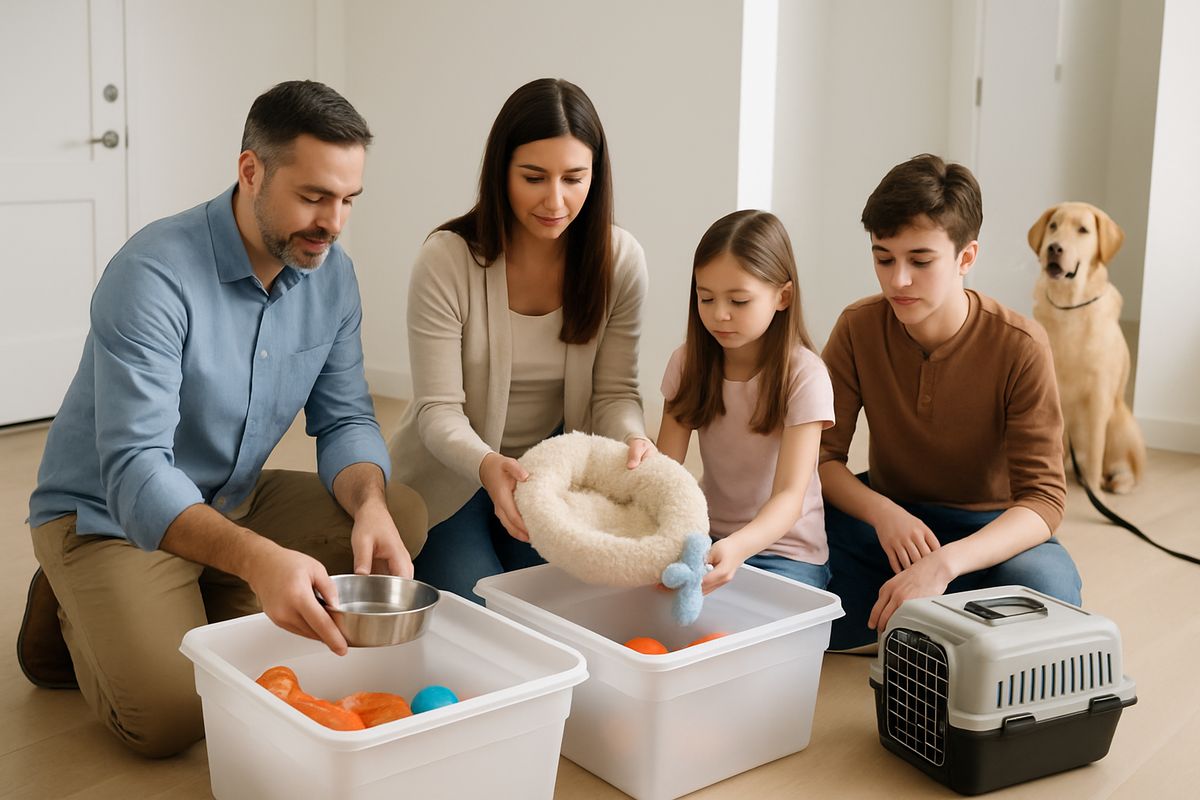
Pet prep checklist for treatment day
Use this checklist before the technician arrives:
- Remove pets from treatment zones
- Pick up food and water bowls
- Store pet toys and bedding
- Cover or move aquariums
- Tell the technician every pet species in the home
- Mention cats, birds, reptiles, and small mammals specifically
- Ask where products will be placed
- Confirm when pets can safely return
Those steps line up with common professional guidance. Pet safety recommendations include removing pets during treatment when possible, bringing them back only after the area is safe, and removing or covering bowls, bedding, and toys.
Questions to ask your exterminator before treatment
Ask direct questions. Good companies won’t dodge them.
What products are you using? Are they EPA-registered? Where exactly will they be placed? How long should pets stay out? Do you have special instructions for cats, birds, or reptiles? Will you be using bait, IGRs, dust, or spray? What should I clean, and what should I leave alone afterward?
If a company gets vague or just says “don’t worry, it’s all safe,” that’s not reassuring. It’s a red flag. A careful provider should be able to explain the plan clearly. If you want a stronger screening list, these questions help sort careful pest companies from careless ones.
What to Do After Treatment Before Pets Come Back In
After treatment, don’t guess. Follow the instructions for the exact products used.
That sounds obvious, but a lot of post-treatment mistakes happen because people rush to bring pets back in or start wiping everything down.
How long pets should stay out
The general rule is simple: pets should stay out until treated surfaces are fully dry or until the technician says reentry is safe.
That may mean a short disruption if the treatment relied mostly on hidden bait placements. It may mean longer if exposed areas were sprayed. Guidance for dogs says they should stay away from treated areas until the product is fully dry or the area has been cleared as safe by the pest professional. The same cautious approach applies to cats, with extra care.
Cleaning without ruining the treatment
Clean what the technician tells you to clean, and leave hidden treatment zones alone.
You’ll usually want to wash pet bowls, wipe food-prep surfaces if instructed, and keep floors free of crumbs and grease. But scrubbing bait placements, flushing treatment out of cracks, or mopping every baseboard immediately can wreck the plan.
If you’re not sure what to do once the service is done, what matters in the first few days after a roach visit can help you avoid the usual mistakes.
Ventilation and monitoring
If advised, open windows and run fans to improve ventilation. Then keep an eye on your pets for the first day or two.
That’s standard guidance for a reason. Pet safety recommendations include ventilating the home after treatment and monitoring animals for unusual behavior or signs of illness. Most pets will be fine, but it’s smart to pay attention.
Signs Your Pet May Have Been Exposed to Roach Pesticide
Most exposures are mild, but some are urgent. The goal is to respond quickly, not panic.
Mild symptoms
Possible early signs include drooling, vomiting, pawing at the mouth, mild lethargy, coughing, or skin irritation. A pet that suddenly seems “off” after treatment deserves attention, especially if there’s any chance it touched residue or chewed a product.
Even mild symptoms are worth a call to your vet if pesticide exposure is possible. Don’t wait for things to get dramatic.
Emergency warning signs
Tremors, trouble breathing, severe weakness, collapse, or seizures are emergencies.
These signs can happen with certain insecticide exposures. Toxicology research notes that some household pesticides can cause breathing difficulty, muscle weakness, seizures, and even coma with acute toxic exposure. Cat-specific pyrethroid exposure can also be especially serious.
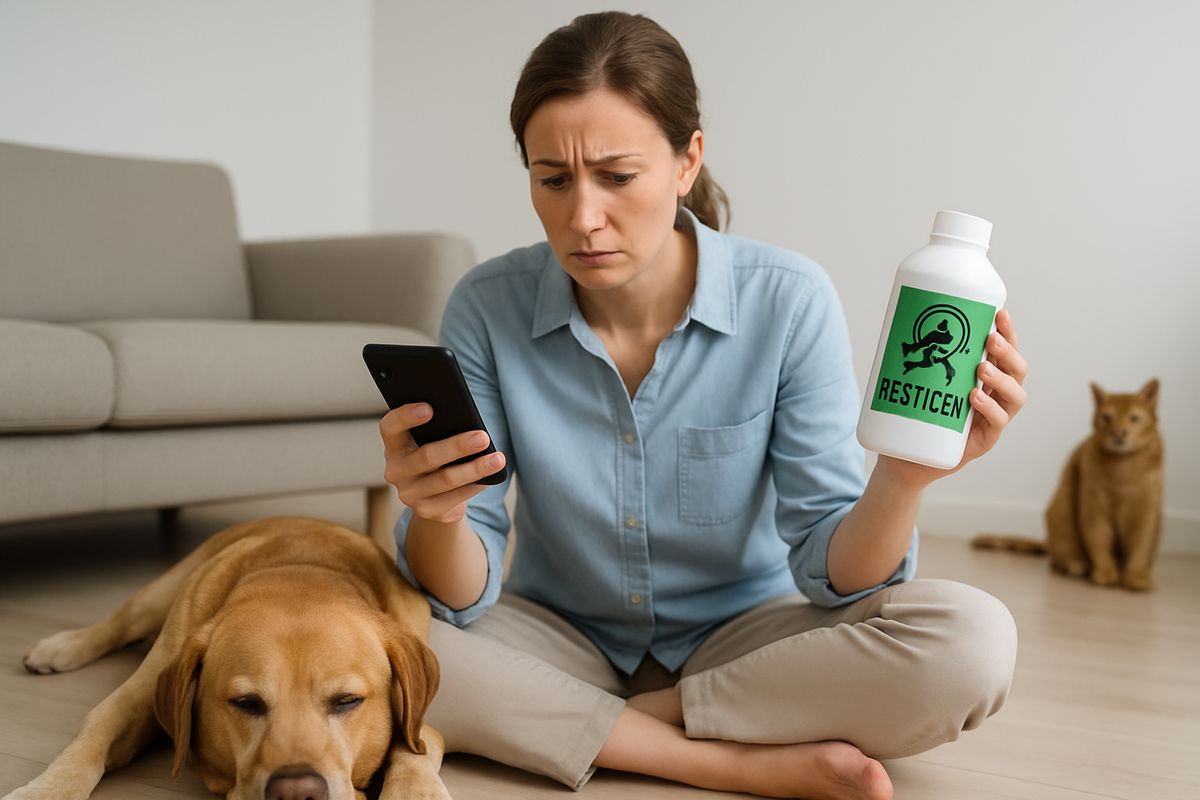
What to do immediately
Remove your pet from the area first. If there’s visible residue on fur or paws, rinse only as directed by a veterinarian or poison specialist. Save the product label, service invoice, or any package involved.
Then call for help right away. Exposure guidance recommends saving the exact product label and calling ASPCA Animal Poison Control at (888) 426-4435 or Pet Poison Helpline at (855) 764-7661 before heading to an emergency clinic when needed. The EPA also says consumers with pesticide safety questions can contact the National Pesticide Information Center at 1-800-858-7378.
Pet-Safe Roach Prevention Tips That Reduce Chemical Use
The safest pesticide is often the one you don’t have to apply again.
Prevention lowers the need for repeat treatments and helps make any professional plan work better.
Cut off food and water sources
Roaches need crumbs, grease, moisture, and easy access. That means pet food left out overnight, spills under appliances, leaking pipes, wet sink cabinets, and damp basement corners all make the problem worse.
Kitchens deserve extra attention. In one apartment study, kitchens had more endotoxin contamination than bedrooms because they provided more food for cockroaches. So wipe up grease, store dry goods in sealed containers, empty pet bowls at night, and fix leaks quickly.
Reduce hiding spots
Clutter gives roaches cover and makes treatment harder. Cardboard, paper bags, packed cabinets, and crowded utility shelves are classic hiding zones.
This is especially true in small apartments, condos, and garden units where storage tends to pile up near kitchens and baths. Less clutter means fewer protected harborages and easier inspection.
Seal entry points and problem areas
Caulk around pipe penetrations. Seal wall gaps under sinks. Repair door sweeps. Screen vents when appropriate. In multi-unit buildings, document recurring gaps and involve the landlord or property manager.
That’s how you stop new roaches from replacing the old ones. For more locally relevant options, Midwest Pest Solutions covers roach control strategies that combine treatment with prevention.
Roach Treatment for Renters, Landlords, and Property Managers
Roaches in Chicago buildings are often a shared problem, even when the complaint starts in one unit.
If you rent an apartment or condo
Tell the landlord or property manager early. If you wait until the issue is severe, treatment usually gets harder and more disruptive.
Document sightings, where they happen, and any pet concerns before service starts. Ask whether adjacent units are also being inspected. In many apartment infestations, treating one unit alone is like mopping one tile in a leaking bathroom. It’s not enough.
If you manage a multi-unit property
Coordinate treatment across connected units when needed. Give clear tenant instructions before and after service, including pet-specific directions for dogs, cats, birds, and reptiles.
Piecemeal treatment often fails in shared-wall buildings because roaches simply move. Better building-wide communication, cleaner prep, and targeted follow-up usually beat random spot spraying every time.
What Roach Treatment Costs in Chicago and What Affects the Price
Price depends on infestation size, building layout, treatment method, and how many visits are needed.
A light issue in a small apartment is one thing. A recurring German roach problem in a multi-unit property is something else entirely.
Typical treatment price ranges
Current cost research puts cockroach treatment at about $100 to $200 for light infestations, $200 to $400 for moderate infestations, and $300 to $700 per visit for heavier cases. A standard one-time cockroach treatment often runs $150 to $350, while a larger-home pest control benchmark can range from $400 to $950 for a 3,000-square-foot house.
DIY may look cheaper at first. Basic sprays are often cheap, but aerosol sprays typically cost only $40 to $100 because they kill visible roaches and often lead to repeat purchases. That’s the trap. Cheap upfront can get expensive when the infestation drags on.
Why safer, targeted treatment may save money long term
Targeted baiting, IGRs, monitoring, and exclusion can cost more upfront, but they often solve the problem faster and with fewer repeat visits. Research also notes that eco-friendly or pet-safe roach treatments may cost 10% to 30% more than standard control, which can feel annoying at first.
Still, a precise plan often beats months of buying sprays that don’t fix the source. A quick professional assessment can save money by matching the treatment to the actual infestation level, not the panic level.
Common Questions Chicago Pet Owners Ask
People usually ask the same few questions when pets and roaches collide, and fair enough. Nobody wants to solve one problem by creating another.
Can my dog or cat stay home during treatment?
Sometimes yes, sometimes no. It depends on the treatment type and where it’s being applied. If the plan uses hidden bait placements, the disruption may be small. If exposed spray treatment is involved, pets often need to leave the area until surfaces are dry or the technician clears reentry. Follow the technician’s exact instructions, not a guess.
Are bait stations safer than sprays?
In many cases, yes. Enclosed or hidden bait placements usually create less exposed residue than wide-area spraying, which lowers the chance of contact. But “safer” doesn’t mean “leave it anywhere.” Baits still need to be placed where pets can’t chew or lick them.
Is boric acid safe around pets?
Only in the right places and only when inaccessible. Loose boric acid in open areas is not a great idea in homes with dogs or cats. Hidden void applications are different, but visible dust where pets walk, sniff, or groom is a risk.
What about natural or essential oil roach killers?
Natural doesn’t automatically mean safe. Some essential oils can irritate pets, and cats are especially sensitive to certain compounds. A plant-derived product still needs the same careful thinking about residue, inhalation, and access.
Can roaches themselves make pets sick?
Yes, indirectly. Roaches can contaminate food, spread germs, and worsen indoor allergens. Research shows that eliminating cockroaches reduces allergen levels because live roaches keep depositing them. So proper treatment protects more than your cabinets.
How to Choose a Pet-Conscious Roach Exterminator in Chicago
A good exterminator should sound calm, specific, and realistic. Not salesy. Not vague.
Questions that separate careful pros from careless ones
Ask if they use integrated pest management. Ask whether they favor targeted baits and IGRs over broad spray treatments. Ask whether they provide written pet instructions and exact reentry times. Ask how they handle cats, birds, reptiles, and multi-pet households.
A solid company should also explain follow-up, monitoring, and prevention. If they act like one visit and a gallon of spray solves every Chicago roach problem, keep looking.
Red flags to watch for
Be cautious if you hear “totally safe” with no explanation. Be cautious if foggers are pushed as a first-line fix. Be cautious if nobody asks what pets live in the home, or if reentry timing stays vague.
You also want clear pricing and service terms. Cost guidance recommends choosing companies that offer clear upfront pricing, 30-day guarantees, and free touch-ups when appropriate. That kind of transparency usually goes hand in hand with better treatment planning.
The Bottom Line for Chicago Families With Pets
Roach treatment safe for pets is absolutely possible, but it depends on a targeted plan, smart prep, and strict attention to where products go. Hidden gel baits, IGRs, monitoring, cleanup, and exclusion are usually a much better fit for pet households than foggers, heavy dusts, or broad surface spraying.
If you live in Chicago and you’re dealing with roaches plus dogs or cats, ask better questions and avoid the shortcut methods that leave residue where pets live. A careful local provider should be able to explain exactly how they’ll treat the infestation and exactly how they’ll help protect your animals. For Chicago-area service details and treatment options, Midwest Pest Solutions is a practical place to start.
Frequently Asked Questions
Is professional roach treatment safer for pets than doing it myself?
Usually, yes. Professional treatment is often safer because products are placed more precisely, used in smaller amounts, and paired with better inspection and follow-up. DIY becomes risky when people overapply sprays, use foggers, or place dusts where pets can touch them.
How long after roach treatment can pets walk on the floor?
Pets should stay off treated floors until the technician says reentry is safe or until the product is fully dry, depending on the method used. Hidden bait treatments may allow a faster return than exposed spray applications.
Are cats more at risk than dogs during roach treatment?
Yes, in many cases. Cats are often more sensitive to pesticide residues, especially pyrethroids, and they groom themselves more, which increases the chance of ingesting residue from paws and fur.
Should I remove pet bowls and bedding before treatment?
Yes. Take up food and water bowls, store toys, and move bedding out of treatment zones before service starts. That simple step lowers the chance of contamination and makes cleanup easier.
What’s the safest roach treatment for a home with pets?
In most pet households, the safer approach is targeted gel bait in inaccessible spots, often combined with IGRs, monitoring, vacuuming, sealing, and sanitation. It’s less about one miracle product and more about using low-exposure methods together.
What should I do if my pet licks or eats roach treatment?
Remove your pet from the area immediately, save the product label or invoice, and call your veterinarian or animal poison control right away. Do not wait for severe symptoms before acting.