
If roaches keep coming back after you spray, you’re not imagining it, and you’re not failing at housekeeping. In most homes and apartments, DIY treatment knocks down the roaches you can see, but the real infestation stays hidden. Here’s why that happens, what keeps the cycle going, and what actually works better in Chicago-area homes and multi-unit buildings.
Why Roaches Seem Gone, Then Show Up Again
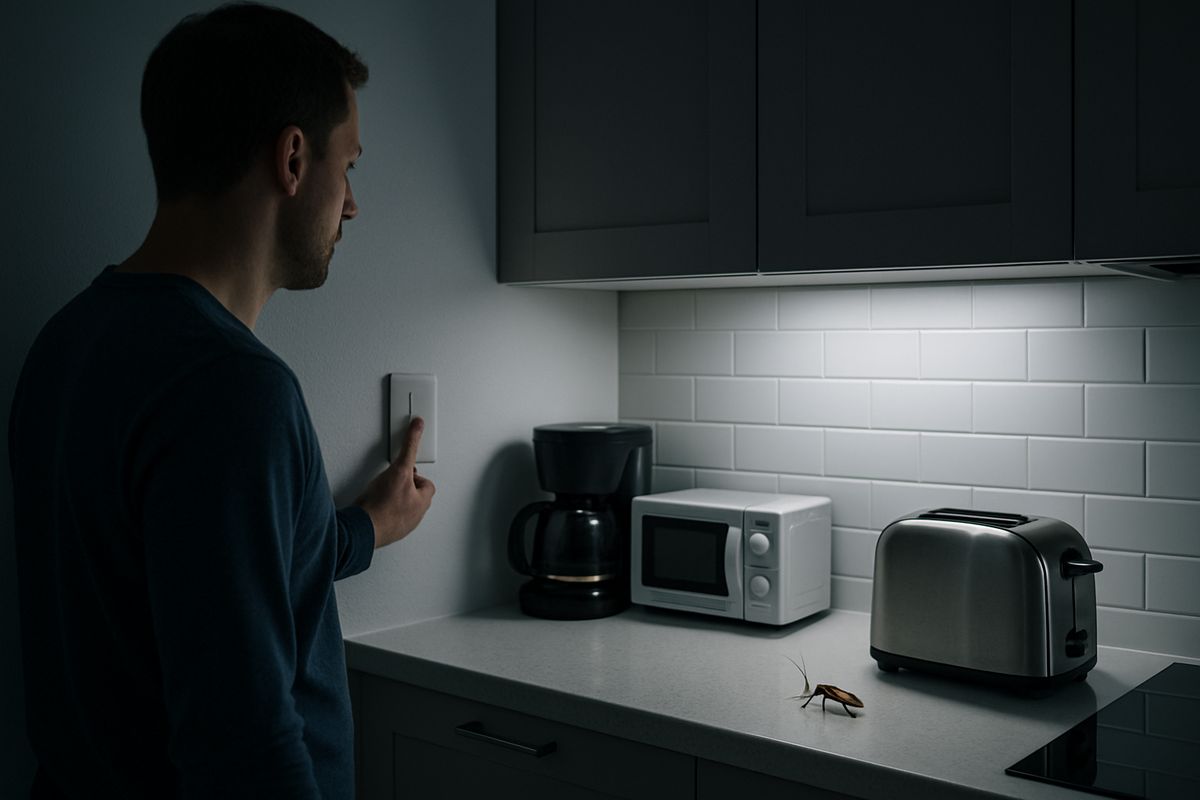
A lot of people have the same experience. You spray the kitchen, stop seeing roaches for a few days, and start to think the problem is finally over. Then you flip on the light at midnight and there one is, running behind the toaster like it owns the place.
That pattern usually means the treatment reduced activity on the surface, not at the source. Roaches live deep in cracks, behind appliances, inside cabinet gaps, and around plumbing lines. So when sightings drop for a bit, it often just means they’ve pulled back into hiding.
Here’s the big idea: recurring roaches are usually a hidden infestation problem, not a one-roach problem. And because cockroach infestations are considered one of the most persistent public health challenges worldwide, quick DIY fixes often wear off fast.
The Short Answer: Why Roaches Keep Coming Back
Roaches keep coming back for three simple reasons: egg cases survive, hiding spots get missed, and new roaches move in from nearby spaces.
That’s the whole story in plain English. You may kill the runners on the floor, but if eggs are still hatching behind the fridge, or roaches are moving in through plumbing voids from another unit, the problem restarts.
DIY treatments usually kill the roaches you see
Most store-bought sprays are surface treatments. They work on contact, which feels satisfying in the moment, but they mostly hit the few insects that are out roaming. That’s only a slice of the population.
Roaches are nocturnal, so the ones you see in daylight or at night near the sink are usually the tip of the iceberg. A hidden nest can stay active even while visible sightings briefly drop.
The infestation is usually bigger than it looks
Roaches are built for tight spaces. They flatten into gaps under baseboards, hide in wall voids, cluster behind refrigerator motors, and nest in cabinet seams near sinks and dishwashers.
In older Chicago bungalows, courtyard apartments, condos, and suburban townhomes, those hiding places are everywhere. Add older plumbing, warm appliance zones, and lots of little cracks, and roaches have exactly what they want: shelter, moisture, and darkness.
Why Sprays Alone Usually Don’t Solve the Problem
Sprays are popular because they give fast knockdown. You see a bug, you spray it, the bug dies. Problem solved, right? Not really.
The catch is that roach control is about elimination, not just visible kills. Research shows sprays remain common because they provide fast knockdown, but gel baits tend to work better against hidden roach populations. That’s why spray-only treatment so often turns into repeat treatment.
Egg cases can hatch after you think the problem is over
Roaches don’t all die at once because they don’t all live in the same stage of life. Adult roaches may die after treatment, while egg cases stay protected and hatch later.
That “they’re back again” moment often isn’t a fresh invasion at all. It’s the next wave. In fact, German cockroaches can hatch in waves after treatment because protected egg cases survive and release new nymphs days or weeks later.
Think of it like mowing weeds without pulling the roots. It looks better for a minute, but the growth starts again because the source never left.
Roaches avoid treated surfaces and stay hidden
Roaches don’t spend all their time walking across open floors. Most of the time, they stay tucked into harborages, which is the pest-control term for their hiding and nesting spots.
They also tend to avoid exposed areas when disturbed. Some DIY products can even scatter them deeper into walls or into nearby rooms. That’s one reason a treatment can seem to make things worse before it gets better. If you’ve noticed that pattern, it helps to understand why spray products sometimes stop giving the results you expect.
Some consumer products are weaker than people expect
Not all products on the shelf are equal. Some consumer sprays underperform badly, especially on German roaches. One study found that common consumer pyrethroid sprays killed less than 20% of German cockroaches after 30 minutes on treated surfaces.
Baits generally do better, though even there, quality varies. A newer study found that six liquid and gel bait products killed at least 80% of adult male German cockroaches after 28 days, but some retail bait stations performed much worse than others. So yes, bait is often smarter than spray, but placement and product choice still matter.
What Keeps Feeding the Infestation Inside Your Home
Even a good treatment struggles if the home keeps supplying food, water, and shelter. That doesn’t mean your home is dirty. It means roaches are opportunists, and honestly, they need far less than most people think.
Food sources are smaller than most people think
Roaches can live on a thin grease film behind the stove, crumbs under a microwave, pet kibble left out overnight, or residue at the bottom of a trash can. They’ll also feed on cardboard, glue, and food splatter you barely notice.
So when someone says, “My kitchen looks clean,” they may be completely right and still have enough food around to support roaches. The issue is often hidden residue, not obvious mess.
Moisture is a huge reason roaches stick around
Water is a big one. Leaks, humidity, crumbs, grease buildup, and pet food all help attract roaches back after treatment. In Chicago-area homes, that often means sweating pipes, damp basements, under-sink drips, appliance condensation, and muggy summer conditions.
Older plumbing makes this worse. A slow leak under the kitchen sink may not look dramatic, but to roaches, it’s a permanent water station. That’s why moisture control matters as much as product choice.
Clutter and storage give roaches safe hiding spots
Crowded cabinets, stacked grocery bags, cardboard boxes, and overstuffed storage rooms give roaches cover. They like pressure on their backs and tight spaces around them, which is why a box of paper goods can feel like a luxury condo.
Reducing clutter won’t solve an infestation by itself, but it makes treatment more effective. Fewer hiding places mean fewer protected nests.
In Apartments and Condos, It May Not Be Just Your Unit
This part matters a lot in Chicago, especially in apartment buildings, condos, and older multi-family properties. Recurring roaches are often structural, not personal.
That means you can do many things right and still keep seeing them.
Shared walls, plumbing lines, and utility gaps let roaches travel
Roaches move through shared walls, pipe penetrations, utility chases, hallways, and trash areas. In other words, your kitchen may not be the original source.
Research on recurring infestations in apartments found that roaches can migrate through shared walls, service ducts, plumbing voids, and common areas. That lines up with what property owners and tenants deal with in dense urban neighborhoods and large suburban complexes alike.
Why one-unit DIY treatment often fails in multi-family buildings
Treating one apartment in isolation often just shifts activity around. Roaches avoid the disturbed unit, then move into wall voids or neighboring spaces until conditions settle.
That’s why repeat infestations in shared housing can feel endless. If the next unit has leaks, clutter, or untreated nests, the pressure never really stops. For renters dealing with that cycle, it helps to understand how shared-wall infestations behave in apartment buildings.
When property managers need a building-wide plan
For landlords and property managers, this is where piecemeal treatment stops making sense. One complaint from one unit can be the visible sign of a larger building issue.
A better approach includes coordinated inspections, tenant prep instructions, sanitation standards, maintenance repairs, and follow-up across multiple units. If you’re evaluating vendors, these are the kinds of things a well-qualified local exterminator should be able to explain clearly.

Signs You’re Dealing With a Hidden Roach Problem
Roaches are secretive, but they do leave clues. The sooner you catch those clues, the easier the problem is to control.
Where roaches commonly hide
Check the warm, dark, humid spots first. Common hiding places include behind refrigerators, under stoves, inside cabinet hinges, under sinks, behind kick plates, around dishwashers, near water heaters, and inside wall voids.
Bathrooms matter too, especially around plumbing penetrations and vanity cabinets. In basements, look near floor drains, laundry areas, and stored cardboard.
Early warning signs to watch for
The most common signs are droppings that look like pepper or coffee grounds, a stale or musty odor, smear marks along edges, shed skins, and egg cases. Nighttime sightings are common. Daytime sightings can be a bigger red flag because they may mean the hiding spaces are crowded.
If you’re not sure what species you’re seeing, getting that right helps. Different roaches behave differently, and treatment should match the pest. A quick guide to spotting the most common local species can keep you from using the wrong approach.
What Actually Works Better Than DIY Sprays
Long-term control works best as a system. Not one can. Not one fogger. Not one late-night panic spray.
Professionals increasingly rely on combined methods, and IPM made up about 41% of professional pest management engagements in 2025, which tells you where the industry is headed. The reason is simple: recurring roaches usually need a layered plan.
For homeowners and managers ready for a more lasting fix, professional help is often built around targeted roach treatment designed to hit the source, not just the insects crossing the floor.
Baits target the nest, not just the runner on the floor
Baits work because roaches eat them and carry the effect back into hiding areas. That matters. Gel baits held 31.4% of the market in 2025, in part because roaches can expose nestmates after feeding.
For German roaches especially, bait placement around harborages usually outperforms random spraying. But here’s the thing: bad bait placement is still bad treatment. Putting bait where roaches never travel won’t do much.
Monitoring helps find the real hotspots
Sticky traps are useful, not because they solve the problem alone, but because they show where activity is strongest. They tell you whether the nest is likely under the fridge, behind the dishwasher, or near a bathroom pipe chase.
That kind of monitoring helps guide treatment and follow-up. Glue traps by themselves are weak for heavy infestations, but as diagnostic tools, they’re extremely useful.
Sealing, sanitation, and moisture control make treatment stick
Integrated pest management sounds technical, but it really means combining common-sense fixes with targeted treatment. Bait where roaches live. Seal the gaps they use. Fix the leak that keeps them hydrated. Clean the grease and crumbs that keep them fed.
That’s why IPM focuses on prevention, early identification, and targeted interventions instead of repeated reactive spraying. It’s less flashy than fogging a room, but it works better.
When It’s Time to Call a Professional Exterminator
Some infestations are just beyond DIY. Not because you didn’t try hard enough, but because the source is hidden, shared, or resistant to the products you used.
You’ve treated more than once and they still return
If you’ve sprayed, cleaned, baited, sprayed again, and the sightings keep coming back, that usually means the root cause was never fully addressed. Hidden nests, egg hatch, resistance, or reinfestation are all likely.
That’s the point where getting a professional plan in place often saves time, money, and a lot of frustration.
You live in a multi-unit building
Apartments, condos, duplexes, and townhomes often need coordinated control. One resident cannot seal a whole building, inspect neighboring units, or fix plumbing voids in common walls.
If the building keeps producing new activity, one-unit treatment is usually a temporary patch.
There are health concerns in the home
Roaches are more than a nuisance. They’re associated with more than 30 species of bacteria, including Salmonella and E. coli, and they’re also linked to asthma and allergy problems, especially in children.
That’s why ongoing infestations deserve faster action in homes with kids, older adults, or anyone with breathing issues. If that applies in your house, it’s also smart to read more about what families should know about treatment around pets and kids.
What Professional Roach Control Should Include
Professional treatment should look like a real plan, not a rushed spray around the baseboards. If that’s all someone is offering, keep looking.
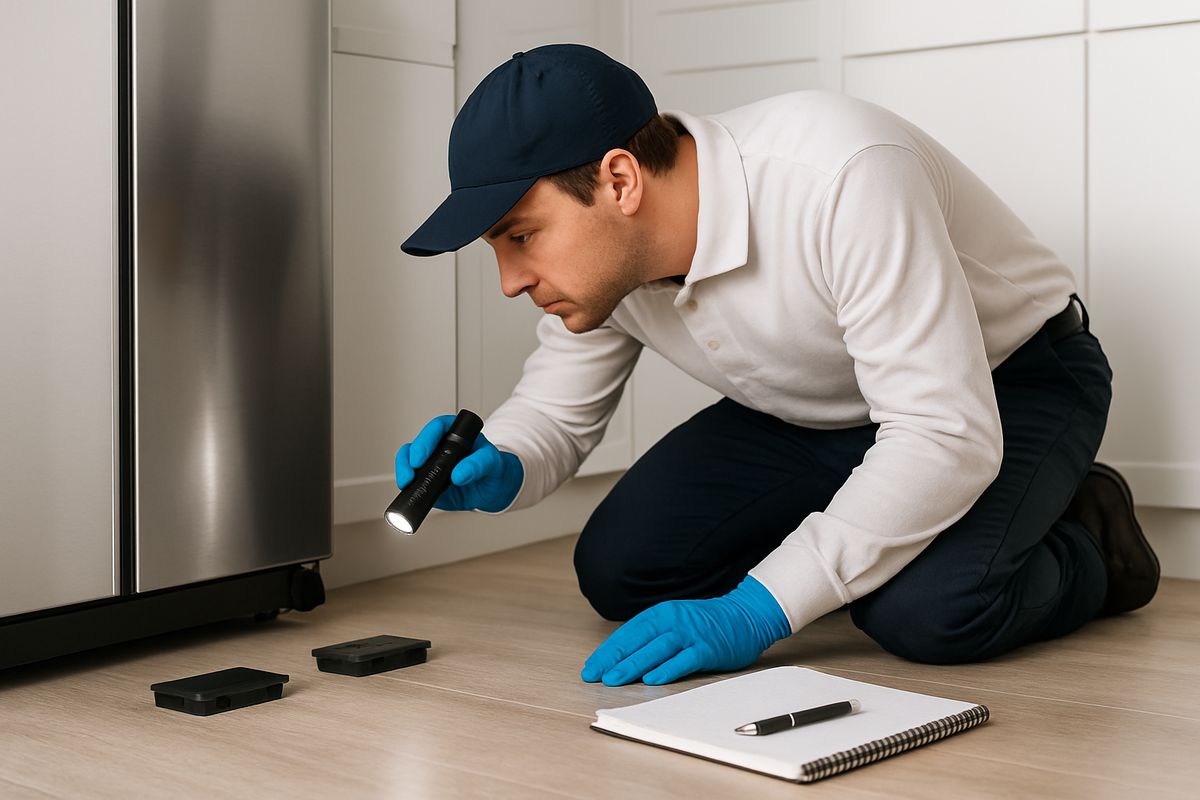
A detailed inspection of hiding places and entry points
A solid service starts with inspection. Kitchens, bathrooms, utility rooms, appliance zones, cabinet voids, baseboard gaps, and plumbing penetrations all need attention.
The technician should be looking for activity, moisture, species clues, and travel routes, not just reacting to the spot where you saw one bug.
Targeted treatment based on the type of roach
German, American, and Oriental roaches don’t behave the same way. German roaches tend to stay close to food and warmth indoors. American and Oriental roaches are more tied to drains, basements, crawl spaces, and damp utility areas.
That means species matters. A one-size-fits-all product approach can miss the mark completely.
Follow-up visits to catch new hatchlings
One visit is often not enough, especially for heavier infestations. Eggs can hatch later, and some activity in the first couple of weeks may still be normal.
A practical benchmark is that sightings in the first 1 to 3 weeks can happen, but frequent activity beyond about 6 weeks suggests the infestation is still active or has returned. Follow-up matters because that’s how you catch the rebound.
How to Make Roaches Less Likely to Come Back
You don’t need perfection. You need fewer food sources, less moisture, fewer hiding spots, and better exclusion.
Daily habits that make a real difference
Wipe grease from the stove and backsplash. Store dry goods in sealed containers. Take trash out regularly. Dry the sink and counters overnight. Don’t leave pet food sitting out all night.
Small habits matter because roaches survive on small resources. Taking away those resources makes every treatment work better.
Simple home fixes that reduce hiding and entry points
Caulk around pipes. Seal cracks where cabinets meet walls. Add door sweeps. Fix plumbing leaks. Cut down cardboard storage, especially in kitchens, pantries, and basements.
If treatment has already started, it also helps to review what to do after service so you don’t accidentally undermine the results.
Questions to ask if you rent
If you rent, document what you’re seeing. Take photos of droppings, egg cases, and sightings near plumbing or appliances. Notify management in writing. Ask whether nearby units or common areas are also being inspected.
Recurring roach problems in rentals often need building-level action. That’s not you being dramatic. It’s how these infestations actually work.
Common Questions About Roaches Coming Back
Is it normal to see more roaches after treatment?
Yes, sometimes. Some products flush roaches from hiding, so you may notice more activity briefly. But if you’re still seeing frequent roaches after the early treatment window, the infestation is probably still active.
How long does it take to fully get rid of roaches?
Light infestations may improve within a couple of weeks. Heavier infestations, especially German roaches in apartments or older buildings, can take several weeks and more than one visit. Building-related reinfestation can stretch the timeline.
Do clean homes still get roaches?
Absolutely. Roaches enter clean homes for water, warmth, shelter, and access from nearby units. Cleanliness helps, but it doesn’t seal cracks, fix leaks, or stop migration through shared walls.
Frequently Asked Questions
Why do I still see roaches after spraying?
Because the spray probably killed exposed roaches, not the hidden nest. Egg cases, deep harborages, and reinfestation from nearby spaces can keep activity going.
Are roach bombs or foggers a good fix?
Usually not. Foggers rarely reach the cracks and voids where roaches spend most of their time. They can also push roaches deeper into hiding and spread the problem.
What type of treatment works best for German roaches?
Targeted gel or liquid bait, monitoring, sanitation, moisture reduction, and follow-up usually work better than spray-only treatment. German roaches are especially good at hiding and can be resistant to common insecticides.
Can roaches come up through drains?
Yes, some species can move through plumbing systems, especially in multi-unit buildings or older structures with moisture issues. Drains, pipe gaps, and utility penetrations are common travel routes.
How do I know if I need a professional?
If you’ve treated more than once, keep seeing roaches, live in a shared building, or have health concerns in the home, it’s time for professional evaluation and treatment.
The Bottom Line for Chicago-Area Homes and Buildings
Roaches keep coming back because the real source is usually still there: hidden nests, surviving egg cases, moisture, and access through cracks or shared building spaces. Sprays may reduce what you see, but lasting control usually takes inspection, targeted baiting, cleanup, sealing, and follow-up.
If the problem keeps cycling back, the smartest next step is to document what you’re seeing, tighten up food and moisture sources, and schedule professional roach control built for lasting results.