
If you’ve ever flipped on the kitchen light at midnight and seen a roach sprint for cover, you already know how unsettling this gets. Roach control in apartments is rarely just about one bug or one unit, especially in Chicago-area buildings with shared walls, old plumbing runs, and plenty of hidden gaps. This guide breaks down why roaches spread so fast, what actually works, what to avoid, and when it’s time for professional help.
Roach problems in apartments are a building systems issue as much as a cleaning issue. In shared-wall housing, cockroaches move through wall voids, pipe openings, utility lines, and door gaps, so a clean apartment can still end up with a steady stream of pests from next door or below.
Why Roaches Spread Fast in Apartments With Shared Walls
Apartments create the perfect setup for roaches to travel without being seen. One warm kitchen connects to another through plumbing chases, electrical openings, vents, and tiny cracks around cabinets or floors. So when one unit has an infestation, nearby units are often part of the same problem, even if nobody realizes it yet.
That’s why apartment residents often feel like they’re doing everything right and still seeing activity. They may be right. Research on multi-family housing shows that shared walls, plumbing chases, electrical conduits, vents, and utility lines let roaches move between units, which is exactly why isolated treatment so often falls short.
Why one roach usually means more nearby
In a single-family home, one roach might be an outside invader. In an apartment building, one roach often means there are more hiding close by. That could mean inside your wall void, under the neighbor’s sink, behind a shared laundry room baseboard, or in a nearby trash area.
This is especially true with German cockroaches. In shared-wall buildings, seeing one German roach is often an early warning sign of a larger infestation. They reproduce fast, stay hidden, and don’t need much space to get established.
How Roaches Move Between Units
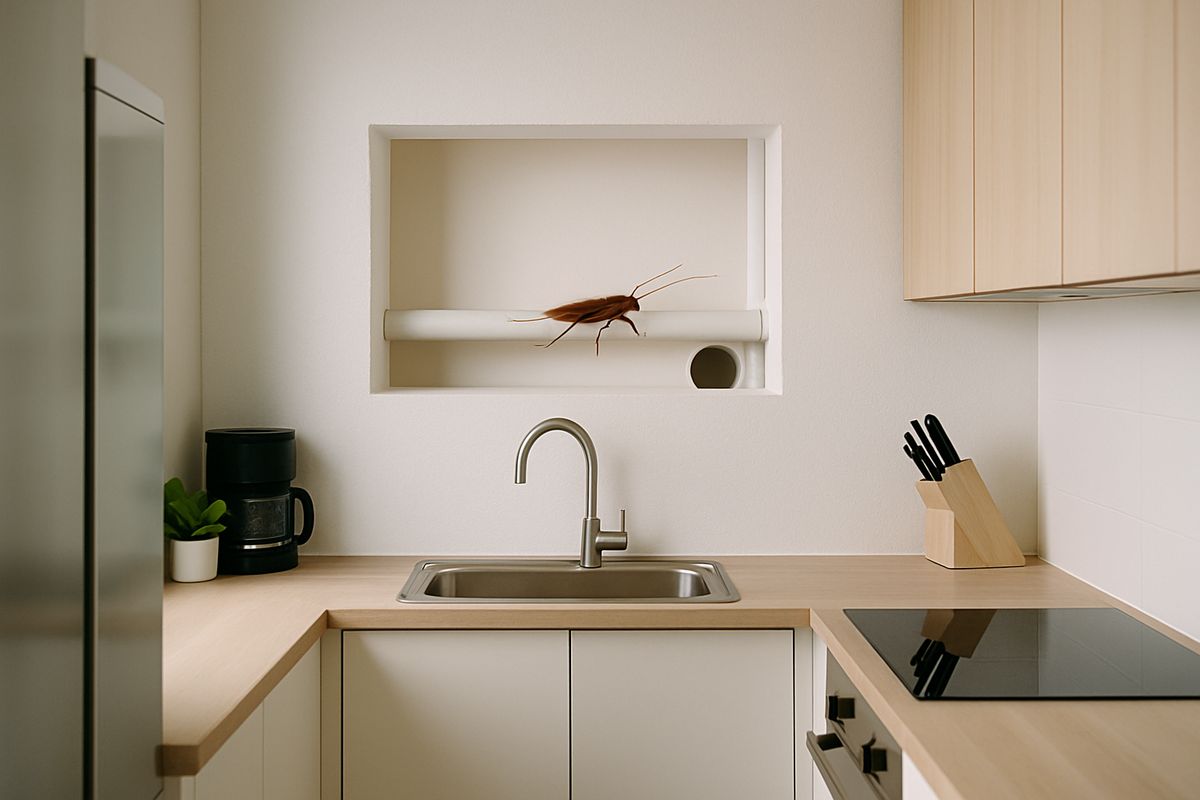
Roaches don’t need a big opening. They need a tiny pathway, moisture, and a reason to keep exploring. Apartments give them all three.
The usual travel routes are behind walls and under floors, but the visible entry points are often around pipe penetrations under sinks, gaps around radiators, loose trim, damaged caulk lines, electrical outlet gaps, and spaces behind stoves or refrigerators. In older Chicago flats and many suburban multifamily buildings in places like Schaumburg or Naperville, those small structural gaps add up fast.
Common entry points to check in your unit
Start where heat, water, and food come together. Check under kitchen and bathroom sinks, behind the toilet supply line, around dishwasher hookups, behind the refrigerator, under the stove, and along cabinet corners where the wall meets the floor.
Then move to doors and drains. Cockroaches can spread through beneath-door gaps, utility penetrations, floor drains, wall voids, and cracks narrower than a credit card. If you can see daylight, feel airflow, or spot a rough opening around a pipe, roaches can use it too.
Why shared walls make DIY control harder
Here’s the frustrating part: killing the roaches you see does not solve where they’re coming from. If one unit gets sprayed while the next unit stays untreated, roaches often scatter and reappear elsewhere. That’s one reason so many renters say the problem “comes back out of nowhere.”
German roaches are the biggest headache in this setup because they like warm, moist hiding spots near kitchens and bathrooms. If you’ve been trying store-bought products and still getting sightings, it helps to understand why DIY attempts often lead to repeat activity.
How to Tell What Kind of Roach Problem You Have
Not all roaches behave the same way. In Chicago-area apartments, the main concern is usually the German cockroach, but American and Oriental roaches also show up, especially in basements, utility areas, floor drains, and older buildings.
German roaches are small, light brown, and usually found indoors near kitchens and baths. American roaches are much larger and tend to come from sewers, boiler rooms, or damp lower levels. Oriental roaches prefer cool, damp spaces and often show up around drains or basements.
Signs of cockroaches in an apartment
Live roaches are the obvious sign, but they’re not the only one. Roach droppings look like black pepper or coffee grounds in small infestations, and larger species leave more noticeable smear marks. You may also find egg cases, shed skins, or a stale, musty odor in cabinets or behind appliances.
Location matters. Most activity shows up around sinks, dishwashers, refrigerator motors, stove gaps, bathroom vanities, and utility closets. If you’re seeing them during the day, that usually points to a heavier infestation because the hidden spaces are already crowded.
Why German roaches are the biggest apartment concern
German cockroaches are built for apartment life. They breed quickly, hide in tight cracks, stay close to food and water, and move easily between connected units. They’re also the species most likely to turn a small problem into a building-wide one.
If you’re trying to confirm what you’re dealing with, this guide on spotting the most common indoor roach fast can help you separate German roaches from the larger species that usually come in from drains or exterior areas.
What Causes Roaches in Apartments, Even Clean Ones
A lot of people take roaches personally. They shouldn’t. Roaches are not proof that your apartment is dirty.
Cleanliness matters, but it’s only one part of the picture. Research shows that even a very clean apartment can still have roaches because they’re drawn to warmth and moisture and often migrate from neighboring units. That’s why spotless counters alone don’t solve shared-building infestations.
Moisture, food, and clutter still matter
Once roaches get inside, they settle where survival is easy. Leaky sink traps, sweating pipes, damp cabinet bottoms, pet bowls left out overnight, crumbs under appliances, grease buildup around burners, and overstuffed storage areas all help them stick around.
Paper clutter matters more than people think, too. Cardboard, grocery bags, and stacked paper products create protected harborage. It’s like handing them a ready-made shelter.
Neighboring units and building conditions
If nearby units are untreated, if a trash room has chronic spills, or if there are plumbing leaks in shared walls, your apartment can keep getting reintroduced to roaches no matter how careful you are. The same goes for basements, laundry rooms, utility closets, and older buildings with plenty of unsealed gaps.
For property managers, this is the line between a tenant complaint and a building issue. Apartment-wide control gets harder when shared spaces, inconsistent sanitation, and multiple entry points are in play.
The Best Way to Get Rid of Roaches in an Apartment
The most reliable approach is Integrated Pest Management, usually called IPM. That means you don’t rely on one product or one cleaning day. You combine inspection, monitoring, baiting, moisture control, sanitation, sealing, and follow-up.
That sounds technical, but really it’s a simple idea: remove what roaches need, target where they live, and keep pressure on the infestation long enough to stop the cycle.
Step 1: Report the problem fast and document it
If you rent, notify management as soon as you see activity. Don’t wait until you’ve seen “a few more.” If you own or manage the property, start a written log right away with dates, room locations, photos, and notes on what time you saw them.
Fast reporting matters because a single cockroach can produce up to 400 offspring in as little as three months. Roach problems grow quietly, then all at once.
Step 2: Use monitoring traps to find hot spots
Sticky traps help you stop guessing. Place them under sinks, beside toilets, behind the refrigerator, near the stove, inside cabinet corners, and close to plumbing lines. Check them every few days at first.
The trap count tells you where roaches are traveling and where treatment should focus. Kitchens usually carry the heaviest pressure, which matches findings that cockroaches and endotoxins tend to be more concentrated in kitchens than bedrooms.
Step 3: Use baits, not just sprays
Baits usually outperform over-the-counter repellent sprays in apartments. Gel baits and bait stations work because roaches feed on them, return to hidden harborages, and spread the toxicant within the population.
Sprays often do the opposite. Broad repellent sprays can drive roaches deeper into walls, scatter them into nearby units, and miss nests and egg cases. If your spray seems to work for a week and then everything rebounds, that’s not unusual. This is also why people start wondering why store-bought roach spray suddenly stops doing much.
If you need hands-on help, professional apartment-focused treatment is usually more effective when it combines baiting, monitoring, and follow-up rather than one-time spraying. A service page like this apartment roach treatment option is the kind of approach worth looking for.
Step 4: Fix leaks and remove water sources
Roaches can survive with very little food, but they struggle without water. Dry out under-sink cabinets, fix dripping faucets, insulate sweating pipes, empty drip trays, hang wet mop heads to dry, and don’t leave pet water out overnight if you’re actively fighting an infestation.
Bathroom humidity matters too. Run the fan, wipe standing water, and keep shower leaks from turning into a permanent moisture source.
Step 5: Seal cracks and shared-wall openings
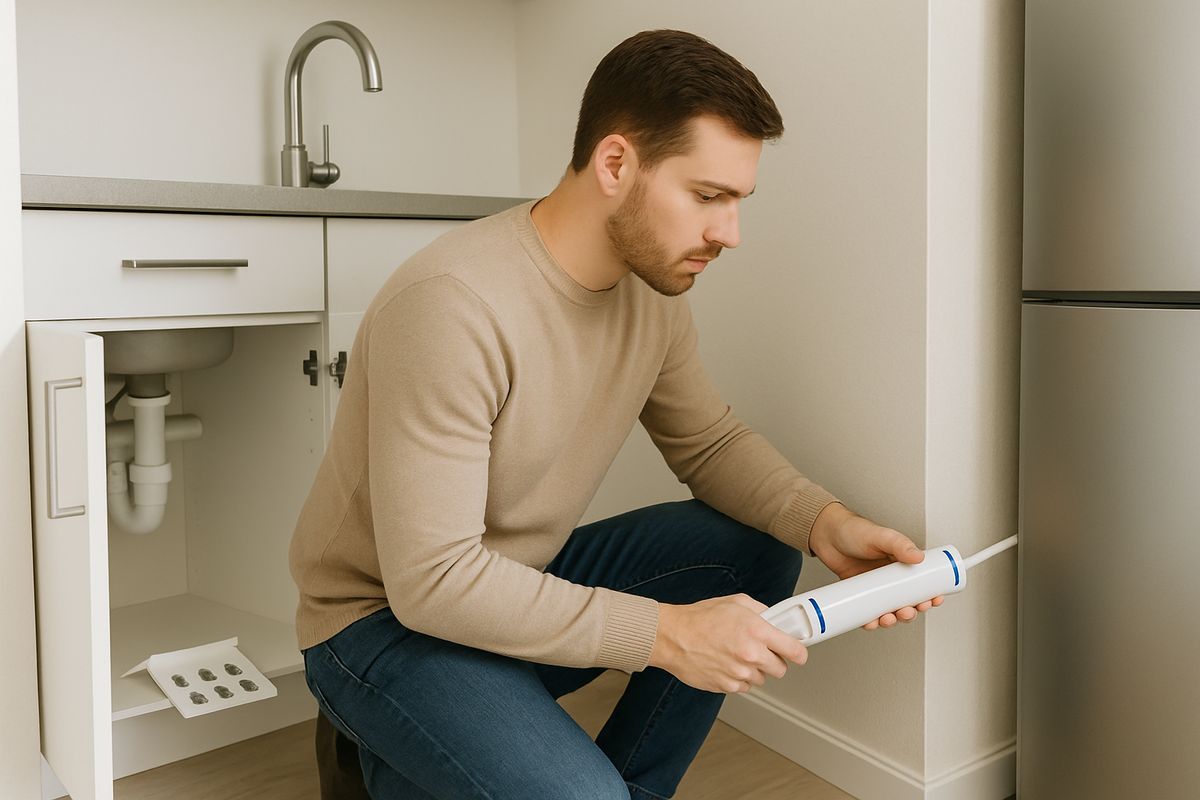
Caulk around pipe penetrations, add escutcheon plates where needed, install door sweeps, tighten loose thresholds, and close gaps behind cabinets or baseboards. Just don’t make the common mistake of sealing first and skipping treatment. If roaches are already inside walls, sealing without baiting can trap them in place and push them to new routes.
What Not to Do When You Have Roaches
A lot of apartment roach problems get worse because people panic and reach for the wrong tools. Fair enough. Roaches make people want instant results.
But instant-feeling products often create slower, messier infestations.
Why foggers and repellent sprays can backfire
Foggers look dramatic, but they rarely reach the tight harborages where apartment roaches actually live. Most of the spray settles on exposed surfaces, not deep cracks, wall voids, or motor compartments behind appliances.
The bigger problem is movement. Repellent products can split the infestation up and push roaches into neighboring units or farther into shared walls, which makes later baiting less effective.
Don’t wait for the problem to get “bad enough”
Waiting is expensive. It means more roaches, more complaints, more units affected, and harder treatment. About 69% of renters try some form of DIY pest control, which makes sense, but waiting too long to escalate can turn a manageable issue into a building-wide project.
When Roach Control Needs Building-Wide Treatment
Sometimes the unit you’re in is only one piece of the infestation map. If adjacent units, units above or below, laundry rooms, trash rooms, or basements are involved, building-wide coordination is the only thing that sticks.
Why treating one unit rarely solves the whole issue
Roaches follow warmth, water, and shelter, not lease lines. If one apartment is treated and the next one is not, the untreated unit becomes a refuge. Then the cycle starts again.
That’s why property managers and HOAs are advised to coordinate access and treatment across multiple units, keep documentation, and schedule follow-up visits. Treating one unit at a time often fails because the infestation itself is connected.
What property managers should have in place
Good management systems make a huge difference. There should be a reporting process, regular inspections, fast plumbing repairs, clear prep instructions, treatment scheduling that includes affected neighboring units, and written records of findings and follow-ups.
Routine inspections matter, too. Monthly inspections or at least inspections every three months are recommended in apartment settings, along with tenant education on food storage, clutter reduction, and early reporting.
Health Risks of Roaches in Apartments
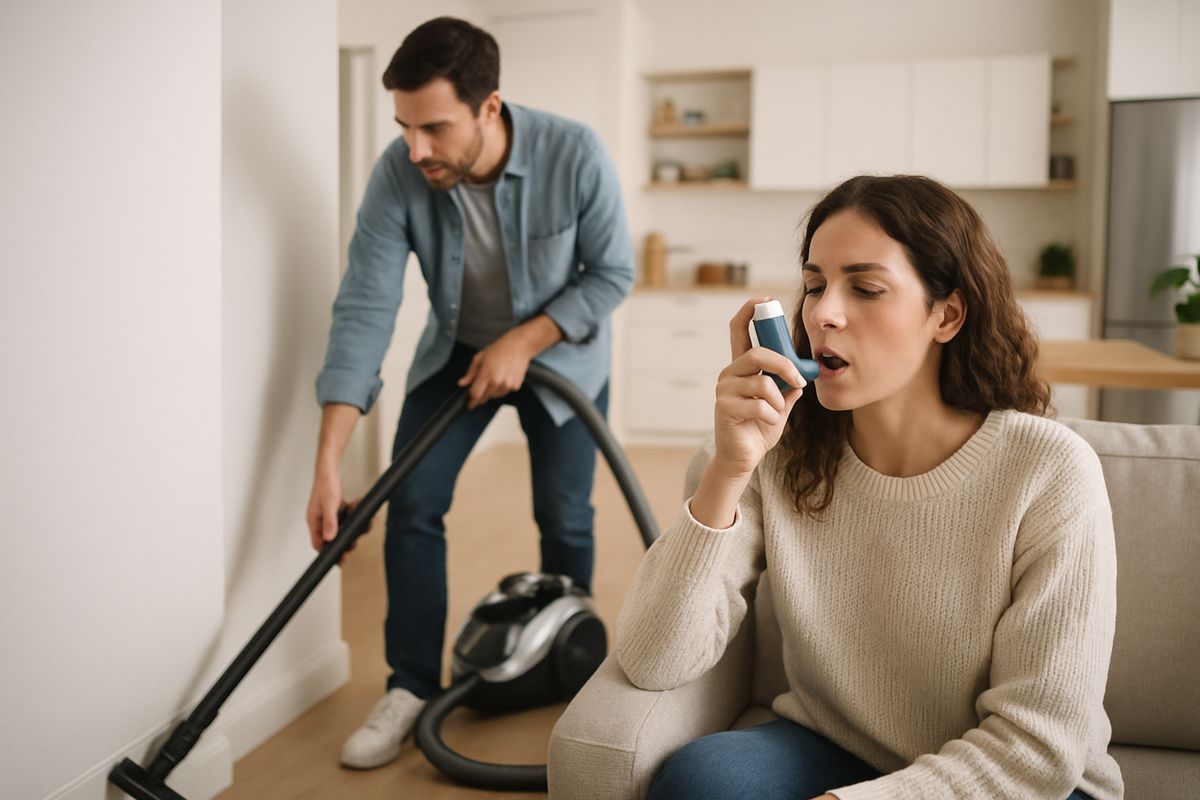
Roaches are gross, sure, but the bigger issue is what they leave behind. Their droppings, body fragments, and secretions can trigger allergies and asthma, and those particles don’t just stay on the floor.
Why roach allergens matter in urban housing
This is where the problem stops being a nuisance issue and becomes a health issue. Research notes that more than 25 million people in the United States live with asthma, and cockroach allergens are a key trigger in many urban housing settings.
NC State researchers studying multi-unit apartments found that larger cockroach infestations were linked to higher allergen and endotoxin levels in home dust and HVAC filters. Even better, they found that when cockroaches were eliminated, allergen and endotoxin levels dropped significantly over time. In other words, partial control is not enough. Real elimination changes the indoor environment.
When to Call a Professional Exterminator
DIY has a place. A few traps, better sanitation, and faster reporting can absolutely help. But apartment infestations cross a line pretty quickly.
Signs you need professional apartment pest control
If you’re seeing roaches in multiple rooms, spotting them during the day, finding egg cases, noticing repeat activity after baiting, or hearing similar complaints from neighbors, it’s time to stop treating it like a one-unit issue.
Professional help also makes sense when you need species identification, treatment around shared infrastructure, or follow-up across several apartments. If you’re comparing options, it helps to know what professional service should actually include before you hire anyone.
What professional roach treatment should include
A good service starts with inspection, not blind spraying. The technician should identify the species, place monitors, use targeted baiting, treat cracks and crevices where needed, point out sanitation and moisture issues, and recommend sealing work. In apartment buildings, they should also think beyond your front door and account for connected units and common spaces.
That’s one reason trained pest specialists are more likely to address the true causes of an infestation rather than just the visible symptoms. For Chicago-area residents, this local roach control service is an example of the kind of targeted, follow-up-based approach that fits shared-wall infestations.
How to Prevent Roaches From Coming Back
Once treatment starts working, your job shifts from reaction to maintenance. You don’t need perfection. You need consistency.
A simple apartment roach prevention checklist
Use this as your baseline routine:
- Store food in sealed containers
- Take trash out regularly
- Clean grease and crumbs quickly
- Dry sinks and counters at night
- Reduce cardboard and paper clutter
- Clean under appliances often
- Fix leaks right away
- Seal gaps around pipes and doors
- Report new sightings early
After treatment, prevention gets easier if you stick to a repeatable plan. This guide on keeping roaches from returning after service is a good next step if you want the long-game version.
Seasonal and local considerations for Chicago-area buildings
In Chicago and nearby suburbs, season changes matter. German cockroaches halt development around 59°F or below, while American and Oriental roaches often move indoors when temperatures dip to about 50°F. So fall and winter can bring new pressure indoors, especially in older brick buildings, garden units, and multifamily properties with basements, shared utility lines, and aging seals.
That’s why buildings in dense city neighborhoods, as well as suburban condo and apartment communities in places like Naperville and Schaumburg, often need prevention plans that continue even after visible activity drops.
Frequently Asked Questions
Can roaches come through the walls in an apartment?
Yes. Roaches regularly move through wall voids, plumbing chases, electrical openings, vents, and gaps around utility lines. In shared-wall buildings, that’s one of the main reasons one untreated unit can affect several others.
If my apartment is clean, why do I still have roaches?
Because cleanliness is only part of the equation. Roaches also follow moisture, warmth, and access. A clean unit can still get roaches from neighboring apartments, shared trash areas, pipe gaps, or hidden building voids.
Are bait stations better than roach spray in apartments?
Usually, yes. Baits tend to work better because roaches feed on them and carry the effect back to hidden harborages. Repellent sprays often scatter roaches deeper into walls and can make control harder.
How long does it take to get rid of roaches in an apartment?
Light activity may improve within days, but full control usually takes longer, especially in shared-wall buildings. Most apartment infestations need monitoring, repeat visits, and building cooperation over several weeks or months.
Does my landlord need to treat neighboring units too?
In many cases, yes. If roaches are moving through shared walls or utility pathways, treating only one apartment often fails. Adjacent units, plus units above and below, may need inspection and treatment.
When should I call a professional for roaches?
Call when you see repeat sightings, daytime activity, roaches in multiple rooms, failed DIY results, or signs that the problem involves neighboring units. At that point, you’re likely dealing with more than a small isolated issue.
Roaches in apartments don’t usually disappear because one person cleaned harder or sprayed more. The fix is faster reporting, smarter treatment, moisture control, sealing, and building-wide follow-through. If the problem keeps circling back, the next move is simple: get a shared-wall treatment plan in place and use a provider that understands how apartment infestations actually spread.