
You spot one roach in the kitchen after dark, then another in the bathroom two days later, and suddenly your whole place feels different. In a dense city like Chicago, that’s not paranoia, it’s a real reason to vet any Chicago pest control company carefully, because the right questions can mean the difference between real control and a quick spray that buys you one quiet week.
1. Do You Have Experience Treating the Specific Roach Species Common in Chicago?
Not all roaches behave the same, and any exterminator who talks about them like one big category is already making life harder than it needs to be. In Chicago homes and buildings, the usual suspects are German cockroaches, American cockroaches, and sometimes Oriental cockroaches, especially around basements, drains, alleys, and older buildings.
That matters because treatment changes with the pest. German roaches are small, fast, and famous for setting up shop inside kitchens and bathrooms. American roaches are bigger and often tied to moisture, sewer lines, or basement entry points. Oriental roaches tend to like damp, cool areas and are common around lower levels and exterior problem spots.
A good company should identify what you actually have before recommending a plan. If you want a quick visual guide before the appointment, it helps to review how to tell common local species apart. You do not want to pay for a generic “roach treatment” when the source is species-specific.
Why species ID changes the plan
German roaches usually mean indoor nesting, fast reproduction, and a deeper infestation than people first realize. One sighting in the daytime can point to a crowded hiding area nearby, which is why pros often focus on baiting, growth regulators, and close monitoring instead of leaning on broad spray alone.
Larger roaches can point to a different problem entirely. They may be moving in from drains, crawl spaces, basements, garages, or exterior gaps. In that case, the plan should include moisture control, entry-point checks, and sometimes drain or utility-area treatment. Same city, same word “roach,” very different job.
2. Are You Licensed, Insured, and Familiar With Chicago-Area Building Types?
This question sounds basic, but it filters out a lot of headaches fast. A legitimate exterminator should be properly licensed in Illinois, insured, and comfortable working in the kinds of structures people actually live in around Chicago: bungalows, greystones, two-flats, condo buildings, high-rises, townhomes, and suburban single-family homes in places like Naperville and Schaumburg.
Local building knowledge matters more than most people think. Roaches don’t care whether your address is in Lakeview or Schaumburg, but your building layout changes where they hide and how they spread. Shared plumbing, aging masonry, trash rooms, boiler areas, and damp garden units all create different risk patterns.
If you manage a rental or live in a condo building, ask how the company handles shared-wall problems. That’s often where one-unit treatment falls apart, especially if the neighboring apartment is feeding the issue. There’s a big difference between treating a stand-alone house and dealing with roach problems that move through connected units.
What “local experience” really means
Real local experience is not just having a Chicago phone number on the website. It means the technician understands older brick buildings with pipe gaps behind cabinets, garden units with moisture issues, alley-facing trash setups, and the way infestations travel along utility lines in multi-unit buildings.
It also means they know when your problem probably isn’t confined to your unit. In apartments and condos, that honesty matters. A company that pretends every infestation is isolated is telling you what sounds easy, not what’s true.
3. Will You Inspect First, or Just Quote a Spray Treatment?
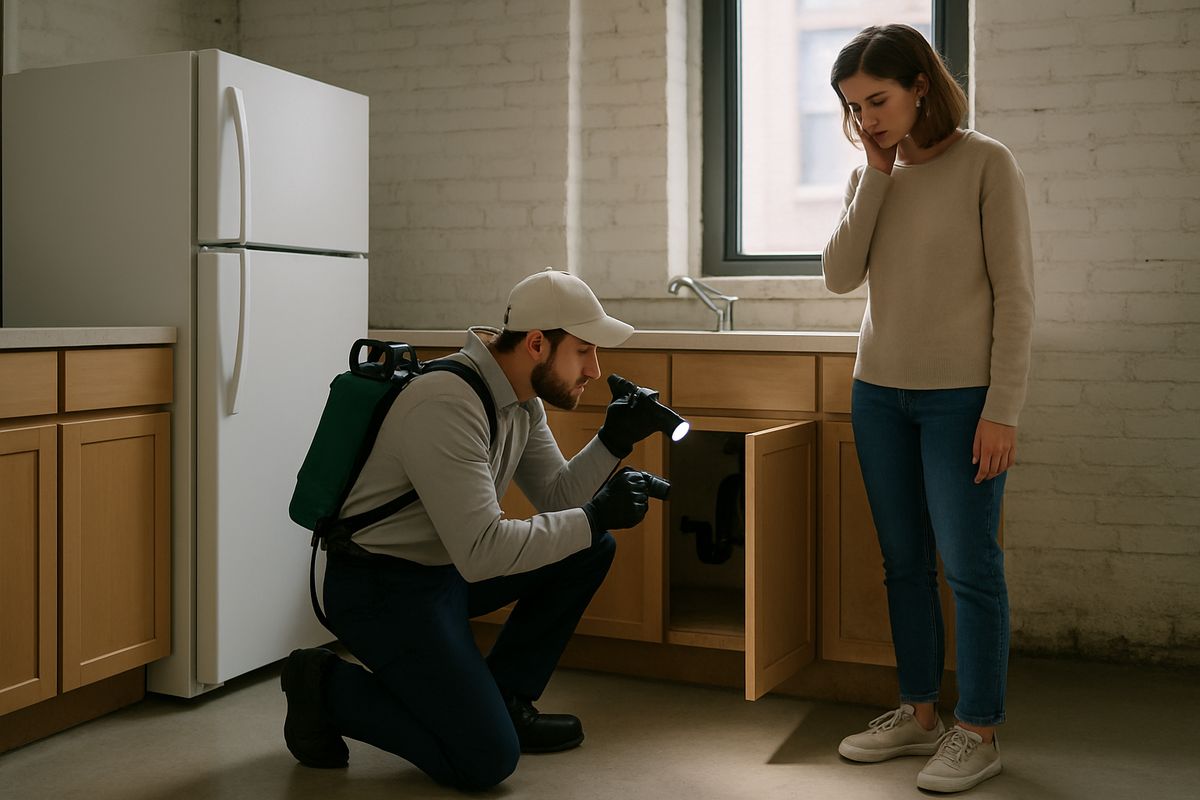
If someone gives you a firm price for roach treatment without asking much and without looking around, be careful. Real roach control starts with inspection, not with a can.
A proper inspection should cover kitchens, bathrooms, laundry or utility spaces, basement areas, appliance gaps, cabinet hinges, pipe penetrations, and any warm, hidden spot that gives roaches water and shelter. The tech should also be looking for droppings, egg cases, smear marks, shed skins, and the musty odor that heavy infestations can create.
This is also the moment where a company should tell you how serious the infestation looks. Light activity near one sink is one thing. Roaches behind the fridge, under the dishwasher, in multiple bathrooms, and near utility penetrations is another. The treatment plan should reflect that.
If the company skips inspection and goes straight to “we spray and that takes care of it,” that’s not a great sign. Plenty of people end up frustrated when surface treatment doesn’t fix hidden nesting, which is exactly why DIY and spray-only approaches often stop working.
Red flags during the estimate
Watch for vague answers, rushed pricing, and promises that one visit will solve a heavy infestation. That kind of certainty sounds nice, but honestly, roaches rarely cooperate with sales scripts.
Another red flag is a company that can’t explain where they expect activity to be coming from. You don’t need a lecture, but you do need specifics. If they can’t point to likely harborages or contributing conditions, they may be guessing.
4. What Treatment Methods Do You Use for Roaches, and Why?
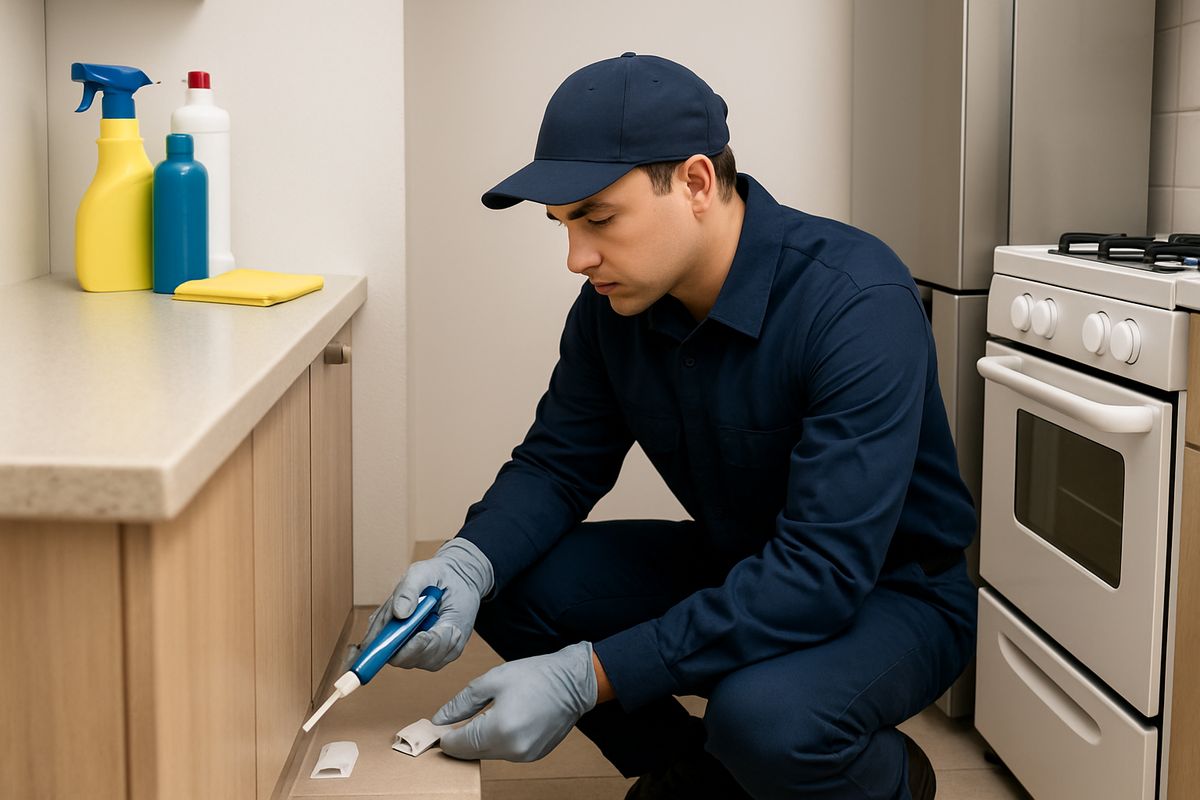
This is one of the smartest questions on the list because it tells you whether the company has an actual strategy. Good roach work usually combines several methods: baiting, insect growth regulators, crack-and-crevice treatment, dusts in the right voids, monitoring traps, and limited targeted spray where it makes sense.
That mix matters because roaches are good at surviving lazy treatment. Baits work by getting roaches to feed and carry the toxicant back into the population. Growth regulators interrupt reproduction. Dusts can help in hidden voids where liquid products are a poor fit. Monitoring traps show whether the plan is actually working, rather than relying on guesswork.
You should also expect the company to explain why they’re choosing one method over another. In many homes, that answer should sound practical, not theatrical. Something like: “We’re baiting behind the refrigerator and stove because that’s where we found activity, and we’re using monitors to track the drop in population.” That’s a real answer.
For readers comparing treatment options, the service details at Midwest Pest Solutions’ roach control page are a good example of what a focused roach program should cover.
Ask for plain language, not jargon
A trustworthy company should be able to explain the process in regular English. What are they applying, where are they applying it, what should you expect in the first week, and what would count as progress?
You should never leave the estimate feeling like you got buried in product names and still learned nothing. If they can’t explain it clearly, they may not be planning it clearly either.
5. How Safe Is the Treatment for Kids, Pets, and People With Health Concerns?
If you have kids, pets, asthma, allergies, an elderly family member, or anyone sensitive to strong products, ask this early. A solid company should walk you through safety before, during, and after treatment without acting annoyed that you brought it up.
Ask about prep instructions, re-entry timing, pet precautions, food storage, dish handling, and whether anything needs to be covered or removed. Also ask where products will and will not be placed. The answer should be specific. “Only in cracks, crevices, and targeted harborages” is very different from “pretty much around the whole kitchen.”
Households with health concerns need extra clarity. If someone has asthma, for example, you’ll want to know whether there are odor concerns, whether dusts are being used in sealed voids, and how to minimize exposure while still getting results. If you need a deeper look at that topic, this guide for Chicago households with animals covers the pet side in more detail.
Safety questions worth asking
Ask for the product information if you want it. Ask how long to wait before kids or pets go back into treated areas. Ask what to do with countertops, dishes, pet bowls, and open food.
Good companies answer these questions calmly because they’ve answered them a hundred times before. The sketchy ones get defensive. That tells you plenty.
6. What Do I Need to Do Before and After Treatment?
Roach control is not a drop-off service. The exterminator does part of the job, and the resident or property manager does the rest. If the company never mentions prep, that’s usually a bad sign.
Before treatment, you may need to reduce clutter, empty certain cabinets, clean grease buildup, seal food, remove cardboard, fix leaks, and make sinks and counters easier to access. After treatment, you may need to avoid deep-cleaning the exact places where bait was placed, keep food sealed, manage trash better, and follow simple sanitation steps that support the treatment instead of wiping it away.
This is where many treatments succeed or fail. A kitchen can look pretty clean and still offer roaches enough crumbs, grease, water, and hiding spots to keep going. If you want to know what smart aftercare looks like, these post-treatment steps that actually help are worth reviewing.
Good companies give a checklist
The best providers hand you a written prep sheet, not a rushed verbal summary at the door. That checklist should be simple, clear, and realistic.
That matters because people forget things, especially when they’re stressed. A written plan keeps everyone on the same page and helps the treatment work faster.
7. How Many Visits Will It Take, and What’s Included in the Follow-Up?
For serious roach infestations, one visit is often the beginning, not the finish line. If a company sells you on a one-and-done fix for a heavy infestation, be skeptical.
Roaches reproduce fast, hide well, and often need follow-up to knock down the population fully. Ask how many visits are typical, what spacing they recommend between services, whether follow-up inspections are included, and how they track progress. Monitoring matters here. You want a company that checks whether activity is dropping, not one that just repeats the same treatment mechanically.
This is also the point where a real pro should set expectations. You may still see some roaches after the first treatment, especially if baiting is part of the plan. The question is whether activity should decline over time, and how they’ll respond if it doesn’t.
Why follow-up matters in apartments and multi-units
Apartments and multi-unit buildings are notorious for reinfestation. Roaches can shift between units, hide in wall voids, and rebound if neighboring units, common trash areas, or shared utility spaces are part of the problem.
That’s why follow-up can be the difference between temporary relief and real control. The company should be honest about the limits of treating one unit in a building-wide problem, and they should say so before you pay, not after.
8. Do You Offer Prevention Advice and Exclusion Recommendations?
Killing the current roaches is only half the job. The other half is making the property less inviting so they don’t come right back.
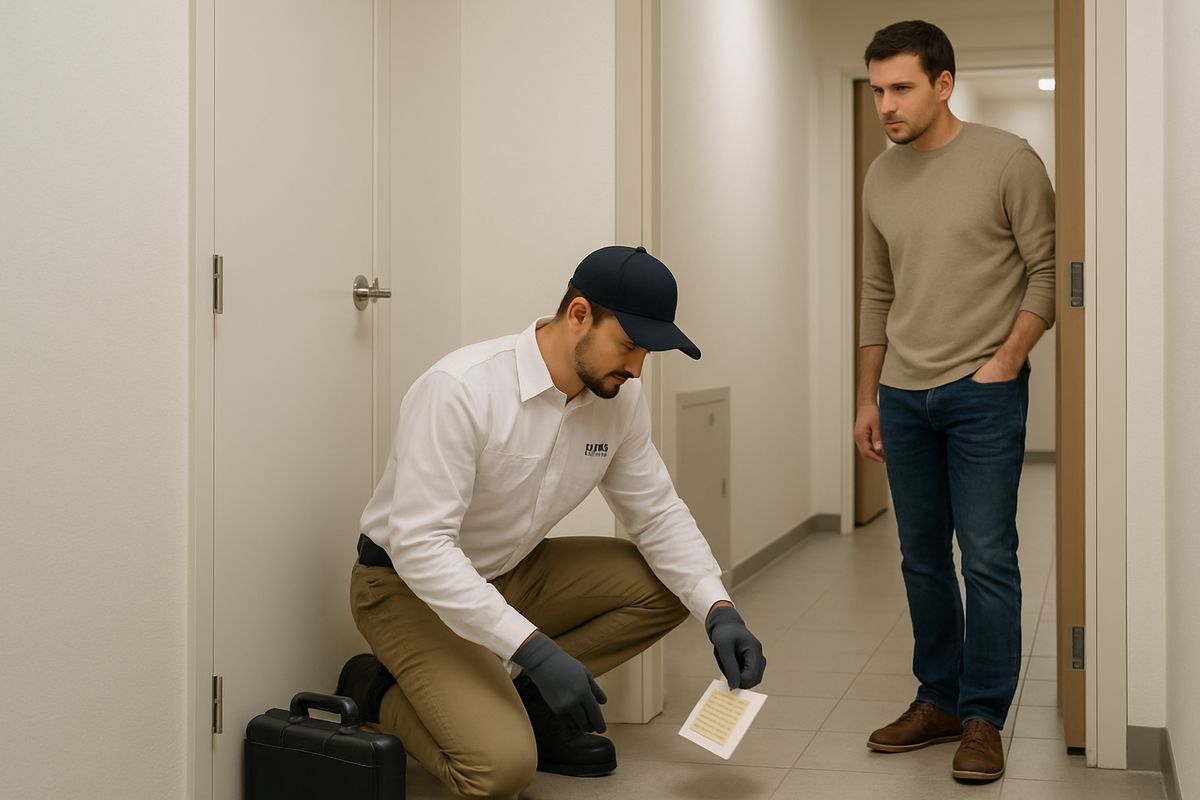
Ask what the company recommends for prevention. Good answers include sealing cracks and gaps, repairing screens, addressing leaks, reducing moisture, improving trash storage, fixing weatherstripping, and closing off easy routes around plumbing and utility lines. In older Chicago homes and buildings, these details really matter. Little openings around pipes or behind cabinets can work like an open front door.
Here’s the thing: treatment without prevention is like putting towels under a roof leak. You may get short-term relief, but you haven’t fixed the reason the problem keeps returning. A company worth hiring should give you practical steps, not generic advice like “just keep things clean.”
The goal is fewer future callbacks
Good prevention advice saves you money and saves them repeat emergency calls. That’s a sign of a company thinking beyond the current invoice.
If they pair treatment with realistic prevention steps, you’re much more likely to stay ahead of the problem. For another look at that side of the job, these habits that help keep roaches from returning line up well with what strong exterminators usually recommend.
9. What Will This Cost, and Is There a Guarantee or Service Warranty?
Price matters, obviously, but the cheapest number on the phone is often the most expensive outcome later. You need to know what the quote actually includes.
Ask whether the price is for one visit or a full treatment plan. Ask if follow-ups cost extra. Ask if there’s a monthly, quarterly, or one-time option, and what happens if activity continues between scheduled visits. A warranty or service guarantee should also be explained in plain terms. Not “we stand behind our work,” but actual details on retreatment, time windows, and exclusions.
This is a great moment to compare companies side by side. Not just price, but inspection quality, treatment depth, follow-up structure, and how clearly they explain the warranty. If one company is cheaper because they skip follow-up, that bargain disappears fast when the roaches do not.
You can also compare how transparent a provider is online. For example, Midwest Pest Solutions’ roach control page gives you a useful benchmark for what a dedicated service page should explain before you ever book.
Compare value, not just the lowest price
A lower price can make sense for a very light issue in a stand-alone home. But for a serious infestation, especially in a building with shared walls, deeper service is usually the better deal.
The better question is not “Who is cheapest?” It’s “Who seems most likely to solve this without wasting my time?”
10. Can You Share Reviews, References, or Results From Similar Chicago Properties?
Reviews are not everything, but they’re still one of the easiest ways to spot patterns. Ask for reviews or references from customers in situations similar to yours, not just generic five-star comments.
If you’re a renter in an apartment, look for feedback from apartment residents. If you manage a building, ask about multi-unit experience. If you own a suburban home with a recurring issue, find out whether they’ve handled repeat infestations in similar homes. Context matters.
You’re looking for clues about communication, punctuality, prep guidance, professionalism, and follow-through. Did the company explain the plan clearly? Did they come back when they said they would? Did the infestation actually stay gone? Those are the details that count.
What to look for in reviews
The best reviews mention specifics. Things like the tech identified the source, explained the prep, followed up, and adjusted the plan when needed. That’s useful.
Be cautious with reviews that sound vague or overly polished. Real pest control feedback usually includes a bit of story because people remember how stressful the problem was, and whether the company actually fixed it.
Quick Questions to Ask on the Call
When you’re calling around, you do not need a perfect script. You just need a short list that keeps the conversation focused and stops you from forgetting the big stuff.
A good phone call should tell you whether the company sounds thorough, transparent, and realistic. If they rush you off the phone or dodge the details, move on.
For a practical example of what a professional service should cover, it also helps to compare their answers with the information on Midwest Pest Solutions’ roach control page.
Sample phone checklist
- Are you licensed and insured in Illinois?
- What kind of roaches do you think this sounds like?
- Do you inspect before recommending treatment?
- What treatment methods do you usually use?
- How do you handle apartments or shared-wall buildings?
- What prep do I need to do before service?
- How many visits are usually needed?
- Are follow-ups included in the price?
- What warranty or guarantee do you offer?
- What safety steps should I follow for kids or pets?
How to Choose the Right Chicago Pest Control Company for Your Situation
The right company for a downtown apartment may not be the same one you’d hire for a single-family home in Naperville or a multi-unit property in Schaumburg. That’s why these questions matter so much. You’re not just hiring someone to spray, you’re hiring someone to identify the source, explain the plan, follow up properly, and help keep the problem from cycling back.
If you’re dealing with one or two sightings and hoping it’s minor, don’t assume. Roaches are good at staying hidden until the population grows. Call two or three companies, compare how they answer these ten questions, and book the one that sounds specific, calm, and thorough. That usually tells you more than the price alone.
Frequently Asked Questions
How do I know if I need a Chicago pest control company for roaches instead of trying DIY first?
If you’re seeing roaches more than once, finding them during the day, or noticing activity in multiple rooms, it’s usually time to call a pro. Those signs often point to an established infestation, not a random stray.
How long does professional roach treatment usually take to work?
You may see some improvement within days, but full control often takes multiple visits over several weeks, especially with German roaches. The timeline depends on the infestation size, building conditions, and whether neighboring units are involved.
Should a pest control company inspect my apartment or house before giving a final quote?
Yes. A good company should inspect first or at least explain that the final treatment plan depends on what they find. Roach problems vary too much for a serious provider to rely on a one-size-fits-all quote.
Is roach treatment safe if I have pets or small children?
It can be, when the treatment is targeted and the company gives clear safety instructions. Always ask where products will be placed, how long to wait before re-entry, and what to do with food, dishes, toys, and pet items.
What if roaches come back after treatment?
That can happen, especially in apartments, older buildings, or places with shared plumbing and wall voids. Ask about follow-up visits, monitoring, and warranty terms before you hire anyone.
What should I compare besides price?
Look at inspection quality, treatment methods, follow-up, warranty terms, local building experience, and how clearly the company explains the process. In pest control, the cheapest option is often the one you end up paying for twice.