
Seeing a roach after treatment can feel like a bad joke. You paid for service, cleaned up, and now one darts across the kitchen floor anyway. The truth about roach prevention is simpler and more frustrating than most people want to hear: good results come from a system, not a single spray, and this guide shows what actually keeps roaches from bouncing back in Chicago homes, apartments, condos, and suburban properties.
If you want the short version, here it is. Roach prevention after treatment means four things working together: effective targeted treatment, less access to food and water, fewer places to hide, and regular monitoring so a small comeback gets caught early. Do those four well, and the odds shift heavily in your favor.
Here’s what you’ll learn:
- Why roaches still show up after treatment
- Which roach species need different prevention tactics
- The four-part system that actually works
- How to avoid undoing professional treatment
- The sanitation steps that matter most
- Where moisture and entry points keep infestations alive
- How to handle prevention in apartments and condos
- When DIY is enough, and when it isn’t
- A 30-day checklist you can actually follow
Why Roaches Come Back After Treatment
A lot of people assume treatment should work like flipping off a light switch. Roaches there one day, gone the next. That’s not how most real infestations behave, especially in older Chicago buildings, two-flats, garden units, and multi-unit properties where activity can spread through walls, plumbing lines, and common areas.
What actually works is long-term pressure. You reduce the population fast, then make the home harder to live in, harder to re-enter, and easier to monitor. That second part is where many rebound infestations happen.
A Quick Reality Check on Post-Treatment Roach Sightings
Seeing a few roaches after service does not automatically mean the treatment failed. In many cases, it means roaches are still moving through treated areas, encountering bait, or emerging from hiding spots they used before the application.
You may also be seeing hatch-outs. Egg cases that were already present can produce young roaches after treatment, and those nymphs still need to contact bait or residual material. That can create a short period where activity looks annoying, even though the overall population is falling.
The pattern matters more than the single sighting. A couple of roaches, especially sick, slow, or dead ones, usually points to progress. Fresh droppings, steady daytime sightings, and activity spreading into multiple rooms point to a rebound.
The Real Goal: Stay Roach-Free Later, Not Just for a Week
This is the benchmark that matters. As University of Kentucky researcher Zachary DeVries put it, prevention success should be measured by whether families remain roach-free later on and whether housing providers can sustain that outcome, not by a quick one-month win.
That’s especially relevant in dense housing. In urban settings, researchers say roughly 25% to 30% of homes in some housing communities are dealing with infestations. So yes, your unit matters, but the surrounding environment matters too.
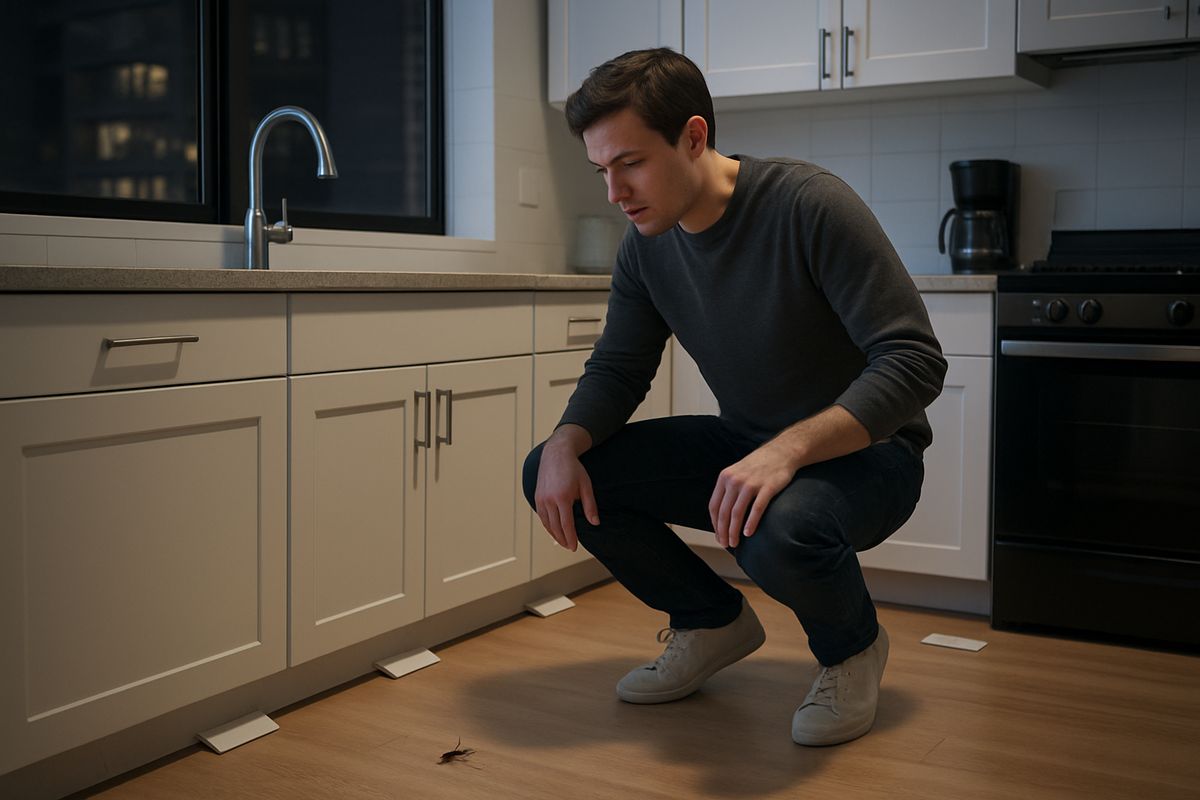
Start With the Type of Roach You’re Dealing With
Not all roaches behave the same way, and prevention gets a lot easier once you know what you’re fighting. If you’re not sure which one you have, it helps to review how to tell local species apart quickly before you start sealing random gaps and cleaning the wrong areas.
In the Chicago area, the biggest indoor troublemaker is usually the German cockroach. But brown-banded and American cockroaches show up too, and they push prevention in different directions.
German Cockroaches
German cockroaches are the main indoor problem in kitchens, bathrooms, utility areas, and anywhere warm, humid, and tight. They love cracks around cabinets, plumbing penetrations, appliance voids, and the hidden spaces behind stoves and refrigerators.
They also multiply fast. Really fast. That’s why a “small problem” in a kitchen can become a building issue before anyone realizes it.
If you suspect these are your issue, pay close attention to nymphs, pepper-like droppings, and activity near sinks, dishwashers, and warm motors. For a closer look at signs and ID, spotting the common kitchen species fast can save you a lot of guesswork.
Brown-Banded and American Cockroaches
Brown-banded roaches are easy to miss because they often avoid the classic under-sink, near-water pattern. They prefer warm, dry, elevated spots. Think upper cabinets, behind framed art, near electronics, inside closet shelving, along curtain rods, and in ceiling voids.
American cockroaches are a different story. They’re more tied to basements, floor drains, sewer connections, boiler rooms, crawl spaces, and damp utility paths. In Chicago and nearby suburbs, that often means older basements, shared drain systems, and lower-level utility areas deserve extra attention.
What Actually Works for Roach Prevention After Treatment
Here’s the big picture. Prevention works when you kill what’s left, remove what attracts them, block how they get in, and keep checking for signs. Miss one of those, and you create an opening for the infestation to rebuild.
That sounds like a lot, but it’s really four repeatable habits.
The Four-Part Prevention System
The easiest way to remember it is this:
- Target the remaining population
- Remove food and water
- Seal entry and hiding spots
- Monitor for new activity
That’s basically an IPM approach, short for Integrated Pest Management. In plain English, it means using treatment, inspection, behavior changes, and repairs together instead of depending on endless chemical spraying. That approach matters because Integrated Pest Management can reduce pesticide use by up to 90%, while often improving long-term control.
For readers comparing service plans, this is also why a proper long-term prevention approach from a pest professional usually outperforms one-and-done spray visits.
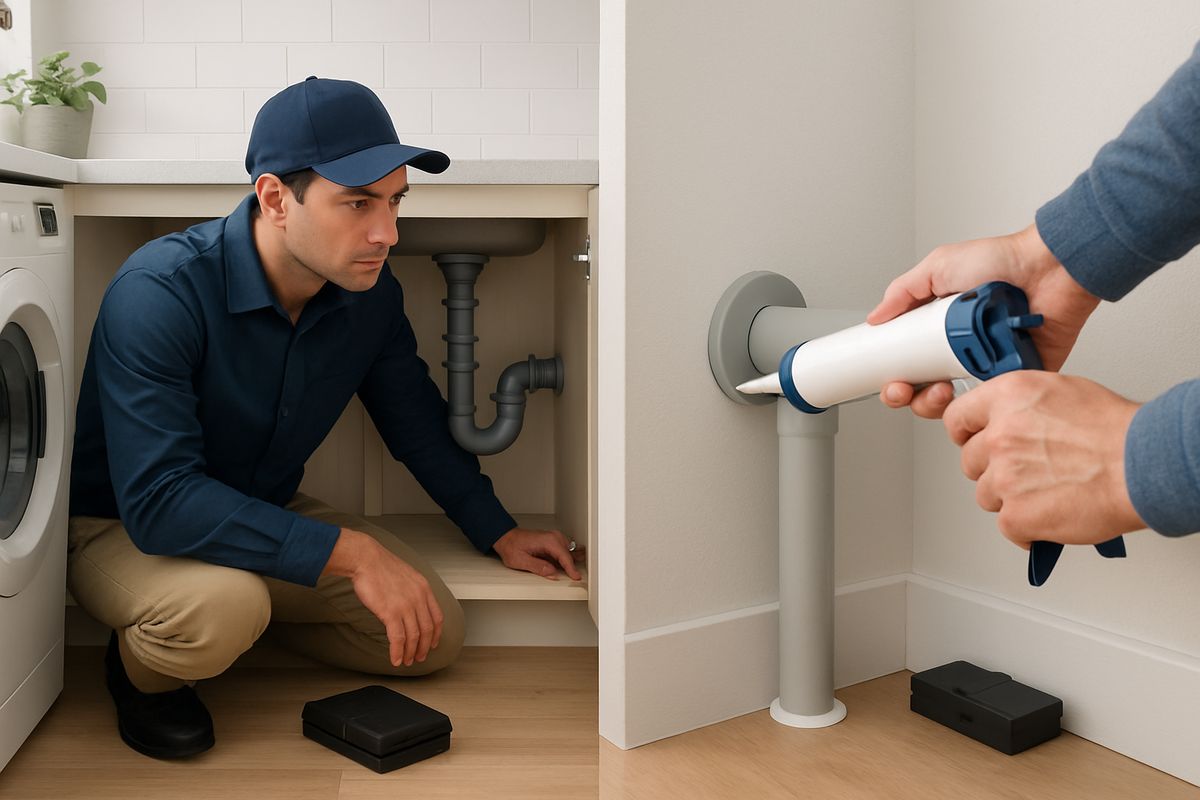
Keep the Treatment Working Instead of Undoing It
A surprisingly large number of rebound cases happen because the original treatment was decent, but someone accidentally wrecked it afterward. Sometimes that means deep-cleaning treated cracks too soon. Sometimes it means blasting the kitchen with aerosol spray from the hardware store.
Roaches are already hard enough to control. Don’t help them.
Don’t Spray Over Baits or Residual Products
This is one of the most common mistakes. Store-bought sprays can contaminate bait placements, repel roaches away from the areas where they’d otherwise feed, or push them deeper into walls and neighboring units.
Foggers are even worse in many cases. They rarely reach the harborages where roaches actually live, and they tend to scatter the population instead of resolving it. The same goes for random “natural” mixtures with no real performance behind them.
If you’ve already hit the point where aerosols and random products seem useless, there’s usually a reason. A lot of homeowners run into this exact cycle, and why store-bought roach sprays stop helping usually comes down to resistance, poor placement, or products interfering with one another.
Follow the Prep and Aftercare Instructions
After treatment, follow the instructions exactly, even if they feel picky. If the technician says not to mop along baseboards for a certain period, don’t. If they place bait in hinges, cracks, or cabinet corners, leave it alone. If they ask you to reduce clutter or empty certain cabinets, do it fully, not halfway.
Clear reporting matters too. Don’t say “I still saw some.” Say where, when, how many, and whether they were tiny nymphs, adults, or dead roaches. Good follow-up is built on details.
If you want a room-by-room breakdown, what to do in the days right after service covers the common do’s and don’ts.
Cut Off Food Sources That Feed the Rebound
Cleaning matters, but not in the vague “just keep everything spotless” way people often hear. Roaches do not need a dirty house. They need access to food. A few greasy crumbs under the toaster, a sticky recycling bin, spilled cereal in a pantry corner, and pet food left out overnight can be enough to support survivors.
So the goal is not perfection. The goal is to remove the easy calories.
Kitchen Habits That Make the Biggest Difference
Start with grease and food residue. Wipe counters nightly, especially along backsplashes and seams where tiny bits collect. Clean the stovetop, the sides of the range, and the floor around the trash can. Pull out the toaster tray. Vacuum or sweep under the kitchen table and along kick plates.
Then go after the hidden stuff. Under the refrigerator matters. Under the stove matters. Pantry shelf corners matter. Dry goods should be sealed in containers, not left in paper or thin plastic that roaches can exploit.
A simple rule helps a lot: no dirty dishes overnight, no overflowing trash, and no unrinsed bottles or cans sitting around. Research also shows kitchens deserve priority because more endotoxins were found in kitchens than in bedrooms, since cockroaches cluster where food is available.
Pet Food, Crumbs, and “Small” Food Sources You Forget About
Here’s where people get tripped up. They clean the kitchen and forget the rest of the home.
Pet bowls left out overnight are a huge one. So are crumbs in couch cushions, snack wrappers in bedrooms, coffee splashes in a home office, cereal under a kid’s bed, and pantry spills no one notices because the shelf liner hides them. Even cardboard drink cases and reusable grocery bags can collect food residue.
If you can, keep eating to one main area. That alone reduces how many feeding zones roaches can use. It sounds basic, but it works.
Take Away Their Water and Damp Hiding Spots
German roaches, in particular, love moisture. Not puddles necessarily, just steady access to humidity, drips, and condensation. In Chicago-area homes, especially older housing stock, that can mean a leaky sink trap, sweating pipes in summer, or a damp basement utility corner is enough to keep them going.
Food helps them thrive. Water helps them survive.
Fix the Moisture Problems Roaches Love
Start under sinks. Check supply lines, shutoff valves, garbage disposal connections, and the bottom of the cabinet for swelling or dampness. Wipe condensation from pipes. Fix slow drips instead of sticking a bowl under them and calling it a day.
Other common moisture sources include damp dish sponges, wet bath mats, overwatered houseplants, refrigerator drip pans, condensation near windows, and laundry areas with poor ventilation. Even a small drip behind a pedestal sink can support activity longer than you’d think.
This is also one reason post-treatment cleanup should be smart, not frantic. Vacuuming and wiping are helpful, but you don’t want to soak areas or move things around so aggressively that you disturb the treatment.
Focus on Bathrooms, Laundry Rooms, Basements, and Utility Areas
These areas get overlooked because people assume roaches are a kitchen-only problem. They aren’t.
Bathrooms give them water, tight voids, and plumbing access. Laundry rooms offer warmth and lint buildup. Basements provide darkness, moisture, drains, cardboard storage, and lots of cracks. Utility rooms often combine all of the above.
In garden units and older Chicago basements, prevention often fails because the kitchen gets attention while the boiler room, sump area, or laundry hookups get ignored. That’s a mistake. If you want a prevention plan that lasts, these low-traffic areas need routine checks too.
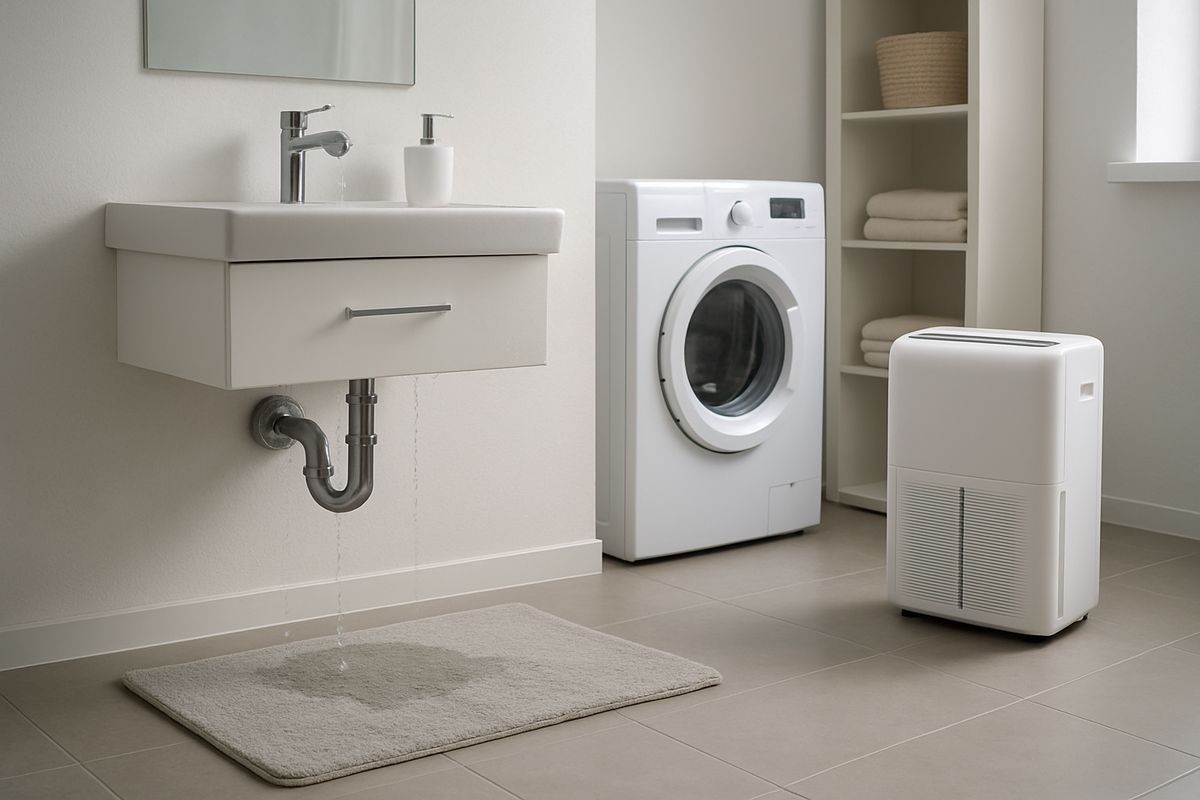
Seal Entry Points So New Roaches Don’t Replace the Old Ones
Sealing matters most after the population is knocked down. If hundreds of roaches are already established inside a wall, caulk alone won’t save you. But once numbers are dropping, exclusion helps keep fresh roaches from replacing the ones you’ve eliminated.
This is especially important in attached housing and older homes with lots of penetrations.
Best Places to Caulk, Seal, and Screen
Focus on the gaps roaches actually use. Around plumbing pipes under sinks. Around wall penetrations behind toilets. At cabinet seams where pipes enter. Along loose baseboards. At backsplash gaps. Around utility openings behind stoves and refrigerators. Around windows with torn screens. Under exterior doors that need sweeps.
Done right, this turns a leaky structure into a less welcoming one. Done sloppily, it just looks busy.
Use caulk for narrow cracks, expanding foam only where appropriate for larger voids, and door sweeps or weatherstripping where light is visible. In basements, check where utility lines enter from outside. In condos and apartments, look at shared mechanical penetrations too.
Don’t Forget Shared Walls, Hallways, and Pipe Chases
This is the part many renters can’t fully control. In apartments and condos, roaches don’t respect unit lines. They move through pipe chases, electrical penetrations, under hallway doors, shared plumbing walls, laundry rooms, and trash areas.
So yes, seal what you can inside your unit. But understand the limit. If neighboring units remain active, reinfestation pressure stays high. In those cases, building coordination matters more than ultra-detailed cleaning in one kitchen drawer.
Remove Clutter and Hidden Harborage
Roaches need more than crumbs and moisture. They also need cover. Tight, dark, protected spaces make them feel safe, and clutter multiplies those spaces fast.
That’s why cardboard, paper bags, overstuffed cabinets, and random storage piles make prevention harder.
High-Risk Hiding Places Inside the Home
Look under sinks, behind refrigerators, under dishwashers, inside motor housings, behind microwave stands, and in cluttered pantry corners. Utility closets packed with paper products or old boxes are another common harborage.
Cardboard is a favorite. It holds warmth, offers creases, and often arrives from storage rooms, loading docks, or delivery routes that already had pests. Swap it out for sealed plastic bins where you can.
The same goes for bags of cans, stacks of takeout menus, and unused appliances shoved into cabinets. Roaches love what you forget.
Brown-Banded Roach Hot Spots People Miss
Brown-banded roaches deserve their own warning here because they break the usual pattern. They often hide high and dry, not low and damp.
Check upper cabinet tops, the backs of framed pictures, curtain hardware, closet shelves, smoke detector areas, electronics, cable boxes, routers, and warm storage spaces above eye level. If you only inspect under sinks, you can miss them for weeks.
That odd behavior is one reason some infestations seem to “come out of nowhere.” They were there all along, just living in places people don’t usually inspect.
Use Monitoring to Catch a Reinfestation Early
Monitoring is one of the easiest, cheapest, and most underused parts of roach prevention. Sticky traps are not a full solution by themselves, but they are excellent at telling you what’s happening when your eyes can’t.
Think of them as evidence, not decoration.
Where to Place Monitors and What to Watch For
Place monitors where roaches travel, not in the middle of open floors. Good spots include under sinks, behind toilets, behind refrigerators, beside stoves, near dishwashers, in laundry rooms, in utility closets, and along walls near suspected entry points.
Trap counts matter over time. You’re looking for fewer captures each week, or captures shifting toward one remaining hot spot that needs extra attention. A monitor behind the fridge that goes from eight roaches to two to zero is good news. A monitor in the bathroom that stays active while the kitchen goes quiet points to a moisture or plumbing issue.
Monitoring is getting more common professionally too. Industry reporting says 35% of pest control companies are using digital monitoring tools, which makes sense because prevention gets easier when you can track patterns instead of guessing.
When a Few Roaches Means You Need a Follow-Up
A few sightings can be normal after service. Repeated sightings with no downward trend are not.
Call for follow-up if you’re still seeing live roaches regularly after the expected post-treatment window, if you’re seeing multiple size stages, if trap counts stall instead of decline, or if activity shifts into new rooms. Daytime sightings are especially concerning because they often mean the population is crowded enough that normal hiding spaces are overloaded.
For homeowners and managers weighing the next move, a professional follow-up plan for stubborn infestations makes more sense than trying three new products and hoping one sticks.
Apartment and Condo Roach Prevention Is a Building Issue, Not Just a Unit Issue
This is probably the hardest truth for renters to hear: you can keep a very clean unit and still get roaches if the building has bigger problems. Shared walls, trash handling, leaks, untreated neighboring units, and weak follow-up policies can undermine everything one resident does right.
That doesn’t mean your effort is pointless. It means prevention has to extend beyond your front door.
Why Roaches Move Between Units
Roaches move for food, water, shelter, and pressure. If one unit gets treated, they may move through wall voids and plumbing routes into another. If one tenant leaves trash in hallways or has chronic leaks, that unit can become a source for the floor. Laundry rooms, trash rooms, storage lockers, and basement utility corridors can all serve as staging areas.
In attached housing, this is why one clean kitchen is not always enough. Roaches can simply keep arriving.
If you’re dealing with this setup, what works in shared-wall buildings is different from what works in a detached house.
What Renters Should Report to Landlords Right Away
Be specific. Report where you’re seeing roaches, what time of day, whether they’re adults or small nymphs, whether you’ve found droppings or egg cases, and whether there are leaks or damp areas nearby. Mention activity in shared hallways, laundry rooms, trash areas, or basement storage if you’ve seen it.
Photos help. Trap counts help more. A short log with dates and locations is much more useful than “still seeing bugs.”
Keep the tone factual. You’re trying to trigger action, not win an argument.
What Property Managers Should Build Into Ongoing Prevention
Managers need a system, not scattered service calls. That means recurring inspections, coordinated treatment across affected units, fast repair workflows for leaks and gaps, and resident communication that explains what to do before and after service.
Contract language matters too. Current research is literally examining why cockroach-control efforts fail by reviewing pest-control contract language, resident participation, and sanitation levels. That tells you something: long-term outcomes are often decided by management process, not just product choice.
Trash room cleaning, door sweep replacement, and follow-up accountability should be baked into the plan, not treated as optional extras.
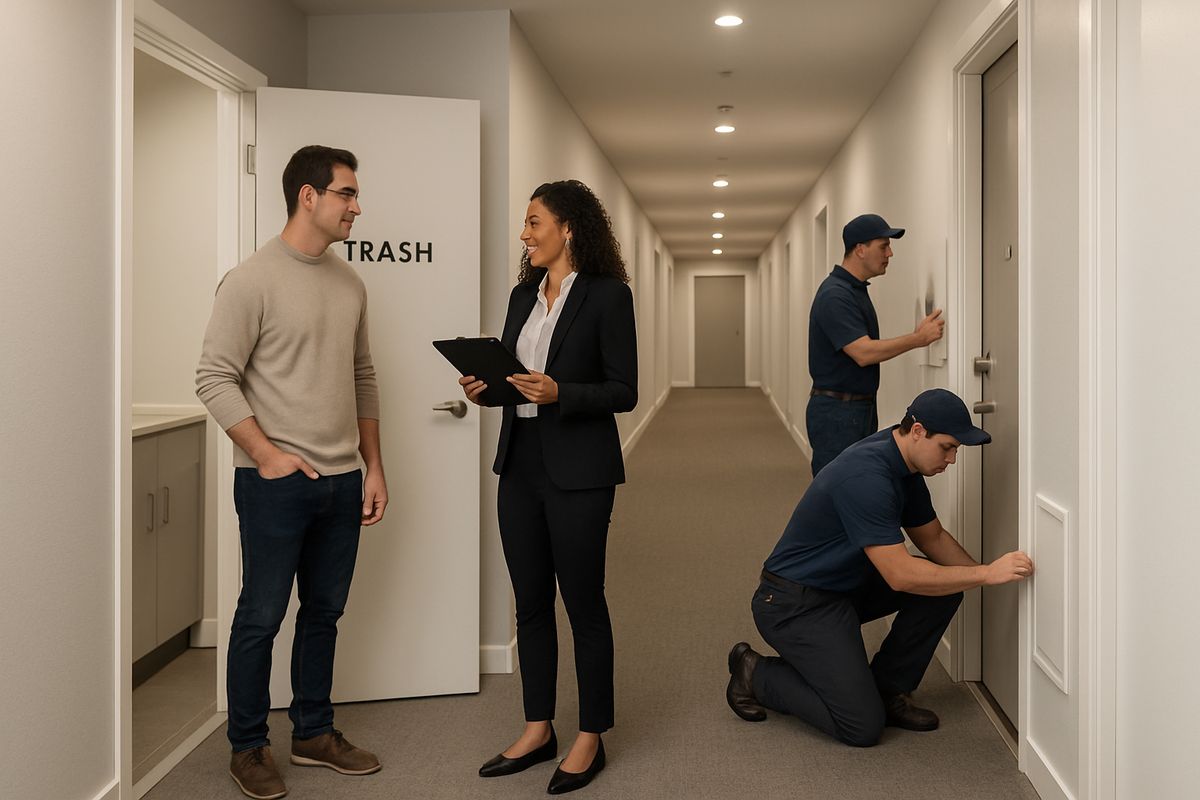
Cleaning Matters, but It’s Not a Magic Fix by Itself
People love to moralize roach problems. Too messy. Not clean enough. That’s not only unhelpful, it’s often wrong.
Sanitation helps a lot. But cleaning alone does not solve an established infestation. If roaches are breeding behind appliances, inside walls, or along shared plumbing routes, wiping counters won’t eliminate them.
Why Roach Prevention Is Also a Health Issue
This goes beyond disgust. Roach control is a health issue.
Research shows cockroaches can carry more than 30 kinds of bacteria, including E. coli and Salmonella. Roach allergens are also a major concern, especially in homes with children, seniors, or anyone with asthma. In fact, asthma rates among children living in cockroach-infested homes are 3 times higher.
The good news is that population reduction helps. North Carolina State researchers found that homes receiving extermination were generally rid of cockroaches and showed significant drops in allergens and endotoxins over six months. That matters, especially because small decreases in roach numbers were not enough to lower allergen levels. In other words, getting close is not the same as getting control.
Integrated Pest Management Usually Works Best
IPM works because it matches how roaches actually survive. They need food, water, hiding spots, and pathways. IPM attacks all four while using treatment in a targeted way.
That’s better than relying on endless chemical use. It also fits what many families want now, which is fewer unnecessary pesticides and better long-term results. If you have pets or small kids, it’s worth understanding how treatment plans are usually handled around animals at home, because prevention should be effective without creating new worries.
For cleanup after control improves, a HEPA vacuum can help too. The reason is practical: HEPA vacuums remove 99% of cockroach allergens, which makes them especially useful for kitchens, baseboards, vents, and dust-prone areas.
Seasonal Roach Prevention in the Chicago Area
Roach pressure is not exactly the same year-round. Chicago winters drive pests indoors. Spring and summer increase movement, breeding, and food-seeking behavior. Basements get damp. Garden units get humid. Plumbing sweats. Delivery traffic increases. Windows open more often.
So timing matters.
Spring and Summer: Get Ahead of Activity
Warmer weather usually means more pest movement and more calls. That lines up with broader search and service trends too. Yelp reported that project requests for pest extermination jumped 66% from February 2025 to March 2025, and requests for preventive pest control rose 57% in March 2025 and kept rising through summer.
That makes sense. Once the weather turns, small problems grow faster.
Tara Lewis from Yelp put it plainly: the best defense is getting ahead of it before a small issue becomes a big expense. For Chicago, Naperville, Schaumburg, and surrounding suburbs, that means sealing gaps, checking moisture, and scheduling service before obvious activity spikes.
Fall and Winter: Don’t Assume the Problem Is Gone
Cold weather does not magically end a roach problem. In fact, winter sightings often point to indoor breeding near heat sources, pipes, utility chases, and warm appliances.
That’s especially true in apartment buildings and older homes where basements, boiler rooms, and shared walls create stable indoor conditions. If you’re seeing roaches in January, the issue is probably not coming from your yard. It’s living with you, or very close to you.
DIY vs Professional Roach Prevention After Treatment
DIY has a role. It just has limits.
Most people can handle the maintenance side well enough. Fewer can accurately identify harborages, species, treatment interference, or building-level reinfestation routes. That’s where professional help starts to matter a lot more.
What DIY Can Handle Well
DIY is useful for the maintenance layer after treatment. You can seal food, empty trash promptly, dry sinks before bed, fix obvious drips, reduce clutter, place monitors, track sightings, and seal smaller accessible gaps.
You can also improve follow-up quality by documenting what you see. A technician who knows activity is behind the upstairs bathroom vanity and under the fridge has a much better starting point than one who hears “they’re kind of everywhere.”
When You Need a Pro Again
If you have repeated sightings, roaches in multiple life stages, daytime activity, fresh droppings, infestations in several rooms, or signs tied to neighboring units, bring a pro back in. The same goes for cases where store-bought products keep failing.
Honestly, this is where many people lose weeks. They keep trying “just one more thing” instead of recognizing that the infestation is deeper than surface-level cleaning and spray. When that happens, knowing when it’s time to bring in professional help can save money, frustration, and a much bigger infestation later.
Common Roach Prevention Mistakes That Backfire
Most prevention failures don’t happen because someone did nothing. They happen because someone did the wrong things very consistently.
That’s the annoying part.
Overusing Sprays, Foggers, and Random Home Remedies
Bug bombs are a classic example. They feel dramatic, so they seem powerful. In reality, they often miss the cracks and voids where roaches are hiding and can scatter activity deeper into walls or adjacent units.
The same goes for constant over-the-counter spraying, harsh homemade mixtures, and trendy gadgets. There’s also no good reason to trust ultrasonic devices here. Research found ultrasonic pest repellers showed no scientific evidence of efficacy in 80% of independent tests.
And those “essential oil” sprays people rave about online? Researchers are actively studying how popular over-the-counter essential oil products perform against German cockroaches, which tells you the evidence is hardly settled.
Ignoring the Hidden Source
Another big mistake is focusing only on what’s visible. You wipe counters, empty trash, and still have roaches because the source is actually behind the dishwasher, inside a wall void, near a leaky pipe chase, or in the apartment next door.
This is why roaches keep coming back in so many properties. Not because nobody cleaned, but because the actual harborage stayed intact.
Your 30-Day Roach Prevention Checklist After Treatment
A good plan beats good intentions. Here’s a simple way to handle the first month after treatment without overreacting or accidentally undoing the work.
First 48 Hours
Leave treated areas alone unless your technician told you otherwise. Don’t spray over bait. Don’t mop baseboard edges if you were told not to. Don’t move placements around.
Instead, watch. Note where you see activity, especially live roaches, dead roaches, droppings, or nymphs. Keep sinks dry overnight and remove open food sources.
Week 1
Reset sanitation. Clean grease, crumbs, and spills. Pull out small appliances if needed. Seal dry goods. Rinse recycling. Take out trash regularly. Reduce cardboard and paper clutter.
Now fix easy moisture issues. Tighten a loose trap connection, replace a worn sponge, dry damp mats, improve bathroom ventilation, and wipe plumbing condensation. Seal obvious accessible gaps around pipes and baseboards.
Weeks 2 to 4
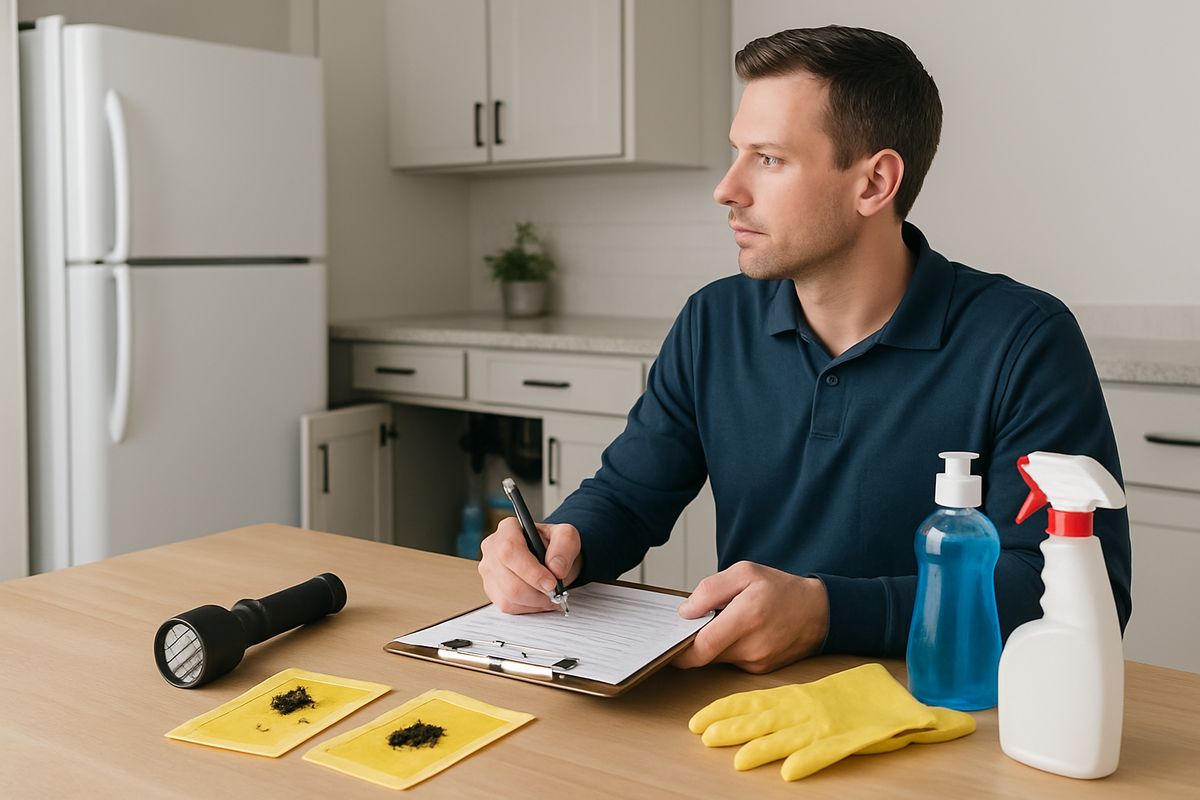
Check sticky traps every few days and log counts. You’re looking for a downward trend. If one area stays active, focus there. Continue the kitchen, bathroom, and trash routines that are actually helping.
By the end of this period, activity should usually be dropping clearly. If it isn’t, report specifics and schedule follow-up. For many households, a structured roach control program with ongoing follow-up is the difference between temporary relief and lasting control.
Signs Your Roach Problem Is Truly Under Control
People often expect a dramatic finish line. More often, control looks like a steady fade-out.
That’s good. Quiet progress is still progress.
What Improvement Usually Looks Like
At first, you may see more dead or sluggish roaches as treatment starts working. Then sightings become less frequent. Trap counts drop. Activity narrows to one remaining hot spot instead of several. Fresh droppings stop appearing in the same problem areas.
Eventually, you stop seeing new signs in kitchens, bathrooms, and utility spaces. That’s the point where prevention shifts from active response to maintenance.
Red Flags That Mean the Infestation Is Rebounding
Watch for fresh droppings, new egg cases, regular daytime sightings, and activity in multiple rooms after a period of improvement. Those are not minor signs.
Another red flag is a repeating pattern where things improve for a week or two, then quickly go back to baseline. That usually means a hidden source survived, a neighboring unit is reinfesting the area, or the post-treatment system was never fully put in place.
How to Choose Ongoing Roach Prevention That Actually Lasts
If you need recurring service, choose based on method and follow-through, not just price or speed. Cheap one-time sprays can cost more in the long run if they never solve the source.
You want a prevention plan built for the way roaches actually behave in real buildings.
Questions to Ask a Pest Control Company
Ask how they identify species, how they handle follow-up, whether they use bait-based strategies, how they monitor results, and what exclusion or repair recommendations they provide. Ask how they manage apartment or condo situations where shared walls matter.
Also ask what happens if activity continues. Is there a scheduled recheck? Are trap counts reviewed? Are property-wide factors considered?
If you’re comparing providers, the smartest questions to ask before hiring a local exterminator can make those conversations much more useful.
What a Good Prevention Plan Should Include
A solid plan includes inspection, species identification, targeted treatment, monitoring, sanitation guidance, sealing recommendations, and scheduled follow-up. In multi-unit housing, it should also include coordination across neighboring units and common areas when needed.
That combination is what lasts. Not hype, not one miracle product, not wishful cleaning.
Frequently Asked Questions
How long is it normal to see roaches after treatment?
A few sightings can be normal for days or even a couple of weeks, depending on the product used, the size of the infestation, and whether egg cases are still hatching. What matters most is the trend. You should see fewer roaches over time, not the same number every week.
Does cleaning alone prevent roaches from coming back?
No. Cleaning helps a lot, but it won’t eliminate roaches hiding in walls, appliances, drains, or neighboring units. The best results come from treatment, sanitation, exclusion, and monitoring working together.
Should I use store-bought spray after professional treatment?
Usually no. Spraying over bait or residual products can reduce their effectiveness and push roaches into harder-to-treat spaces. Follow your technician’s aftercare instructions instead of layering on random products.
What attracts roaches back after treatment?
Food residue, water leaks, clutter, cardboard, open trash, pet food left out overnight, and gaps around pipes or walls all help roaches survive or re-enter. In apartments and condos, neighboring units and shared plumbing routes can also drive reinfestation.
Are roaches more common in apartments than houses?
They can be, mainly because multi-unit buildings give roaches more ways to move and more places to hide. Shared walls, pipe chases, trash rooms, and untreated neighboring units make prevention harder unless the building has a coordinated plan.
When should I schedule another service visit?
Schedule follow-up if sightings are not clearly decreasing, if you see roaches during the day, if you find fresh droppings or egg cases, or if activity spreads into more rooms. Those signs usually mean the infestation needs more than routine cleanup and waiting.
Roach prevention works best when you treat it like maintenance, not a one-time event. If you want lasting control in a Chicago-area home, apartment, or multi-unit property, the right move is a prevention plan that combines treatment, cleanup, repairs, monitoring, and follow-up from people who know where roaches actually live.
References
- wkyt.com
- wifitalents.com
- news.ncsu.edu
- businessresearchinsights.com
- pctonline.com