
If your roach spray not working experience feels like a bad joke, you’re not imagining it. You spray, the roaches disappear for a day or two, then somehow they’re back in the kitchen at 2 a.m. This usually does not mean you picked the wrong can, it means the real problem is deeper than the spots you sprayed.
What It Means When Roach Spray Isn’t Working
When roach spray seems useless, the usual issue is not effort. It’s strategy. Most sprays only affect the roaches that come into direct contact with the product, and that leaves a lot of the infestation untouched.
Roaches are built for hiding. They squeeze into wall voids, behind refrigerators, under sinks, inside cabinet joints, and around pipe openings. So if you’re spraying baseboards, open floor edges, or the middle of the bathroom, you may be treating the room without treating the infestation.
The other piece is scale. A few visible roaches can actually point to dozens or hundreds hidden nearby. That’s why the problem can feel so frustrating. You kill what you see, but the source keeps going.
A quick reality check on spray-only control
Over-the-counter sprays rarely solve a full infestation, especially with German cockroaches in apartments, condos, and other multi-unit buildings. University guidance has pointed this out for years, including Illinois Extension’s note that DIY sprays and aerosols are likely to fail for German cockroach control.
Why? Because sprays tend to kill exposed insects, not the nest, not the egg cases, and not the hidden population behind your stove. In a Chicago apartment building, there’s another problem: roaches may also be moving through shared walls and plumbing chases. One can of spray cannot fix a building-wide issue.
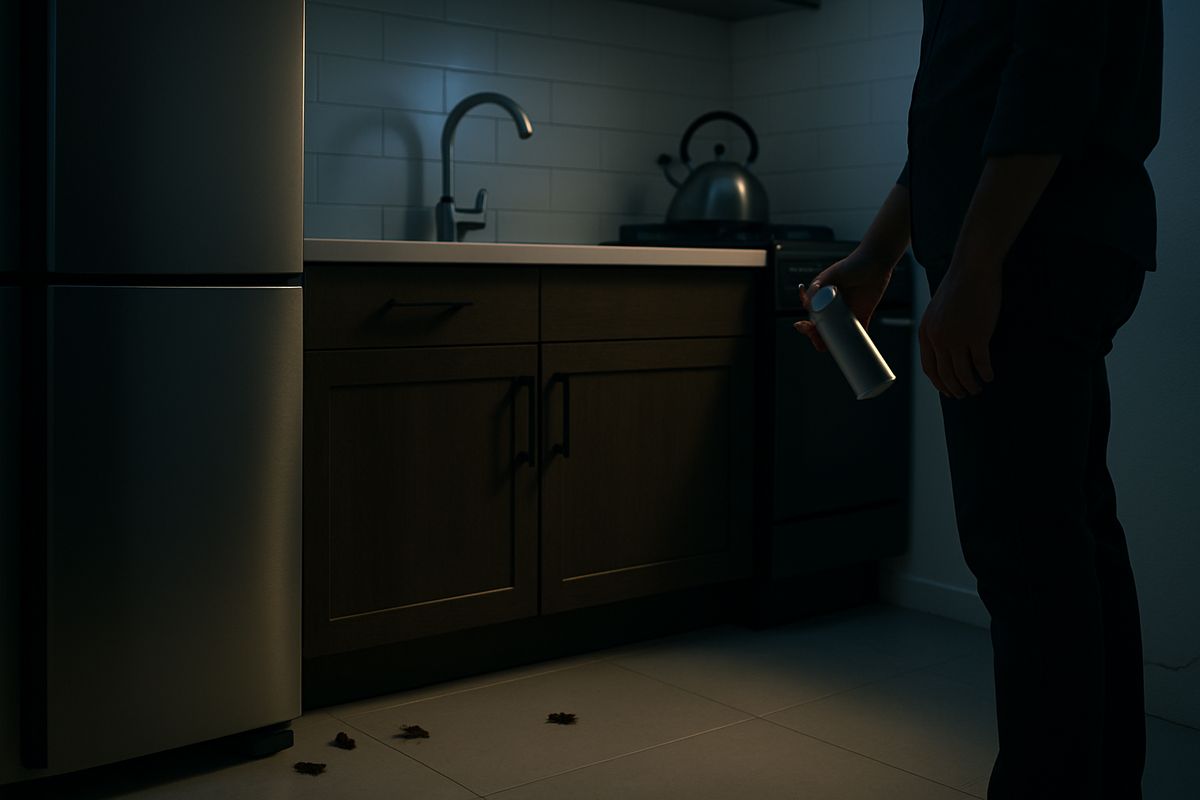
Why Roach Spray Fails So Often
Roach sprays fail for a handful of predictable reasons. Honestly, once you know them, the whole thing makes more sense. The problem is usually one of four things: the roaches avoid the treatment, survive the ingredient, get pushed into new hiding places, or keep reproducing faster than the spray can catch up.
The roaches may be avoiding the spray
Roaches do not hang out where people want them to. They stay close to food, moisture, warmth, and darkness. That means behind dishwashers, under refrigerators, around garbage pull-outs, beneath sinks, inside cabinet voids, and near plumbing penetrations.
Spraying exposed surfaces often misses all of that. It’s a bit like watering your driveway and wondering why the garden still looks dry. If the product never reaches where the roaches are nesting, results will always be spotty.
Some roaches are resistant to common insecticides
This is one of the biggest reasons people feel like sprays “used to work better.” Insecticide resistance means some roaches survive chemicals that once killed them. German cockroaches are especially known for this. Researchers and extension programs have repeatedly found that common spray ingredients do not reliably control them, especially in established infestations.
That’s why aerosol cans and foggers can be so disappointing. You may knock down a few insects, but the surviving population keeps breeding. If you’re seeing small tan roaches in kitchens or bathrooms, it’s worth learning how to spot the most common indoor problem in Chicago homes because species matters more than most people realize.
Spray can push roaches deeper into hiding
Some sprays repel more than they solve. Strong-smelling products can scatter roaches into wall voids, neighboring units, or deeper into cabinets and appliances. In attached housing, that can turn one visible problem into a building circulation problem.
This is especially common in apartments and condos around Chicago, where units share pipes, walls, and utility lines. You spray your kitchen, the roaches shift next door, then some of them come back later. Not exactly the win you were hoping for.
Egg cases and young roaches keep the cycle going
A lot of sprays do not fully break the life cycle. Adult roaches may die, but egg cases can survive and hatch later. Then suddenly, a week or two after treatment, you’re seeing tiny roaches again and thinking the product wore off overnight.
It didn’t, at least not in the way most people mean. The infestation simply kept moving through its next stage. That’s why control that only targets visible adults almost always feels temporary.
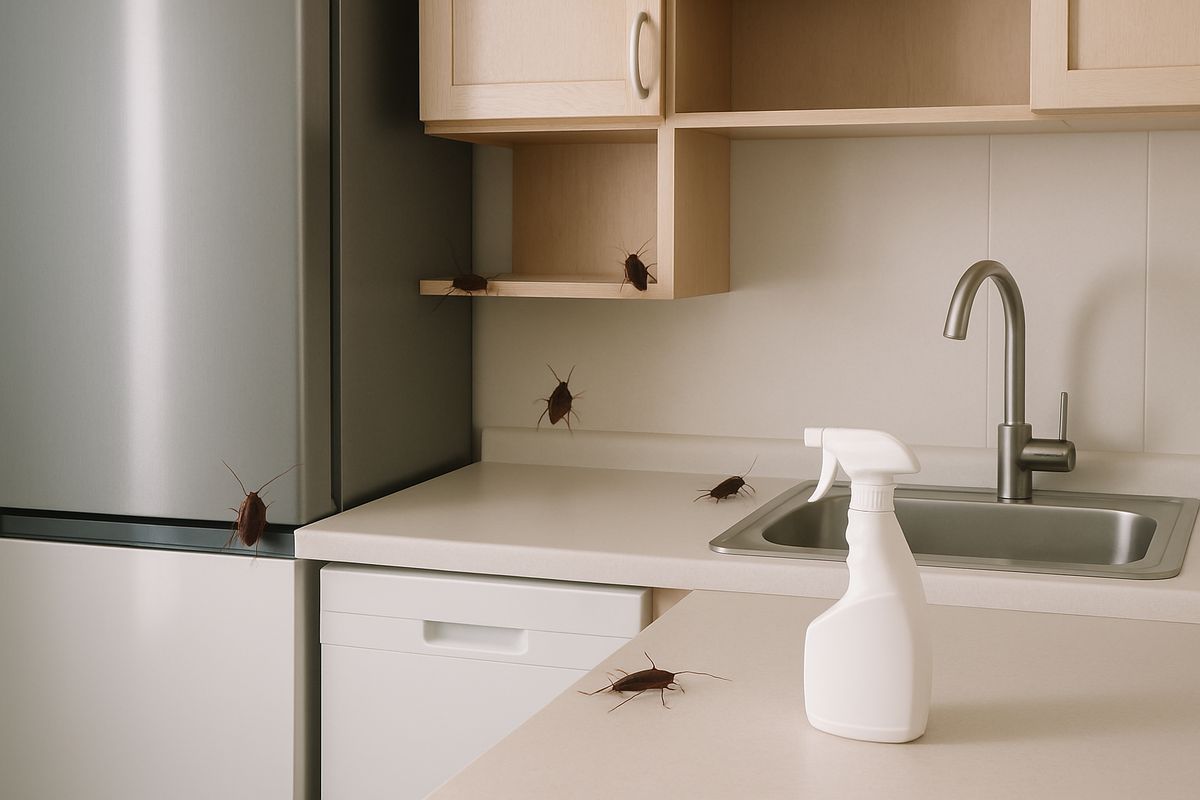
Common DIY Mistakes That Make the Problem Worse
Most DIY mistakes come from trying harder, not from being careless. People want fast results, so they spray more, add another product, then maybe toss in a fogger for good measure. The catch is that roach control punishes random effort.
Using foggers or roach bombs and expecting a full fix
Foggers mostly hit exposed insects. Roaches are rarely exposed for long. They’re tucked into cracks, under appliances, behind cabinets, and inside wall spaces where the fog does not reach well.
There’s also the downside of spreading pesticide residue broadly, including places you do not want it, like kitchen surfaces and stored items. Popular Science highlighted long-standing concerns about bug bombs and their limited usefulness. For indoor roaches, especially German roaches, foggers are usually more drama than solution.
Spraying too much, too often, or in the wrong places
More product does not mean better control. In fact, overapplying can make things worse by repelling roaches from treated zones, increasing exposure risks for kids and pets, and contaminating surfaces that should not be treated.
Kitchens are where this goes wrong fast. People spray under the toaster, around dishes, near pet bowls, or along countertop seams. That is not a smart trade. If you’re repeatedly spraying the same spots and still seeing activity, it’s time to stop treating the room like a chemistry experiment.
Mixing sprays, baits, and powders without a plan
This one trips people up all the time. Baits work because roaches eat them and carry the toxic effect back to the group. But if you spray around or on top of bait placements, roaches may avoid the bait entirely.
Random product stacking also makes it harder to tell what is helping and what is hurting. If the issue feels familiar, this deeper look at why infestations keep bouncing back after store-bought treatments explains how DIY combinations often backfire.
Cleaning away the treatment too soon
Some products need time to remain in place and do their job. If you mop, wipe, or scrub treated areas right after applying them, you may remove the active residue before roaches contact it.
That said, this does not mean leaving pesticide everywhere. It means using the product exactly as labeled, in the right places, and not immediately washing those spots away. Label directions matter here. A lot.
The Type of Roach Matters More Than Most People Think
Not all roaches behave the same way. That sounds obvious, but it changes everything about treatment. Species affects where they hide, how fast they breed, what attracts them, and which control methods work best.
German cockroaches: the toughest indoor problem
German cockroaches are the small, light brown roaches most people find in kitchens and bathrooms. They breed fast, hide in tight spaces, and thrive around heat, moisture, and food. In apartments and condos, they are easily the most stubborn indoor roach issue.
They are also the least likely to be solved with spray alone. If you’ve ever opened a cabinet at night and seen small roaches scatter like spilled pepper with legs, that’s the kind of infestation that usually needs a more targeted approach than aerosol spray.
American and Oriental cockroaches: different source, different fix
The larger roaches are often a different story. American and Oriental cockroaches may come from basements, drains, crawl spaces, alleys, sump areas, or sewer-related moisture zones. In older Chicago-area homes and garden-level units, that’s a common setup.
So the source may not be your countertop at all. It may be a damp basement corner, a floor drain, a gap around plumbing, or an exterior harborage area. If you’re not sure which one you’re seeing, this guide to telling Chicago-area roaches apart quickly can save you a lot of guesswork.
Conditions in the Home That Keep Roaches Coming Back
Sometimes the spray is not the main failure. The environment is. If roaches still have food, water, and safe hiding spots, treatment becomes a short-term bandage.
Food and grease build-up give roaches another option
Crumbs under the stove, pet food left out overnight, grease on the sides of appliances, sticky pantry spills, and trash residue all give roaches easy meals. And if they have easy meals, they are less likely to explore treated areas or feed on bait.
This is why a “pretty clean” kitchen can still support roaches. They do not need much. A thin film of grease behind a range is basically a buffet to them.
Moisture is a huge driver, especially in kitchens and bathrooms
Roaches need water. A slow drip under the sink, sweating pipes, damp utility rooms, humid basements, leaking faucets, and wet mop closets all help them survive. In older Chicago properties, especially garden units and buildings with aging plumbing, moisture is a huge part of the story.
That’s one reason infestations can persist even when residents are cleaning constantly. If the water source stays, the roaches stay too.
Clutter and shared walls create safe harborages
Cardboard boxes, crowded cabinets, stacked storage, paper bags, and cluttered utility spaces create perfect hiding zones. Roaches like tight, protected spaces where they can stay close to food and moisture.
In apartments and condos, shared walls make things harder. Roaches may move between units through pipe penetrations, electrical lines, and wall gaps. One resident spraying consistently may still lose ground if the surrounding units are untreated. That’s where building-wide apartment roach issues with shared walls become a much bigger factor than most renters expect.
What Actually Works Better Than Spray Alone
This is the part most people want right away: what should you do instead? In many indoor infestations, the better answer is a combination of baiting, growth regulation, monitoring, sanitation, and targeted crack-and-crevice treatment.
For local service options, many homeowners and property managers start with professional roach control in the Chicago area when spray-only attempts have clearly stalled.
Gel baits and bait placements
Gel baits often outperform sprays for indoor roach infestations, especially German roaches. Instead of trying to hit roaches directly, bait gets them to feed and carry the effect back to hidden harborages.
Placement matters. Bait should go near activity zones, such as hinge areas, cabinet joints, under sinks, near appliance motors, and around plumbing access points. Not in the middle of the floor, and not smeared everywhere.
Insect growth regulators (IGRs)
An insect growth regulator, or IGR, interrupts roach development and reproduction. In plain English, it helps stop the next generation from maturing normally. That matters because infestations keep going when the breeding cycle stays intact.
IGRs are not flashy. You do not spray one and watch roaches drop instantly. But paired with bait and targeted treatment, they help break the cycle that makes infestations feel endless.
Monitoring with sticky traps
Sticky traps are simple, but they’re useful. They show where roaches are active, which rooms are worst, and whether treatment is actually reducing activity over time.
They also keep you from guessing. A trap behind the fridge tells you more than a random midnight sighting ever will. Homeowners, renters, and property managers all benefit from that kind of proof.
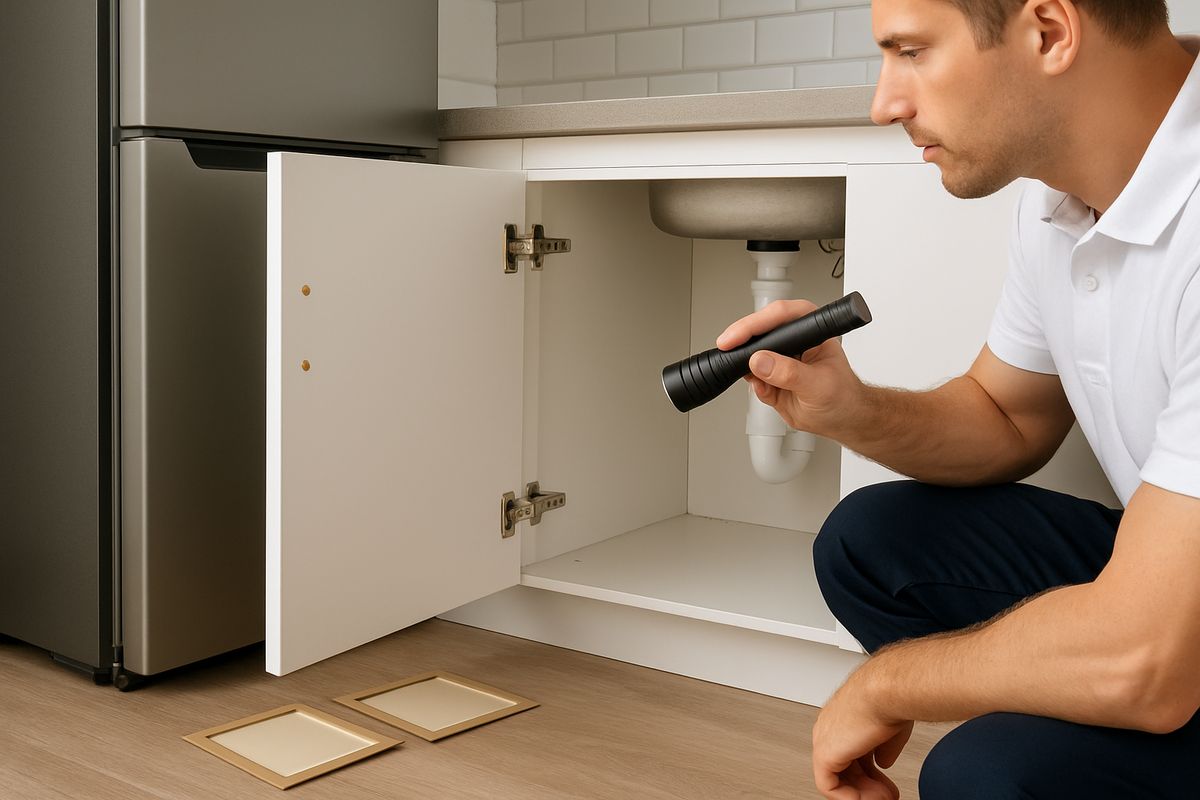
When DIY Stops Making Sense
There’s a point where do-it-yourself treatment stops being practical and starts burning time, money, and patience. If the infestation is established, or if the building itself is part of the problem, professional treatment is usually the faster route.
Signs you’re dealing with a larger infestation
Daytime roach sightings are a big red flag. So are roaches in multiple rooms, repeated activity after treatment, droppings that look like pepper or coffee grounds, musty odor, and roaches showing up inside appliances.
Those signs usually mean the population is well established. At that stage, it’s not about killing a few wanderers. It’s about finding nesting zones and cutting off the cycle at the source.
Why multi-unit buildings need coordinated treatment
In apartments, condos, and mixed-use properties, one unit rarely tells the whole story. Roaches can move through common walls, shared plumbing, trash areas, hallways, and utility spaces. If neighboring units are infested, one person’s spray will not fix the source.
Property managers run into this all the time. Tenants treat one kitchen, activity shifts, complaints pop up elsewhere, and the problem never fully clears because the response was not coordinated.
When to call a professional exterminator in the Chicago area
If you suspect German cockroaches, keep seeing roaches after repeated treatments, manage a rental property, or are dealing with kitchens, shared housing, or restaurant-adjacent buildings, professional help is usually the smartest move. This is especially true if you need answers fast and cannot afford trial and error.
A good next step is reviewing when it makes sense to bring in a pro instead of trying another DIY round, then comparing that with local service options like Midwest Pest Solutions roach treatment.
What a Professional Roach Treatment Does Differently
Professional treatment is not just stronger spray. That’s the short version. The difference is inspection, identification, targeted application, and follow-up.
Inspection, identification, and source tracking
A professional starts by figuring out what species you have, where they’re nesting, what moisture sources are feeding the problem, and how they may be moving through the structure. That includes checking behind appliances, under sinks, around plumbing, inside utility spaces, and in the areas most DIY attempts miss.
This matters because the right treatment for German roaches is not the same as the right treatment for larger roaches coming from a basement or drain line.
Targeted products and follow-up visits
Pros usually use a combination of bait, dust in the right voids, crack-and-crevice treatment, monitors, and growth regulators. The goal is not to “spray harder.” It’s to place the right materials where roaches actually live and travel.
Follow-up is a big part of success, too. Roach control is a process. A serious infestation often needs reassessment, fresh baiting, trap checks, and adjustment based on what activity looks like after the first visit.
Questions People Ask When Roach Spray Isn’t Working
Why do I still see roaches after spraying?
Because the spray probably did not reach the whole infestation. Hidden roaches, surviving egg cases, and activity from nearby units can all keep sightings going. A few dead roaches after treatment does not always mean the source is gone.
Does seeing one roach mean I have an infestation?
Not always, but context matters. One large roach from a basement or drain area may be occasional. Repeated sightings, daytime sightings, or small tan roaches in kitchens usually deserve quick attention because those often point to indoor nesting.
Is it safe to keep spraying around kids and pets?
Repeated DIY spraying can create exposure risks without solving the problem. Always follow the label, avoid overuse, and never treat food-contact surfaces improperly. If safety is a concern, especially with children or animals in the home, read more about how families handle treatment safely around pets.
What should I do right now before the exterminator arrives?
Reduce clutter, clean crumbs and grease, fix obvious leaks, empty trash, and avoid over-spraying. Keep a simple list of where and when you’re seeing activity. That gives the technician a head start and usually leads to better results.
Frequently Asked Questions
Why is my roach spray killing some roaches but not all of them?
Because it’s usually only hitting the exposed ones. The hidden population may still be living behind appliances, inside walls, or under sinks. Egg cases may also hatch after the visible adults die.
Do roaches get used to spray?
Yes, some do. That’s insecticide resistance, and German cockroaches are especially known for it. A product that worked years ago, or even in another building, may not work well on the population in your home now.
Should I keep spraying every day until they’re gone?
No. Repeated spraying often repels roaches, contaminates bait placements, and increases exposure without fixing the source. If daily spraying is the only thing keeping them down for a few hours, that’s usually a sign you need a different approach.
Why are roaches worse after I sprayed?
They may not actually be worse, but they can seem that way because the spray disturbed them and pushed them out of hiding. In some cases, repellent products scatter them into new areas, including neighboring rooms or units.
What works faster, bait or spray?
For many indoor infestations, bait works better than spray because it reaches hidden roaches through feeding behavior. Spray can kill on contact, but contact-kill alone rarely clears a full infestation.
How do I know if it’s time for professional help?
If you’re seeing roaches in daylight, in multiple rooms, inside appliances, or after repeated DIY treatment, it’s time. At that point, a targeted inspection and treatment plan is usually cheaper than buying more products that do the same disappointing thing.
If roach spray has stopped working, don’t keep throwing cans at the problem. A smarter mix of identification, targeted treatment, and building-level control is what actually moves the needle.