
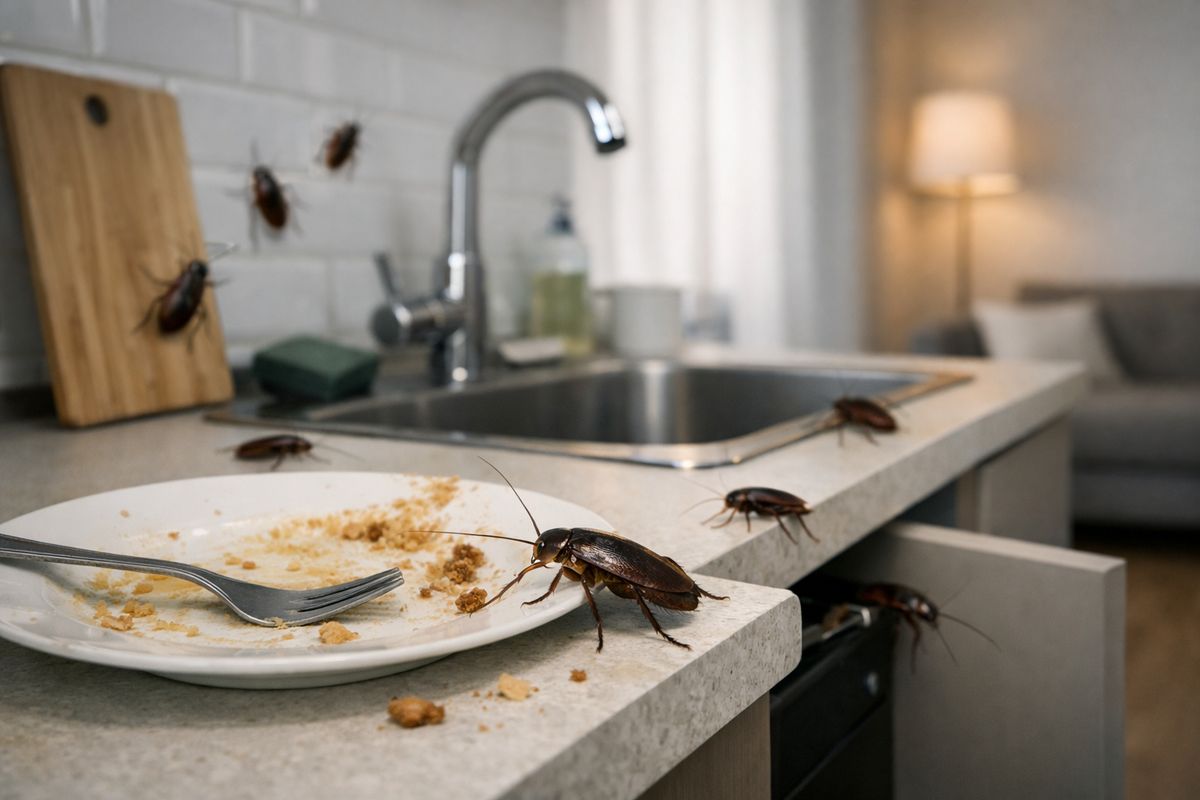
That late-night kitchen light flip is a terrible way to find out you have a roach problem. If you searched for roach infestation apartment, here’s the plain answer: in an apartment, roaches are usually not a one-unit problem, and waiting almost always makes it worse.
A roach infestation means roaches are living, feeding, and breeding in or around your unit, not just wandering through once. In apartments, that often starts in kitchens and bathrooms, then spreads through walls, plumbing gaps, vents, and shared utility openings. This guide covers how to tell how bad it is, what to do tonight, how to deal with a landlord or property manager, and what kind of treatment actually works.
What you’ll learn:
- How to tell if it’s an infestation
- Where apartment roaches usually hide
- What to document right away
- What to tell your landlord
- What cleaning helps, and what doesn’t
- Why baits beat random sprays
- When to call an exterminator
- How to keep roaches from coming back
Spot the Problem Early: What Counts as a Roach Infestation in an Apartment
If you saw one roach near the sink at 11:30 p.m. in a Chicago apartment bathroom or under the stove in Naperville, treat that as a warning, not a fluke. That is especially true if the roach was small, tan, and fast.
One roach is often not “just one” in apartment buildings. German cockroaches, the species that causes the biggest apartment headaches, hide in tight spaces and come out mostly at night. By the time you spot one in the open, more are usually tucked behind cabinets, under appliances, or inside wall voids nearby. A single German roach is commonly an early warning of a bigger nearby population.
Here’s the part that matters most: this is a building problem, not a personal failure. A clean apartment can still get roaches because bugs move from neighboring units and follow water, warmth, and easy hiding spots. In multiunit housing, building-wide control is often the only approach that sticks.
Why Apartments Get Hit Harder Than Single-Family Homes
Apartments give roaches what free-standing homes often don’t, easy travel lanes between units. Shared walls, plumbing lines, electrical conduits, vents, baseboard gaps, hallway doors, trash rooms, and laundry areas all make it easy for roaches to move around. In dense buildings in Chicago neighborhoods, or in connected suburban complexes in Schaumburg, that movement can happen fast.
That’s why one untreated unit can keep feeding the problem for everybody nearby. Even if your place is tidy, roaches can come through the opening around a kitchen pipe, a gap behind the bathroom vanity, or the wall cutout behind the stove.
The Most Common Roach Hiding Spots
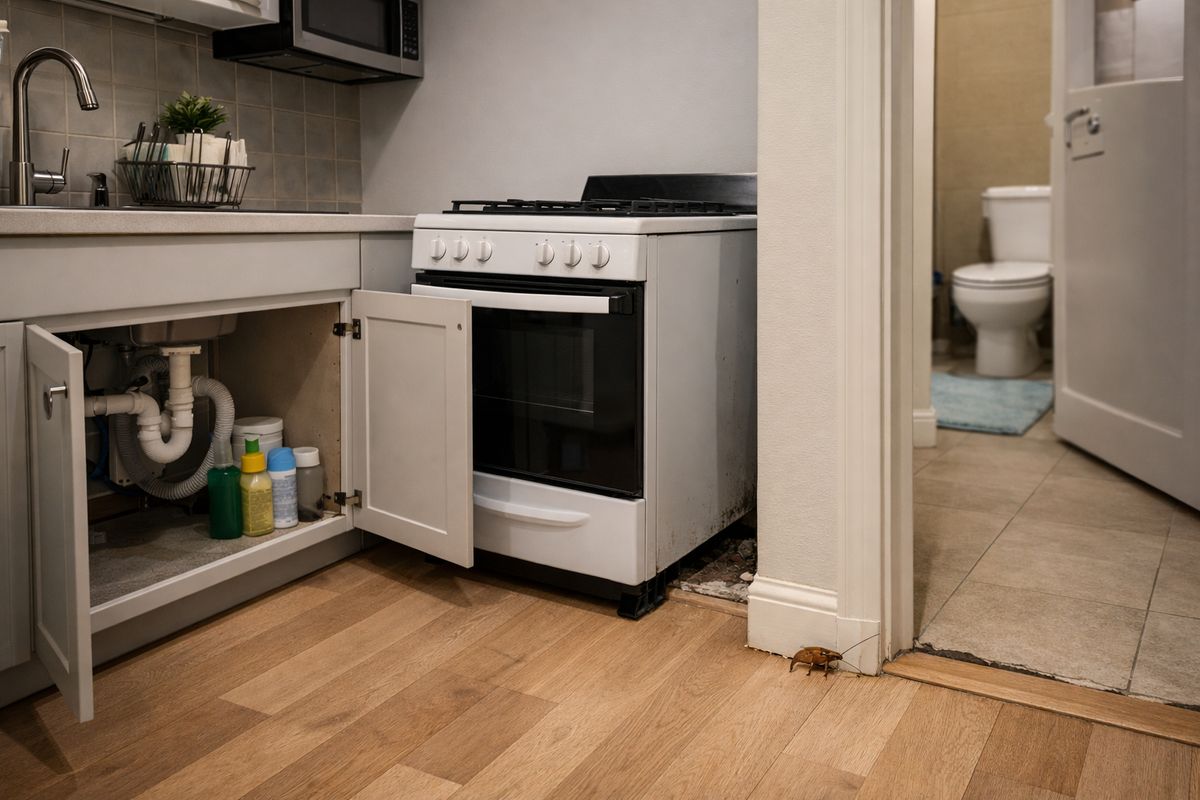
Start with the obvious places, kitchens and bathrooms. Roaches love the space under sinks, behind stoves and refrigerators, inside cabinet corners, around dishwashers, near water heaters, and along baseboards where crumbs or moisture collect.
But the spots you can’t see are often the bigger issue. Wall voids, utility chases, cabinet cutouts, and gaps around plumbing are classic harborage areas, which just means safe hiding and breeding space. If you’re only checking the open floor, you’re probably missing the real source.
Know the Signs Before the Problem Gets Bigger
Roaches are good at staying hidden until the population starts pushing out of the shadows. So instead of waiting for a dramatic sighting, look for the quieter clues.
If you want a deeper breakdown of the indoor clues that point to active activity, that can help you compare what you’re seeing room by room. For now, focus on the signs that usually mean you’re past the “occasional bug” stage.
Droppings, Smears, Shells, and Egg Cases
Roach droppings often look like black pepper, coffee grounds, or tiny dark specks in drawers, along shelf edges, or under the sink. Larger roaches can leave more cylindrical droppings, but in apartments, the small pepper-like stuff is common.
Smear marks show up where roaches travel often, especially in damp areas. You might notice brownish streaks along corners, cabinet seams, or near plumbing. Shed skins and egg cases matter too. If you find papery shells or small capsule-shaped egg cases in cabinets or behind appliances, that points to active breeding, not random visitors.
A Musty Odor and Daytime Sightings
A heavier infestation often has a stale, oily, musty smell. It’s not subtle once you notice it. Kitchens and bathroom cabinets tend to hold that odor because those are the places with the most moisture and food residue.
Seeing roaches in daylight is a bigger deal than most people think. Roaches prefer darkness. If you’re finding them during the day, hiding spots may already be crowded, which usually means the population is high.
When One Roach Means Many More
A big roach that wandered in from outside is one thing. A small tan roach in your kitchen is another story entirely.
German cockroaches are the ones that explode into larger infestations fast. According to the University of Kentucky, a single mated female can produce thousands of roaches in less than a year. That’s why delay is expensive, frustrating, and honestly unnecessary.
What To Do Right Away After You Notice Roaches
Panic is not useful. A simple plan is.
Tonight, document what you saw, set out a few glue traps, and stop leaving easy food or water around. Tomorrow, send written notice if you rent. This week, push for real treatment instead of trying ten random products from a hardware aisle.
Take Photos and Start a Simple Log
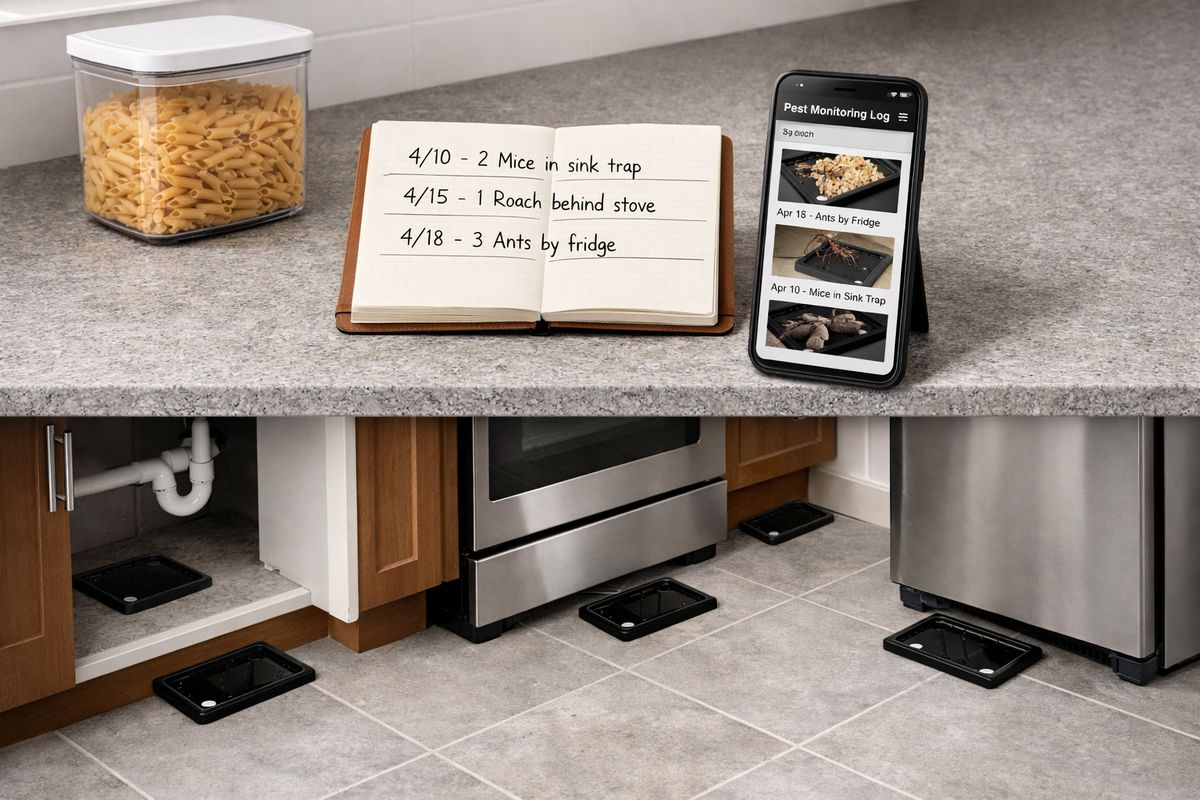
Take clear photos of live roaches, droppings, egg cases, smear marks, damaged food packaging, and any spots where activity keeps showing up. Then start a note on your phone or a simple document with dates, times, and locations.
Keep it boring and factual. “Two small tan roaches under kitchen sink, 10:45 p.m., May 28” is better than a long angry message. That kind of record gives you something concrete to send to a landlord or property manager, and it helps a pest professional spot patterns quickly.
Put Out Glue Traps to See How Bad It Is
Glue traps are a monitoring tool, not the whole fix. Still, they’re one of the easiest ways to see where pressure is highest.
Place them under sinks, behind the stove, near the refrigerator, along baseboards, and inside lower cabinets. Check them every few days. If several traps fill quickly, or if you’re catching roaches in multiple rooms, that points to a more established infestation. In apartment buildings, more than one unit should really be checked when the problem looks shared.
Avoid the Usual Mistakes
Skip foggers and bug bombs. They rarely reach the cracks and voids where roaches actually live, and they can drive bugs deeper into walls. The same goes for random repellent sprays used all over the apartment. Those often scatter roaches instead of wiping out the nest. The spray-and-fog approach is widely discouraged for apartment roach control.
Crushing one and moving on is not a strategy. Neither is spraying the baseboards every night and hoping for the best.
Tell the Landlord or Property Manager Fast
This step gets delayed all the time, and that delay is one reason apartment infestations get ugly. Early reporting matters because roaches do not stay politely inside one kitchen.
In rentals, send written notice as soon as you have evidence. Email is fine. A tenant portal is fine. Just make sure there’s a record with dates and photos attached.
What To Include in Your Written Notice
Keep your message simple. State when you first noticed roaches, where you’ve seen them, what signs you found, and what you attached. Mention trap results if you have them.
A short note works: “I first noticed small roaches in the kitchen on May 26. Since then, I’ve seen activity under the sink and behind the stove, plus droppings in the lower cabinet. Attached are photos and trap counts.” That gives management something specific to act on.
Why Building-Wide Treatment Matters
Treating one apartment by itself often fails because roaches keep moving through shared spaces. That’s the catch with apartments. If neighboring units, trash rooms, wall chases, or common areas aren’t addressed, the problem can keep cycling back.
The most effective answer is coordinated treatment across affected units and shared trouble spots. If you’re dealing with recurring infestations in a building, this guide on what managers should set up in multiunit properties explains the larger process.
If the Problem Keeps Getting Ignored
Follow up in writing. Save every message, every photo, and every trap count. Review your lease, local housing guidance, and any city or county complaint options that apply to your area.
Keep the focus on sanitation and health concerns, not emotion. Roaches contaminate surfaces, and in multiunit housing the responsibility often shifts beyond one apartment once multiple units are involved.
Clean Smarter: What Actually Helps Before and During Treatment
Cleaning helps. Cleaning alone does not solve an established infestation.
That distinction matters because a lot of people end up exhausted, embarrassed, and still stuck with roaches. The goal is not to deep-clean your apartment into perfection. The goal is to remove easy food, moisture, and hiding space so treatment works better.
Cut Off Food Sources
Store dry goods in sealed containers if you can, especially cereal, flour, rice, pet food, and snacks in flimsy packaging. Wipe grease from the stove, backsplash, and nearby cabinets. Clean crumbs from drawers, cabinet corners, toaster trays, and under small appliances. Rinse cans and bottles before tossing them in recycling.
Don’t leave pet food out overnight, and try not to leave dirty dishes sitting until morning. Roaches need surprisingly little to get by. A few drops of grease behind a coffee maker can keep them interested longer than you’d think. For a practical look at treatment methods that actually shut infestations down, the pattern is the same every time: remove food competition so bait and monitoring can do their job.
Cut Off Water and Moisture
Water is often the bigger driver. Fix dripping faucets, empty standing water under sinks, wring out wet sponges, and deal with slow drains. In bathrooms, dry up puddles, improve ventilation, and watch for condensation around pipes and toilet supply lines.
Kitchens and bathrooms are priority hotspots because they combine food and moisture in a tight area. That’s why even a nice, clean apartment can still have roach pressure if a cabinet leak has been dripping for weeks.
Reduce Clutter Without Turning Your Apartment Upside Down
Cardboard boxes, paper grocery bags, stacked mail, and jammed storage corners give roaches shelter and make treatment harder. You do not need to empty every closet in one weekend. Start with the worst spots, under-sink cabinets, pantry shelves, and any pile of paper or boxes near warm appliances.
Think of clutter like extra seating at a packed restaurant. The more hiding places available, the easier it is for the infestation to spread and stay hidden.
Skip the Spray-and-Pray Approach: What Works Better
Integrated Pest Management, usually shortened to IPM, is the strategy that works best in apartments. In plain English, that means using a mix of monitoring, cleaning, moisture control, sealing gaps, and targeted baiting instead of relying on broad spraying.
It works because it fixes the source, not just the bugs you happen to see crossing the floor.
Why Baits Usually Beat Sprays in Apartments
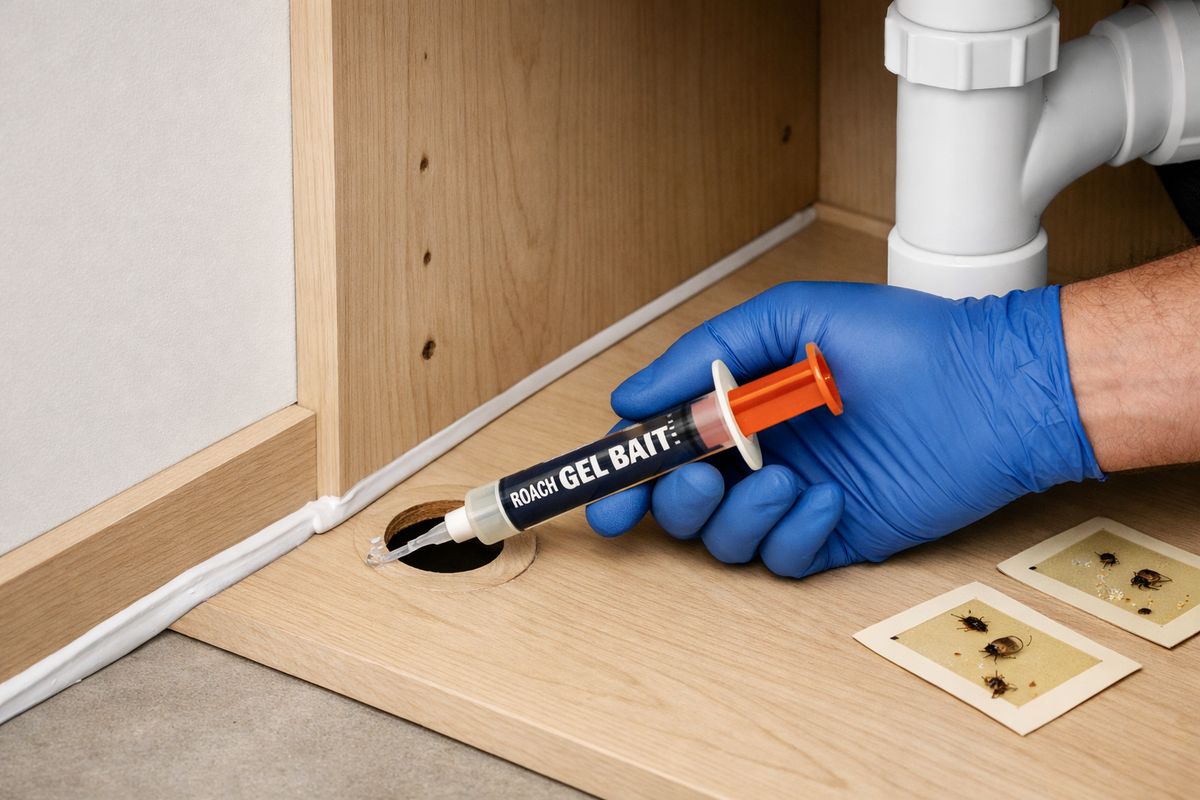
Bait gels and bait stations work by getting roaches to feed and carry poison back into hiding areas. Non-repellent approaches are usually more effective in apartments because they don’t push roaches deeper into walls or into nearby units.
Results in apartment studies back this up. In one long-running building study, baiting plus cleaning and education cut German cockroach populations by 94 percent after 90 days, while baiting alone performed much worse early on. That lines up with what pest pros see every day: bait works best when food competition is reduced and follow-up is built in.
If you’re trying to understand what professional service usually includes from inspection to follow-up, that fuller process is why good treatments last longer than a one-time spray.
Sealing Gaps and Entry Points
Seal cracks around pipes, cabinet cutouts, baseboards, backsplash gaps, and electrical penetrations. Caulk works well for many small openings. Foam or copper mesh may help in bigger utility gaps, depending on the location.
Sealing alone won’t solve an active infestation. But once treatment starts lowering the population, sealing slows movement between units and makes re-infestation less likely.
Why Follow-Up Visits Matter
Eggs hatch later. Hidden pockets survive. Bait dries out or gets eaten. That’s normal.
A real apartment roach plan includes rechecks, fresh traps, and adjusted bait placement over time. If you’re told one visit will permanently solve a long-running apartment infestation, be skeptical. That’s also why roaches can show up again after a rushed first round.
When To Call a Professional Exterminator
If you’re seeing repeated activity, daytime roaches, baby roaches, or signs in more than one room, professional help is the right move. Apartment infestations usually need more than DIY products because the source is often hidden and shared.
For local context and service details, professional roach control is built around inspection, targeted treatment, and follow-up, not just a quick spray and a receipt.
Signs the Infestation Is Beyond DIY
Frequent sightings are enough reason. So are baby roaches, activity in both kitchen and bathroom, roaches seen in daylight, neighbors mentioning the same issue, or glue traps filling quickly.
Another big sign is repeat activity after multiple store-bought attempts. If the problem keeps moving from one cabinet to another, or from kitchen to bathroom, DIY has probably hit its limit.
What a Good Apartment Roach Service Should Include
A good service should include inspection, species identification, trap monitoring, targeted baiting, and limited crack-and-crevice treatment where needed. You should also get practical sanitation guidance and at least one follow-up plan.
In apartment buildings, coordinated treatment of nearby units is a strong sign the job is being handled correctly. If you’re comparing companies, focus on experience, inspection quality, and follow-up, not just the lowest number on a quote. It also helps to know how to choose a company with the right credentials and process.
What Roach Treatment Usually Costs
Treatment cost usually depends on infestation size, layout, and how much follow-up is needed. Light infestations often run around $100 to $200. Moderate problems tend to land around $200 to $400. Heavy infestations can hit $300 to $700 or more per treatment. Catching it early keeps costs lower, which is one more reason not to wait.
Annual pest plans can make sense in buildings or homes with recurring pressure, especially if the goal is monitoring and prevention after a larger cleanup.
Protect Your Health While the Infestation Gets Fixed
Roaches are not just gross. They’re a health problem.
Cockroach debris, saliva, shells, droppings, and body fragments can trigger allergy and asthma symptoms, especially in sensitive households. Research from NC State also found that heavier infestations were tied to higher allergen levels in apartment homes, and that kitchens carried a bigger burden than bedrooms.
Why Roaches Are a Bigger Problem for Asthma and Allergies
If your home already deals with asthma or allergies, roaches can make symptoms worse fast. Droppings and shed material break down into dust and settle where you cook, store food, and move around every day.
That’s one reason fast elimination matters more than a small reduction. Cutting the population partway down may help visually, but lingering roach material can still irritate sensitive airways.
Keep Food, Dishes, and Prep Areas Safer
Wash counters regularly, store food in sealed containers, and avoid leaving dirty dishes overnight. Check under the microwave, toaster, coffee maker, and air fryer. Those spots collect crumbs and oil quietly.
Wipe prep areas before cooking, not just after. If roaches have been active, pay extra attention to pantry shelves, cabinet corners, and the spaces behind small appliances where dust and food particles collect.
What To Do if You Have Kids, Pets, or Sensitive Family Members
Ask what treatment methods are being used and where products will be placed. Keep bait placements inaccessible to kids and pets, and follow prep instructions closely. If you need more detail, this guide on keeping treatment safer around children and animals covers the practical questions to ask before service starts.
Calm, careful prep goes a long way here. You want the treatment to work and the household to stay comfortable while it does.
If You’re a Property Manager: How To Stop the Cycle
Roach complaints tend to repeat when treatment stays reactive. One complaint, one spray visit, one quiet week, then the same call again. That cycle wastes money and irritates everybody.
A better system treats the building like the shared environment it is.
Treat Adjacent Units, Not Just the Complaint Unit
Unit-only treatment often fails in apartment buildings. Check neighboring units, shared walls, utility lines, hallways, laundry rooms, trash areas, and mechanical spaces when activity keeps returning.
Roaches move through openings most residents never see. If the inspection stops at one front door, the infestation often doesn’t.
Standardize Inspection, Monitoring, and Follow-Up
Use traps consistently, document findings, schedule rechecks, and track which units or common areas flare up again and again. That kind of pattern matters more than one-time sightings.
The trick is consistency. A building gets better faster when the response looks like a process, not a scramble.
Pair Treatment With Resident Instructions
Clear prep instructions, leak repair, trash handling, and access for follow-up visits make treatment work better. So does plain communication. Residents need to know what to move, what not to spray, and when service is coming.
If you manage apartments, that coordination is the difference between lowering the population and actually breaking the cycle.
How To Keep Roaches From Coming Back
Once treatment starts working, prevention becomes maintenance, not punishment. You’re not trying to live in a spotless museum. You’re just making the apartment a harder place for roaches to settle in again.
Weekly Habits That Make a Real Difference
Wipe under the stove edge. Empty trash regularly. Dry the sink before bed. Vacuum crumbs from cabinet corners. Check glue traps now and then to see if activity is shifting or fading.
Small habits matter because roaches thrive on leftovers, moisture, and neglect. Take away the easy wins and the apartment gets much less attractive.
Problem Areas To Check Every Month
Once a month, look under-sink plumbing, pantry shelves, appliance gaps, bathroom cabinets, and entry points around pipes. This takes ten minutes and catches a lot.
You’re looking for fresh droppings, moisture, torn food packaging, new gaps, or a trap that suddenly has activity again. Early signs are easier to deal with than a full rebound.
What To Expect After Treatment
It’s normal to see some activity at first, especially if bait is working and hidden roaches are being pushed to move more. Numbers should start dropping over the next couple of weeks.
If sightings stay steady, spread to new rooms, or spike again after a short lull, ask for another visit. Persistent activity usually means more follow-up, better placement, or wider building coordination is needed. If service is scheduled soon, brushing up on how to get your apartment ready beforehand can make the visit more effective.
Your Next Move This Week
Place a few glue traps tonight. Take photos of what you find. Then send a written report to your landlord, or schedule a professional inspection if you own the unit.
That one step is enough to get momentum back on your side. Early action is the fastest way to get your apartment feeling like your apartment again.
Frequently Asked Questions
If you see one roach in an apartment, is that an infestation?
Usually, yes, or at least a strong warning sign. In apartments, one small roach often means more are hiding nearby, especially if it looks like a German cockroach and shows up in the kitchen or bathroom.
Can a clean apartment still get roaches?
Yes. Roaches move between units through pipes, wall gaps, vents, and shared utility spaces. Cleanliness helps reduce food and shelter, but it does not block migration from a neighboring unit.
Should you tell your landlord right away about roaches?
Yes. Report it in writing as soon as you notice activity. Include dates, locations, photos, and any trap results so there’s a clear record and a faster path to coordinated treatment.
Do bug bombs work for apartment roaches?
Usually not. Foggers and bug bombs rarely reach hidden harborages, and they can scatter roaches deeper into walls or nearby units. Targeted baiting and follow-up treatment work better.
How long does it take to get rid of a roach infestation in an apartment?
Light problems can improve quickly, sometimes within a couple of weeks. Established infestations usually take longer and often need multiple visits, monitoring, and cooperation between residents and management.
When should you stop trying DIY and call a pro?
Call a pro if you’re seeing repeated roaches, daytime activity, baby roaches, signs in multiple rooms, or traps filling fast. At that point, the infestation is usually established enough that professional treatment is the faster and cheaper path.