
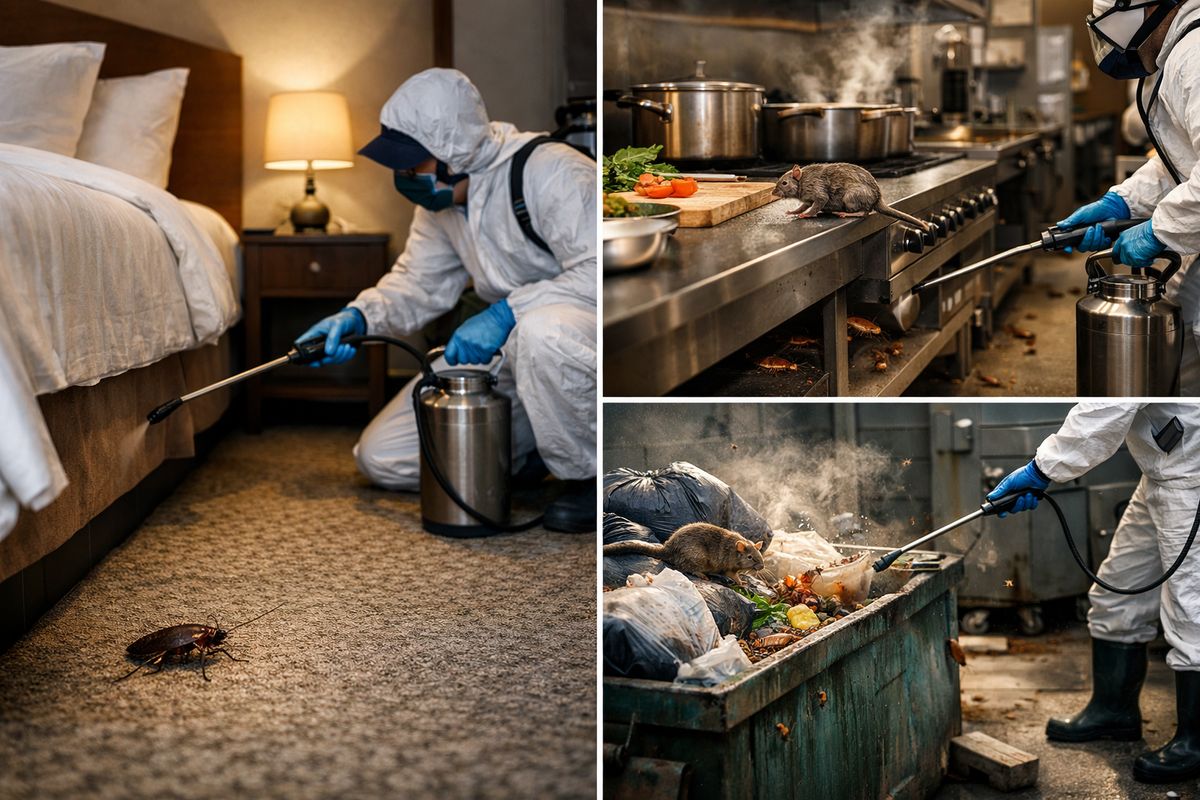
One pest sighting in a hotel can turn into three different problems at once: a guest complaint, a sanitation risk, and a bad review that lives online for years. Pest control for hotels works best when you stop thinking of the property as one building and start treating it as separate zones, because guest rooms, kitchens, and trash areas attract pests for completely different reasons.
Here’s the short version: hotel pest control is a prevention system, not just a spray service. A strong program uses inspection, sanitation, exclusion, documentation, and targeted treatment to catch bed bugs, roaches, rodents, flies, and ants before a small issue turns into a visible one.
Why Hotel Pest Control Has to Be Handled by Zone
If a bed bug shows up in a guest room, the damage is mostly about trust. If roaches show up near a prep line, the problem shifts fast into contamination and inspection trouble. If the dumpster pad out back stays wet and messy, the whole property keeps getting fresh pest pressure from the outside.
That’s why zone-based planning works. Your rooms need bed bug detection, your kitchen needs moisture and food-source control, and your waste areas need aggressive sanitation and exclusion. Trying to solve all of that with one generic treatment plan is like using the same key for every door. It won’t work.
The Main Risks Hotels Are Really Managing
Hotels are managing three stakes at once: guest confidence, health and sanitation exposure, and the cost of repeat infestations. Prevention is cheaper than scrambling after a complaint. That’s not a nice idea, it’s the rule.
Bed bugs are the clearest example. Orkin found that 80% of hotels had dealt with bed bugs in the prior year, and most hoteliers said prevention costs less than treatment. Once a guest sees something, the issue is no longer private. One Chicago hotel learned that the hard way when a bed bug video pulled 2.1 million views and its rating dropped sharply within days.
The Pests Most Hotels Keep Running Into
Guest rooms are the main battleground for bed bugs, which usually arrive with luggage and hide near sleeping or resting areas. Kitchens and humid service spaces tend to draw cockroaches, especially where grease, food residue, and leaks hang around after closing. Rodents stay close to food and waste, then move through door gaps, utility openings, and loading areas. Flies and ants often build pressure around drains, bars, trash rooms, and dumpsters.
If you want a fuller breakdown of the pests hotels deal with most often, it helps to study them by behavior, not just by name.
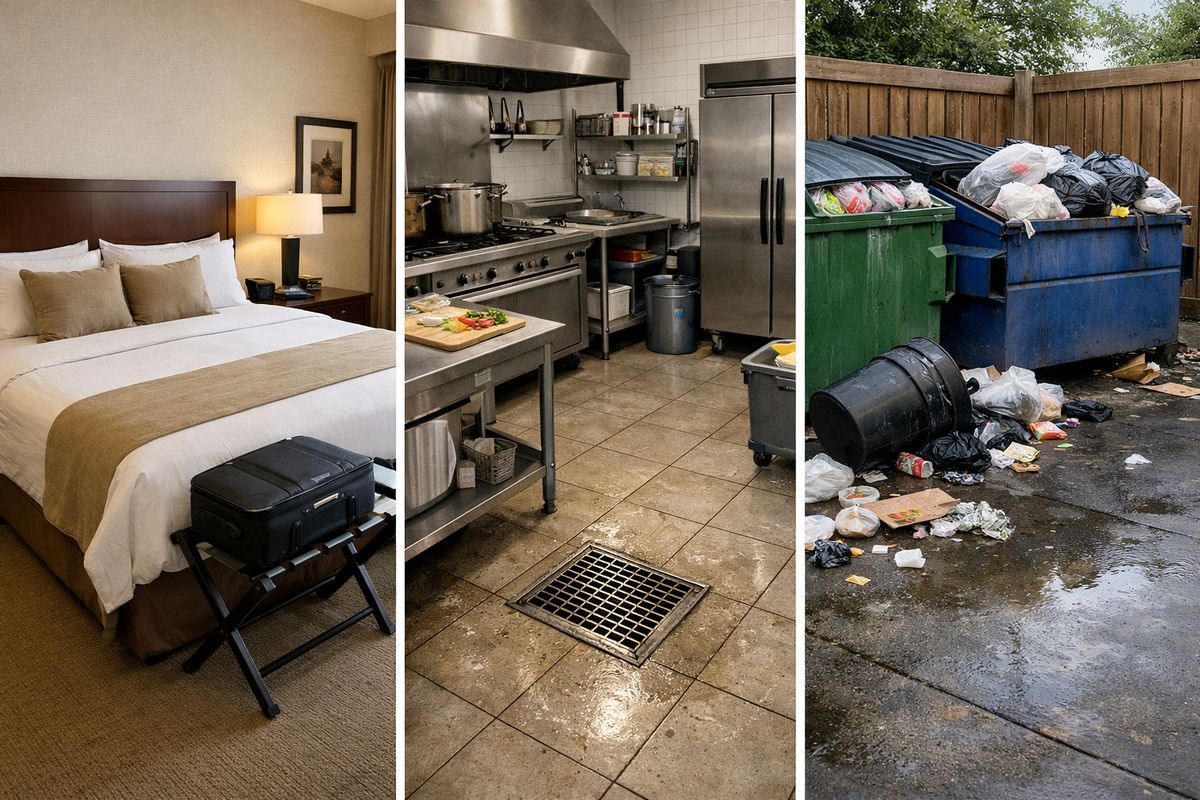
Build Your Hotel Pest Control Plan Around IPM
Integrated Pest Management, usually shortened to IPM, is a long-term system for controlling pests with the least wasted effort. In plain English, it means you inspect, fix the conditions attracting pests, track what you find, and treat only where the evidence says you should.
That approach is the backbone of effective pest control for hotels because routine spraying alone misses the real cause. If food, water, shelter, and entry points stay in place, the pests stay too.
What IPM Looks Like in a Hotel
In a hotel, IPM comes down to four working parts: monitoring, sanitation and exclusion, documentation, and targeted response. Monitoring means checking traps, logs, rooms, drains, and complaint patterns. Sanitation and exclusion mean cleaning hidden trouble spots and sealing the openings pests use to get in or stay hidden.
Documentation is where many properties slip. Vendor visits are not enough if sightings never become work orders, repairs, or follow-up inspections. Targeted response means treating the actual hotspot, not blanketing the whole property and hoping for a better month.
Why Documentation Matters More Than It Sounds
Good logs help you spot patterns before guests do. If the same ice machine, break area, or loading door keeps showing up in reports, that location is telling you something.
Here’s the thing: most pest problems do not arrive without warning. In one hospitality analysis, 83% of complaints had warning signs documented at least 30 days earlier. A report with no next step is just paperwork. If you want better proof that your program is actually working, trend notes and follow-up records matter as much as the treatment itself.
Guest Rooms: Your Front Line for Bed Bug Control
Bed bugs cause the fastest reputation damage, which is why guest rooms come first. And no, bed bugs do not mean a room is dirty. In hotels, introductions usually happen because travelers bring them in.
That matters because the solution is not shame or guesswork. It is early detection, fast isolation, and a consistent response every single time.
Where Bed Bugs Hide in Rooms
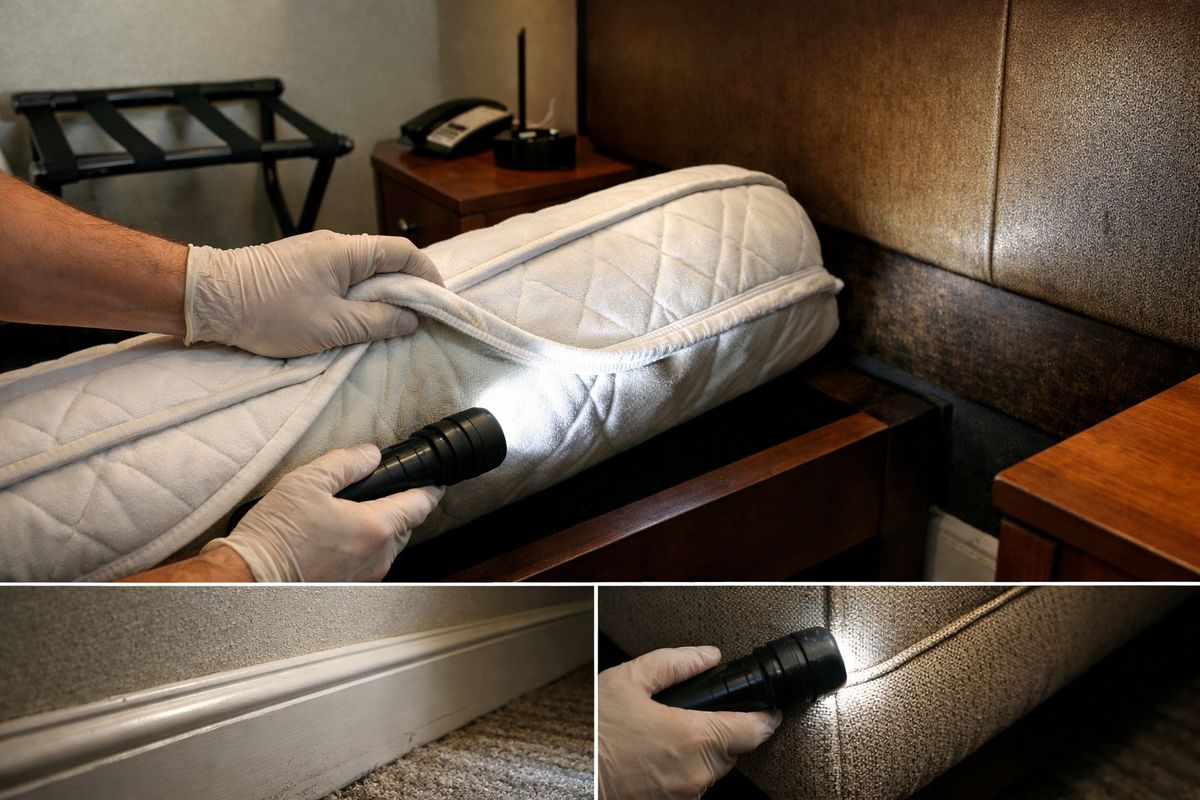
Bed bugs love tight, dark spots close to where people sleep or set belongings. That includes mattress seams, box springs, headboards, upholstered chairs, luggage racks, nightstands, baseboards, and cracks near the bed. Those hiding places are called harborages, which just means the narrow spots pests use to stay out of sight.
Regular inspection of mattresses, headboards, and furniture matters because a visible bug is often not the first sign. Dark spotting, shed skins, and tiny stains usually show up earlier.
What Housekeeping and Maintenance Should Check
Room checks should look for blood spots on sheets, dark fecal marks near seams, cast skins, live insects, and guest complaints about bites. Rotating inspections across occupied and recently vacated rooms catches more problems than waiting for an obvious infestation.
Housekeeping checks help, but housekeeping should not carry the whole load. Professional inspections, encasements, and a schedule that revisits rooms over time are far more reliable.
What to Do After a Guest Complaint
Take the room out of service immediately. Do not move soft items through halls or into clean storage until the room is assessed. Inspect the rooms beside, above, and below the complaint room, document every finding, and bring in treatment fast.
Then wait for clearance sign-off before reopening. That pause feels inconvenient, but reopening too early is how one room turns into a floor problem. If you are reviewing what a real service plan should spell out, bed bug response steps should be written down, not improvised.
Hotel Kitchens: The Cockroach and Rodent Battleground
Kitchens create a different kind of pest pressure. Bed bugs are mostly a trust problem. Roaches and rodents in food service areas are a contamination problem, an inspection problem, and often a repeat-infestation problem too.
If moisture and food debris stay in place, roaches will keep coming back. That part is simple.
Why Kitchens Attract Pests So Fast
Heat, water, grease, crumbs, drains, cardboard, and clutter all stack up in kitchens. Even a clean-looking kitchen can hide trouble behind equipment, under sinks, around floor drains, and inside wall voids.
Cockroaches especially thrive where water and residue stick around overnight. Rodents follow food deliveries, damaged storage, and open gaps that seem small until you notice gnaw marks.
The Biggest Hotspots to Check First
Start with floor drains, dish areas, under prep tables, dry storage, employee break spots, and gaps behind cook lines. The space behind a fryer is a classic one, especially after a busy Friday night when crumbs and a thin grease line build up where nobody sees it during service.
Those hidden areas matter because pests do not care what looks clean at eye level. Roaches settle where moisture and food stay undisturbed.
Kitchen Prevention Moves That Actually Help
Nightly deep cleaning has to include the hidden zones, not just open floors and counters. Leaks need repair fast. Dry goods should move into sealed containers. Stock rotation matters because old packaging becomes food, shelter, and sometimes nesting material.
Cardboard should not pile up in storage or prep areas. Cracks around pipes, walls, and equipment lines should be sealed. If you are dealing with repeat roach issues after treatment, the missing piece is often moisture control or missed harborages, not lack of pesticide.
Trash, Loading, and Exterior Waste Areas: Where Infestations Get Reinforced
Trash zones are where indoor problems get fed from the outside. Dumpsters, compactors, grease bins, and loading doors act like an open invitation for flies, rodents, and roaches.
Ignore this area, and your indoor program keeps fighting new arrivals.
What Makes Trash Areas High Risk
Odors, liquid spills, open lids, standing water, broken concrete pads, overgrown vegetation, and door gaps all raise pest pressure. Pests often start near waste and work inward. That outside-in pattern shows up again and again in hotels.
A messy dumpster enclosure is not just ugly. It is a staging area.
How to Reduce Pressure From Dumpsters and Compactors
Keep lids closed, schedule pickups often enough to prevent overflow, and clean spills before they dry into residue. Fix drainage problems so water does not pool near bins or pads. The trick here is simple: a clean dumpster pad matters almost as much as the dumpster itself.
Compactors and grease bins need the same attention. If the surrounding ground stays wet and sticky, flies and roaches will keep cycling back.
Stop Pests at the Entry Points
Door sweeps, weather stripping, screened vents, dock seals, pipe gaps, and utility penetrations all deserve attention. This is especially true for rodents. If bait stations keep showing heavier activity over repeated visits, the answer is not just more bait. It is structural exclusion.
Train Your Staff So Small Signs Don’t Get Missed
Even a good program falls apart if warning signs get noticed and then go nowhere. Your team does not need to become insect experts. Your team just needs to know what to notice, where to report it, and what happens next.
What Each Department Should Watch For
Housekeeping should watch for bed bug spotting, cast skins, bite complaints, and unusual debris around beds and upholstered furniture. Kitchen staff should notice droppings, live roaches, damaged packaging, and odors near drains or storage. Maintenance should track leaks, wall gaps, failed door sweeps, and recurring pest activity in the same locations. Front desk staff should log room complaints clearly and fast, especially when multiple guests mention the same room or floor.
Turn Sightings Into Fast Action
A simple escalation path works best. One person logs the sighting, one person checks the area, pest control gets called based on a defined threshold, and follow-up is confirmed before the issue is closed.
That system matters more than fancy wording in a binder. If you are comparing service plans built for hospitality properties, look for reporting and follow-through, not just treatment frequency.
Choose a Hotel Pest Control Program That Fits the Whole Property
A real hotel program covers rooms, kitchens, waste zones, and the routes between them. One-time spraying is not a hotel strategy. It is a short pause.
What to Expect From Professional Pest Control for Hotels
Expect full-property inspections, monitoring devices, targeted treatment, recurring service, written reports, and practical guidance on sanitation and exclusion. Expect recommendations that fit each zone, not the same script for every area.
A good provider should also help connect findings to action. If a loading door needs a sweep or a guest floor needs rotating inspections, that should show up in writing.
Questions to Ask Before You Hire Anyone
Ask whether inspections include guest rooms and back-of-house areas, how bed bug complaints are handled, whether reports identify patterns and next steps, and whether follow-up is built in. Also ask how quickly active issues get addressed and what kind of documentation you receive after service.
The simplest filter is this: if the plan sounds like spray first and figure it out later, keep looking.
Frequently Asked Questions
How often should a hotel have pest control service?
Most hotels need recurring service, not occasional visits. Food service areas often need monthly attention, while guest floors and other zones may run on a different schedule depending on history, risk, and season.
Are bed bugs a sign of poor housekeeping?
No. Bed bugs are often brought in by guests on luggage, clothing, or personal items. Cleanliness helps with inspection and response, but it does not stop introductions by itself.
What area of a hotel causes the most repeat pest pressure?
Trash and loading areas are a common source of repeat pressure because pests gather near food waste, moisture, and entry points, then move inward. Kitchens come next if leaks, grease, and crumbs stay in place.
Can housekeeping alone catch a bed bug problem early?
Not reliably. Housekeeping can spot early signs, but professional inspections, documentation, and a clear complaint response system are what keep one report from turning into multiple affected rooms.
What is the biggest mistake in hotel pest control?
Treating isolated sightings without fixing the conditions behind them. If drains stay wet, gaps stay open, or reports never become repairs, the same problem comes back.
Start With One Zone Today
Try one thing first: walk your property one zone at a time instead of one hallway at a time. Check a guest room like a bed bug would use it, check a kitchen like a roach would hide in it, and check the dumpster area like a rodent would approach it. Once you see the property that way, pest control stops feeling random and starts getting a lot more effective.