
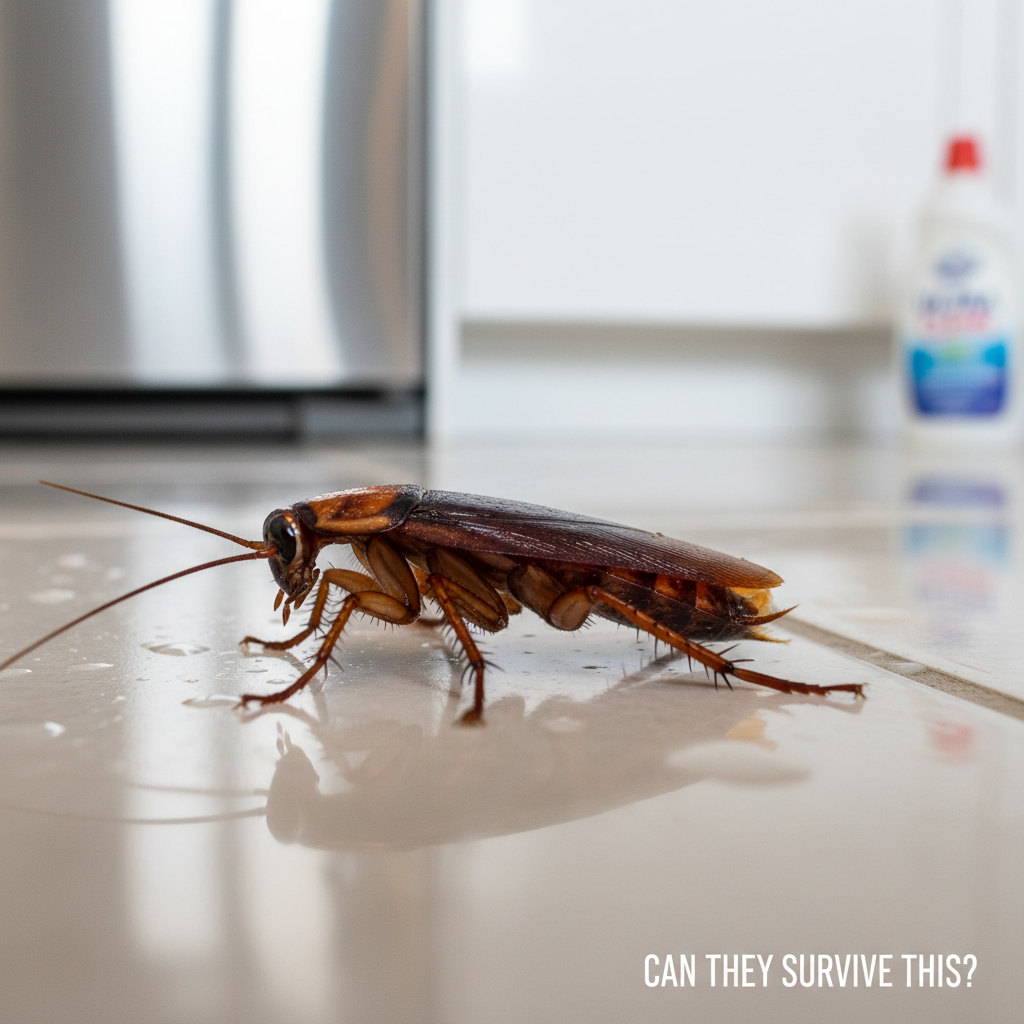
If you spotted a roach in your kitchen last night, the exact type matters more than most people think. The common types of roaches found in Chicago homes point to different hiding spots, different moisture problems, and different ways an infestation spreads, especially in older apartments, two-flats, and damp basements.
The Roach You Saw Last Night Probably Tells You More Than You Think
A small tan roach that darts behind the coffee maker says one thing. A dark, chunky bug near a basement drain after heavy rain says something else entirely. In Chicago, that difference matters because a roach problem is often tied to the building itself, not just what is happening on your countertop.
Here’s the simple version: roach identification means matching the bug’s size, color, and hiding place to the species most likely to be living in your home. In local homes and apartments, that usually means German, Oriental, American, or brownbanded cockroaches, plus the occasional outdoor wood roach that wandered inside by accident.
Once you know which one you’re looking at, the rest gets easier. You know where to inspect, how serious the problem may be, and why a random spray from the hardware store often misses the real issue.
Why Roach Identification Matters Before You Try to Fix Anything
“A roach is a roach” sounds practical, but it leads to bad decisions fast. If you treat a brownbanded roach problem like a German roach problem, you may focus under the sink when the real activity is in upper cabinets, light fixtures, or electronics. If you assume every large roach is coming from dirty dishes, you may miss a drain, a basement moisture issue, or a sewer connection.
Species ID changes the plan. German roaches call for aggressive kitchen and bathroom targeting because that species reproduces quickly and hides in tight cracks close to food and water. Oriental roaches push you toward drains, crawlspaces, and wet lower levels. American roaches make you think about utility rooms, boiler spaces, old basements, and structural entry points.
Sanitation helps, but it is not the whole story. In Chicago housing, building infrastructure often matters more than people want to admit. Shared walls, plumbing lines, old cabinetry, floor voids, and damp basements give roaches exactly what they need, even in homes that are kept tidy.
What “types of roaches” usually means in Chicago homes
For most indoor infestations around Chicago, the short list is pretty consistent. The five common types that matter most are German, Oriental, American, brownbanded, and woods cockroaches.
German roaches are the big one indoors, especially in kitchens, bathrooms, and apartments. Oriental roaches show up in damp, lower-level areas and get called waterbugs all the time. American roaches are the large reddish-brown ones that turn up in older utility-heavy spaces. Brownbanded roaches prefer warm, dry, elevated spots. Woods roaches usually come from outside and do not always mean you have an indoor colony established.
The fastest clues to notice right away
Before you even get a perfect photo, a few clues narrow things down quickly. Start with size. A half-inch tan roach in the kitchen is a very different problem from a nearly two-inch reddish-brown roach in the basement.
Next, notice color and markings. Two dark stripes behind the head strongly suggest German roaches. Very dark brown or black, with a broad body, leans Oriental. Light brown with banding and activity higher up on walls or around electronics points toward brownbanded.
Then look at location. Near water? Under a sink? Up high near a cabinet crown? Around a floor drain? Those details matter almost as much as the bug itself. The same goes for pepper-like droppings, shed skins, egg cases, and a stale, musty odor.
The Main Types of Roaches Found in Chicago Homes
Chicago homes tend to get a predictable mix of roach species, but the setting changes the odds. Apartments and condos lean heavily toward German roaches. Bungalows with damp basements often see Oriental roaches. Older brick buildings with utility rooms and sewer access can get American roaches. Dry, warm interior rooms can support brownbanded activity.
If you want the quick-scan version, think of it this way: small tan in the kitchen usually means German. Dark and slow near drains usually means Oriental. Big reddish-brown in a boiler or basement area usually means American. Small and tucked into dry upper spaces usually means brownbanded.
German cockroach
This is the most common indoor roach in Chicago kitchens and apartments. It is small, fast, light brown to bronze, and marked by two dark stripes behind the head. It also reproduces quickly enough to turn a minor problem into a real infestation before you get around to dealing with it.
Oriental cockroach
This is the classic waterbug. It is darker, broader, slower, and strongly tied to damp places like basements, crawlspaces, garages, drains, and wet foundation zones.
American cockroach
This is the large reddish-brown roach that gets everyone’s attention immediately. It often shows up in older basements, boiler rooms, sewer-linked spaces, and utility areas rather than right on a kitchen counter.
Brownbanded cockroach
This one gets missed because it is smaller and less obvious. It prefers warm, dry, elevated areas such as upper cabinets, electronics, closets, and light fixtures instead of sink zones.
Occasional outdoor wood roaches
These usually wander in from mulch, leaf litter, landscaping, or firewood. A single one near a doorway or window does not always mean indoor breeding, which is a relief when that turns out to be the case.
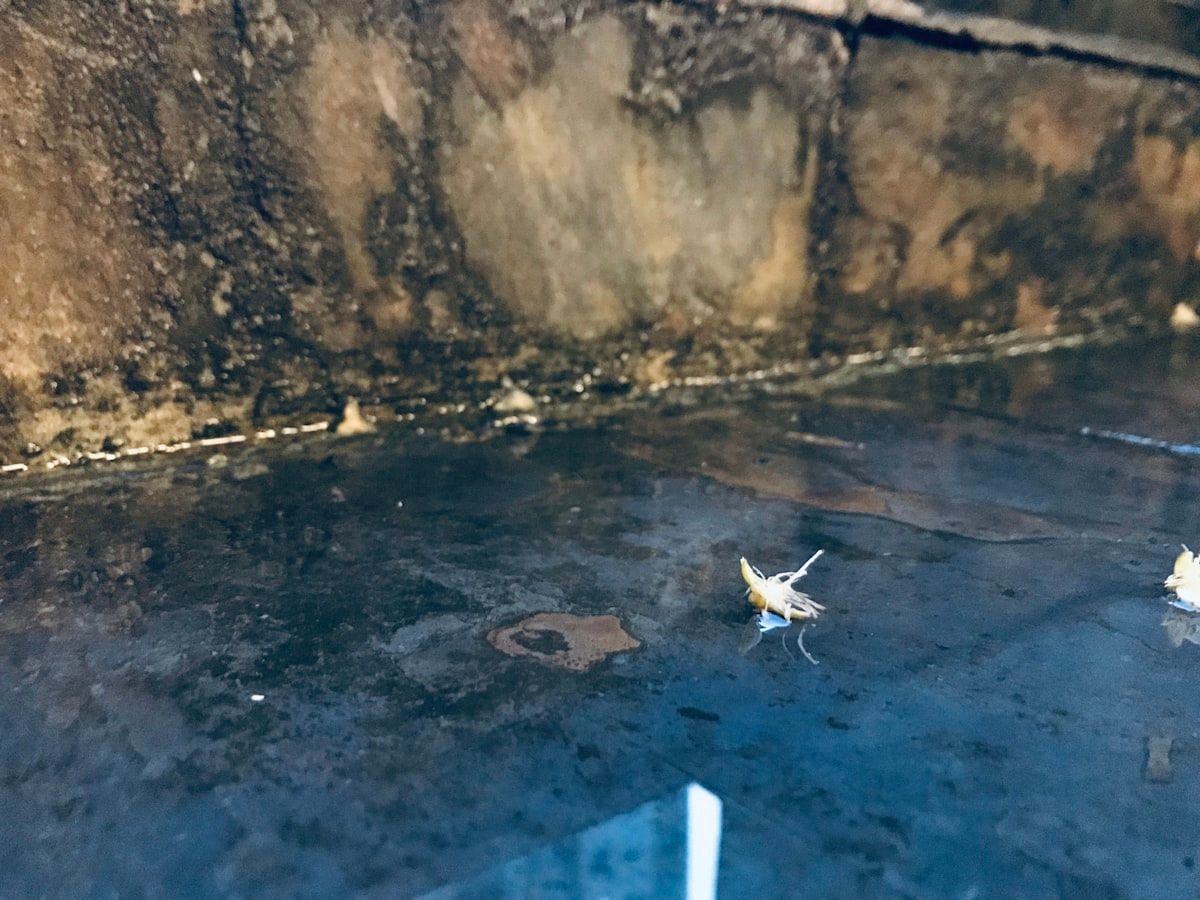
How to Spot a German Cockroach in Your Kitchen or Bathroom
If you live in a Chicago apartment and see repeated roaches indoors, German cockroaches are the first suspect. That is not guesswork. This species is the most common indoor roach in local homes and buildings, especially where shared walls and plumbing runs make movement easy.
What a German cockroach looks like
An adult German cockroach is about half an inch long, tan to bronze, with two black stripes right behind the head. Nymphs, which are the younger stages, are smaller and darker. If you are seeing lots of tiny dark roaches mixed in with a few adults, that usually means the population is not new.
German roaches also move like they know the floor plan. Fast, sudden, and usually straight into a crack, hinge, or appliance seam.
Where German roaches hide
The trick with German roaches is that you rarely see where most of them actually live. About 75 percent of the time is spent hiding, and activity usually stays within about 10 feet of food and moisture. In real life, that means under sinks, behind refrigerators, around stove motors, near dishwashers, in cabinet joints, inside bathroom vanities, and around plumbing penetrations.
Tight spaces matter. Not under the middle of the cabinet shelf, but along the back corner seam. Not beside the fridge, but under the compressor area or behind the kick plate. If you want a fuller breakdown of where to check for early activity, those tight harborage zones are usually where the story starts.
Signs you have more than one or two
Live sightings are only part of it. German roaches leave pepper-like droppings, shed skins, and egg cases. Heavy infestations also create a stale, oily, slightly musty odor that is hard to describe until you notice it, then impossible to ignore.
One especially useful clue is the age mix. In a growing German roach population, about 80 percent are nymphs. So if you are only waiting to see big adults, you may miss the scale of the problem entirely. Seeing small roaches in drawer corners, cabinet hinges, or around the dishwasher is a louder warning sign than most people realize.
Why German roaches are such a big problem in apartments
German roaches spread through buildings the way smoke does, through every little path you forgot was there. Plumbing chases, shared walls, utility lines, trash rooms, laundry spaces, and old pipe openings all help them move from one unit to another.
That is why cleanliness alone does not explain much. A spotless condo can still get roaches from a neighboring unit, a shared trash area, a damp wall void, or a used appliance brought inside. In heated buildings, German roaches stay active all year, winter included. If the issue keeps returning, the real problem may be the structure itself, which is exactly why apartment infestations tend to bounce back.
How to Spot Oriental Roaches in Basements, Garages, and Damp Areas
Oriental roaches are the bugs many Chicago homeowners call waterbugs, and honestly, that nickname points you in the right direction. If you find a dark roach near a basement drain, sump area, or wet garage floor, this is the likely match.
What an Oriental roach looks like
Oriental roaches are dark brown to black, broad-bodied, and can reach about 1 1/4 inches long. The body looks heavier and flatter than a German roach, and adults do not fly. Compared with German roaches, the movement is usually slower and less darting.
The color is often the first giveaway. If it looks almost black under basement lighting, pay attention.
Where Oriental roaches show up
This species likes cool, moist areas. Common Chicago hiding spots include floor drains, sump pump pits, crawlspaces, wet basements, garages, lower foundation walls, under porches, mulch beds, and damp leaf piles right outside the house.
That outdoor connection matters. Oriental roaches can survive around foundations and then move inside through gaps, drains, or lower-level entry points, especially after wet weather.
What Oriental roaches usually mean
Oriental roaches usually point to moisture. Not just a crumb problem, but a dampness problem. Think leaky pipe joints, standing water near a floor drain, condensation on basement plumbing, clogged gutters sending water toward the foundation, or soggy organic debris along the house perimeter.
The pace is slower than German roaches, but that does not make the problem harmless. Repeated sightings mean the environment is supporting them, and until that moisture issue changes, the sightings usually keep coming.
How to Spot American Roaches in Older Buildings and Utility Areas
American cockroaches are the ones that make people say, “That thing was huge.” In Chicago, repeated sightings often connect to older infrastructure, sewer-linked spaces, or warm, humid lower levels in large buildings.
What an American cockroach looks like
American roaches are reddish-brown and can reach up to 2 inches long. That size alone rules out a lot of confusion. If the roach looked big enough that you noticed it from across the room, this species moves to the top of the list.
In warm conditions above 85 degrees, adults can glide or fly. That sounds dramatic because it is.
Where American roaches hide
Common hiding spots include boiler rooms, basements, utility corridors, sewer connections, drain systems, old masonry voids, and warm service spaces. In homes, sightings often happen near floor drains, laundry rooms, mechanical rooms, and unfinished basements.
This species is less common in ordinary living areas than German roaches. It is more connected to the guts of the building than the countertop.
When a big roach sighting points to a deeper issue
One large roach once in a while can mean activity in drains or a nearby utility area. Repeated sightings indoors, especially upstairs or in finished rooms, usually point to a larger source such as moisture, a structural opening, or a sewer-related access route.
If you are trying to sort out the difference between a smaller kitchen infestation and a large basement roach issue, a side-by-side look at the main differences that matter helps because the treatment zones are completely different.
How to Spot Brownbanded Roaches in Dry, Warm Rooms
Brownbanded roaches get overlooked because people expect roaches to stay near water. This species breaks that rule, which is why location is the fastest clue.
What a brownbanded cockroach looks like
Brownbanded roaches are smaller than German roaches, light brown, and marked by pale banding across the wings or body. The pattern can be subtle, especially on a moving insect, but the overall look is usually lighter and a bit more striped across the body rather than the two dark lines behind the head.
Where brownbanded roaches hide
This species prefers warmer spots, often around 80 degrees, and turns up in upper cabinets, closets, behind picture frames, near ceilings, inside light fixtures, around electronics, and close to warm motor housings. A roach near the top of a wall or behind a mounted TV tells a different story than one under the sink.
The key difference from German roaches
German roaches love kitchens and bathrooms because of food and moisture. Brownbanded roaches are more comfortable in dry, warm, nonfood areas. That is the trick. If your sightings happen in bedrooms, living rooms, closets, or on high surfaces, brownbanded becomes much more likely.
Roach Clues Beyond the Bug Itself
A perfect photo is nice, but you usually do not get one. Most sightings last about two seconds. The better approach is to read the traces left behind.
Droppings, smear marks, and shed skins
Droppings often look like black pepper, coffee grounds, or tiny dark specks. In heavier activity areas, you may also see smear marks along edges where roaches travel repeatedly, especially in humid spots. Shed skins show up as light brown, hollow-looking insect shells tucked into corners and cracks.
Check cabinet hinges, drawer corners, wall edges, baseboards, under sinks, around appliance feet, and the underside of shelves. Those spots act like road shoulders. Traffic collects there.
Egg cases and what they tell you
Egg cases are called oothecae, which sounds technical but just means a capsule holding eggs. Seeing one indoors means breeding is happening nearby, not somewhere blocks away.
This matters most with German roaches because females carry the egg case until about 24 hours before hatching, and each case can hold 30 to 48 eggs. In other words, one egg case is not a minor detail. It is a warning flare. If you are seeing cases, nymphs, and droppings together, you are past the “maybe it’s just one” stage and into clear signs of an active infestation.
Odor and nighttime activity
Heavier infestations can produce an oily or musty smell, especially in enclosed cabinets or utility areas. It is not always strong at first, but once populations build, the odor becomes part of the room.
Nighttime activity is another strong clue. Roaches are most active after dark, so a late-night kitchen light flip can show exactly where they scatter. Watch the direction, not just the bug. Under the sink, behind the stove, toward a drain, up a wall corner, each route tells you where the harborage is likely hiding.
A Quick Chicago Roach ID Chart by Size, Color, and Hiding Spot
Use this as the quick mental chart when you do not want to reread every section.
Small tan roach in the kitchen
German cockroach is the most likely match, especially if you notice two dark stripes behind the head, activity near sinks or appliances, and pepper-like droppings in cabinet seams.
Dark roach near a basement drain
Oriental cockroach is the likely match, especially if the body is broad, very dark, and the area is cool or damp.
Large reddish-brown roach in a boiler room or older basement
American roach is the likely match, especially in older buildings, utility spaces, and sewer-linked lower levels.
Small roach near electronics or high on the wall
Brownbanded cockroach is the likely match, especially in dry rooms, upper cabinets, closets, or around warm devices.
Why Roaches Show Up in Chicago Homes in the First Place
Roaches are not making a moral statement about your housekeeping. That is worth saying plainly. In Chicago homes, the real driver is usually conditions: moisture, warmth, food access, and protected hiding spots.
Moisture, warmth, food, and hiding spots
Every roach species needs a version of the same four basics. Water can come from a sweating pipe, a slow leak, or basement dampness. Warmth comes from appliances, boiler lines, motor housings, and heated buildings. Food can be crumbs under the stove, grease film near the range, pet food, trash residue, or even organic buildup in drains. Hiding spots come from cardboard, cabinet gaps, clutter, wall voids, and appliance seams.
Take away one factor and you help. Take away several and you change the environment enough to make control work better.
Why older buildings and shared walls make things worse
Chicago’s housing stock gives roaches a lot to work with. Old cabinets pull away from walls. Pipe penetrations stay unsealed for years. Radiator lines and utility chases connect one unit to another like hidden hallways. Basements hold damp air. Brick, plaster, and wood settle and crack over time.
That is why roach activity clusters in dense neighborhoods and older corridors. Local inspection data drawn from more than 54,000 inspections shows how strongly building conditions shape pest pressure.
Why clean homes still get roaches
A clean home can still get roaches from neighboring units, drains, used appliances, delivery boxes, grocery bags, or damp common areas. In apartment buildings, one untreated unit can keep feeding the problem for everyone around it.
That is also why random products often disappoint. German roaches in particular have developed broad insecticide resistance, so the old idea that any spray will do is just wrong.
Health Risks That Make Roaches More Than Just a Gross Surprise
Roaches are disgusting, sure, but the bigger concern is what gets left behind. Droppings, shed skins, and body fragments build up in hidden areas and become part of the indoor environment.
Roach allergens in apartments and family homes
Cockroach allergens are tied strongly to asthma and allergy symptoms, especially in dense housing where exposure keeps happening. The problem is not only live bugs crawling around. It is also the feces, shed material, and particles left in cabinets, wall voids, and kitchen cracks.
Research has found 85% of inner-city homes test positive for cockroach allergens. That helps explain why a “small” ongoing infestation can still affect indoor air and health in a big way.
When to take sightings seriously
One German roach in the kitchen deserves attention right away. One Oriental roach near a basement door after a storm is less alarming, but repeated sightings are still meaningful. Daytime sightings, nymphs, egg cases, activity in multiple rooms, and musty odor all mean the issue is established enough to stop guessing.
What You Can Check Yourself Before Calling for Help
You do not need to tear the kitchen apart tonight. A focused inspection tells you a lot quickly and gives you better information if you do bring in help.
Best places to inspect tonight
Start under the kitchen sink, behind the fridge, around the dishwasher, under or behind the stove, and inside cabinet hinge corners. In bathrooms, check vanity voids and plumbing penetrations. In basements, inspect floor drains, sump pump areas, water heater bases, laundry zones, and wall-floor joints.
For German roaches, think warm cracks near food and water. For Oriental and American roaches, think drains and lower-level moisture. For brownbanded, look higher than you expect.
What photos and notes help with identification
Take a photo next to a coin if you can. Note the room, time of day, nearby moisture, and whether the roach was on the floor, wall, ceiling, or inside a cabinet. A blurry picture plus good notes is often more useful than one perfect photo with no context.
If the issue keeps returning, getting a proper species ID and source check from a local roach control inspection makes the next step much more targeted.
Sticky traps and simple monitoring
Sticky traps work because they show patterns, not just bodies. Place them under sinks, behind the fridge, near the stove, beside basement drains, and along wall edges. Check them the next morning, then again after a few days.
You are looking for location, size, and life stage. A trap full of tiny nymphs behind the fridge tells a much different story than one large roach near a utility drain.
What Usually Works to Get Rid of Roaches and What Often Fails
The biggest mistake is treating sightings instead of treating harborages. If roaches spend most of life hidden, surface spraying open floor space is like mopping one tile in a leaky hallway.
Why spray-and-pray fixes fall short
Foggers and random aerosol sprays rarely reach deep cracks, appliance voids, or wall spaces where roaches actually live. Some repellent products can even push activity deeper into the structure, which makes sightings drop for a bit while the infestation stays alive.
Resistance is another problem. Some German roach populations shrug off common products, so “I sprayed and saw fewer for three days” is not the same thing as control.
Why targeted treatment works better
Targeted treatment is about placement. Baits go where roaches feed and travel. Dusts go into voids and inaccessible cracks. Growth regulators interrupt development. Crack-and-crevice treatment focuses on the edges and hidden seams where activity is clustered.
For German roaches especially, bait and growth-regulator plans usually make more sense than broad, generic spraying. The species tells you where the products belong and how follow-up should work.
Why multi-unit infestations need coordinated treatment
Treating one apartment without checking neighboring units is often a short-lived win. Roaches move through plumbing lines, conduit openings, shared walls, trash areas, and utility pathways. If only one unit gets attention, nearby populations keep supplying replacements.
The EPA puts it plainly: multi-family pest control works best as a team effort involving residents, maintenance, and management, not just pesticides alone.
When to Call a Professional Exterminator in Chicago
There is a point where better identification and better chemistry matter more than another trap from the store. German roaches reach adulthood fast, reproduce heavily, and hide well enough that small delays turn into big ones.
Signs the problem is already established
Repeated nighttime sightings, roaches in more than one room, visible nymphs, egg cases, daytime activity, and roaches returning after over-the-counter products all suggest the problem is established. So does seeing activity in shared-wall apartment buildings where movement between units is likely.
If the pattern already fits “ongoing infestation,” professional help is usually faster and cheaper than months of guesswork.
What to expect from a professional inspection
A good inspection should identify the species, map likely harborages, check moisture sources, look for structural access points, and build a treatment plan around your layout. That means the kitchen gets one approach, the basement another, and a dry brownbanded problem something else entirely.
You want diagnosis first, treatment second. Not just a quick spray and a receipt.
Cost expectations and follow-up
In Chicago, treatment commonly runs about $100 to $600 depending on severity, building type, and how many visits are needed. Severe German roach infestations, multi-unit coordination, and repeated follow-up push the price upward, while simple isolated problems stay lower. If you want a closer look at what Chicago pricing usually looks like, the range makes more sense once you know the species and scope.
Follow-up matters because eggs hatch after the first visit. Good control is rarely one-and-done.
Roach Prevention After Treatment
Prevention is not about making your home perfect. It is about making it less comfortable for the species you just dealt with.
Fix the moisture first
Leaks under sinks, sweating basement pipes, slow drains, damp crawlspaces, and humid lower levels all keep roaches comfortable. Fixing those issues changes the environment more than another round of surface spray.
A dehumidifier in the basement can make a real difference if dampness is part of the pattern.
Cut off food and hiding spots
Seal pantry items, wipe counters at night, empty trash regularly, reduce cardboard storage, and clean under appliances where grease and crumbs collect. The goal is not spotless. The goal is less easy food and fewer protected cracks full of clutter.
Seal the routes roaches use to move
Caulk around pipe entries, seal baseboard gaps, repair torn screens, and close openings around conduits where possible. In apartments, some shared-wall gaps may need maintenance help or building-level work, but even partial sealing helps slow movement.
One thing to try tonight
Put one sticky trap under the kitchen sink and one behind the fridge before bed. Check both in the morning. That single step often tells you more than a week of worrying.
Frequently Asked Questions
What is the most common roach in Chicago homes?
German cockroaches are the most common indoor roach in Chicago homes, apartments, and condos. If you see a small tan roach with two dark stripes in the kitchen or bathroom, that is the top suspect.
Are waterbugs and roaches the same thing?
Usually, “waterbug” is just the local name for Oriental roaches or sometimes large American roaches. If the bug is dark and found near drains, basements, or damp garages, it is usually still a cockroach.
Does one roach mean you have an infestation?
Not always, but the location matters. One German roach in a kitchen deserves quick attention because that species rarely shows up alone. One outdoor wood roach near a door or window may be an accidental visitor instead.
Why do roaches keep showing up in a clean apartment?
Because cleanliness is only part of the picture. Roaches can come from shared walls, plumbing lines, neighboring units, drains, used appliances, and common areas. In multi-unit buildings, the structure often matters as much as the housekeeping.
What kind of roach is most likely in a Chicago basement?
A dark roach in a damp basement is often Oriental. A very large reddish-brown roach in an older basement or utility room may be American. Moisture and drain activity usually help separate the two.
What is the fastest way to figure out which roach you have?
Notice three things right away: size, color, and where you found it. Then add one more clue from droppings, egg cases, or trap catches. That combination usually narrows it down fast enough to choose the right treatment path.