
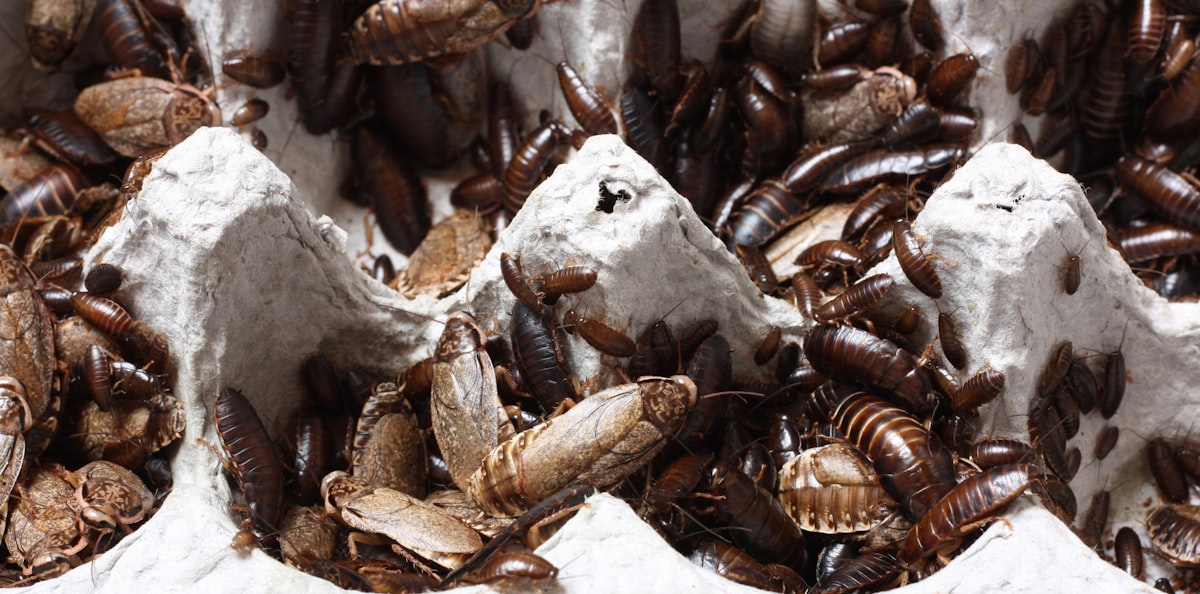
You spot a roach in the kitchen at 11 p.m., flip on the light, and suddenly the whole problem feels bigger than it did ten seconds ago. If you are shopping for a roach extermination service, the real question is simple: do you need one visit to knock it down, or a longer plan to actually keep it gone?
What a One-Time Roach Treatment Actually Fixes
A one-time treatment can absolutely help, but only in the right situation. Think of it like handling a small plumbing drip before it turns into water damage. If the problem is new, limited, and caught early, a single professional visit may be enough to stop it before it spreads.
What that visit should do is more than spray and leave. A decent provider should inspect where the activity is happening, identify the species, treat the hot spots, and tell you what conditions are helping roaches stick around. If you are comparing providers, it helps to look for a service that includes inspection and sanitation checks, like this roach control service page, instead of vague promises about “complete elimination” in one shot.
When a Single Visit Can Make Sense
A one-time visit fits best when the issue looks isolated. Maybe you just moved into a condo and found signs under one appliance. Maybe you saw one or two larger roaches near a laundry area or garage after heavy rain. Maybe the activity seems limited to the space around the refrigerator, and you are not seeing droppings, egg cases, or movement in other rooms.
It can also make sense if you caught the problem early. That matters more than people think. A minor issue in one kitchen is very different from a breeding population tucked behind cabinets, under the sink, and inside wall voids.
The Catch With “One and Done”
Here’s the thing: roaches are built for hiding and bouncing back. Eggs keep hatching after the first treatment. Survivors stay tucked inside cracks, behind backsplashes, under dishwashers, and in plumbing gaps. Once the initial treatment fades, the population can start rebuilding.
That is why a single treatment often feels successful for a week or two, then frustrating later. You stop seeing as much activity, relax a little, and then one shows up by the coffee maker on a Tuesday morning.
If you are already seeing multiple warning signs, it helps to compare your situation against the signs that point to a real infestation rather than assuming a quick spray will finish the job.
Why Ongoing Roach Extermination Service Is Often the Better Bet
For an established infestation, ongoing service is usually the smarter choice. That is the direct answer.
Roaches reproduce fast, hide well, and adapt to treatment pressure. Research also points to insecticide resistance as one reason basic chemical-only approaches can fall short. Ongoing service gives you something a single visit cannot: time to break the cycle.
That follow-up matters because the goal is not just to kill what is visible today. The goal is to shrink the population, catch new hatch-outs, adjust treatment if needed, and confirm that the infestation is actually moving in the right direction.
Roaches Don’t Live Out in the Open
You usually see only a small piece of the problem. Cockroaches prefer tight, dark, humid spaces, which means wall voids, plumbing penetrations, cabinet hinges, utility chases, sump areas, and the gaps behind stoves and fridges.
German cockroaches are especially tough because they stay close to food and moisture indoors and can build dense populations fast. If you are dealing with the small tan roaches that scatter when you turn on a kitchen light, it is worth understanding why German roaches need a different approach than the occasional larger roach wandering in from outside.
Follow-Up Is Part of the Fix
Repeat visits are not a sales trick. They are part of the treatment itself.
A proper follow-up can include checking monitors, refreshing bait placements, reapplying dust in hidden spaces, looking for new activity around leaks or warm appliances, and making sure the original plan is working. That kind of adjustment is one reason recurring service has become the norm. In fact, 85.4% of residential pest control revenue comes from recurring contracts, which tells you how often homeowners choose scheduled control over one-time emergency calls.
The Biggest Decision Factors Before You Choose
The best choice depends less on the sales pitch and more on what your infestation actually looks like. A few plain-language factors tell you a lot.
How Bad the Infestation Looks
If you see roaches during the day, the infestation is usually more advanced. Roaches prefer to stay hidden, so daytime sightings often mean the hiding spots are crowded enough that some are getting pushed out.
Other strong warning signs include droppings that look like black pepper or coffee grounds, egg cases, a stale or musty odor, and activity in more than one room. Kitchen only is bad enough. Kitchen plus bathroom plus laundry area usually points toward ongoing service.
What Kind of Property You’re In
A detached home gives you more control over the whole environment. An apartment or condo does not. Shared walls, plumbing lines, hallways, trash areas, and neighboring units change the game.
That is especially true in dense housing. Researchers looking at apartment infestations found shared plumbing and wall voids are a big reason cockroach problems persist even when residents try to treat them. In a Chicago flat or a larger complex, your kitchen may not be the only source.
Whether the Problem Is Coming From Inside or Next Door
A contained issue usually behaves in a contained way. You see activity around one sink base, one appliance, or one pantry area. A building-wide issue behaves differently. Activity pops up in strange places. Treatment seems to help, then roaches appear again from a bathroom pipe chase or a shared wall.
That is the catch with multi-unit housing. If roaches are traveling through neighboring spaces, you are not just treating your unit. You are trying to block traffic on a road that stays open.
Moisture, Clutter, and Food Access
Roaches need three things: water, food, and shelter. A drip under the sink, pet food left out overnight, grease under the stove, cardboard boxes in a humid basement, or crowded storage near a warm motor can keep an infestation alive longer than most people expect.
Treatment works better when those conditions improve at the same time. Not perfect, just better. Dry the sink area, seal food, reduce clutter, and fix obvious leaks. Those steps support the treatment instead of fighting against it.
One-Time vs. Ongoing Service in Chicago-Area Homes and Apartments
Chicago-area housing makes this decision more local than it looks on paper. Dense neighborhoods, older buildings, garden units, and mixed-use properties often create exactly the kind of hidden travel paths that make one-time treatment less reliable.
Older Buildings and Shared Utility Lines
Older city housing can have gaps around pipes, aging caulk, uneven floors, hidden moisture, and wall voids that let roaches move room to room and unit to unit. In a vintage building near Logan Square, for example, a clean kitchen can still get pressure from nearby units through plumbing lines and tiny openings behind the sink cabinet.
That is one reason apartment roach problems keep dragging on. It is not always about housekeeping. Sometimes the structure itself is helping the infestation.
Suburban Homes Still Have Their Own Risks
Detached homes in Naperville or Schaumburg are not immune. Basements, utility rooms, crawl spaces, attached garages, and laundry areas can all support roach activity, especially when moisture is involved.
The difference is control. In a single-family home, you can usually address the full property at once, which improves the odds of a one-time treatment working if the problem is still small. But once activity spreads through the kitchen, lower level, and bathrooms, recurring service starts making a lot more sense.
What a Good Roach Extermination Service Should Include
This is where buying advice matters. Price matters, sure. But a cheap service that sprays baseboards and misses the source is not a bargain.
Inspection First, Spray Second
The visit should start with inspection. Species matters. Source matters. Conditions matter.
A provider should look at where activity is concentrated, what kind of roach is involved, where moisture is showing up, and how roaches may be entering or traveling. If somebody wants to spray first and ask questions later, that is a bad sign.
Targeted Treatment, Not a Chemical Blanket
Good roach control is targeted. That usually means baiting where roaches feed, crack-and-crevice treatment where they hide, dust in hidden voids, monitoring in high-risk areas, and advice about sanitation and exclusion. In plain English, exclusion just means sealing the openings that let pests move in and out.
That approach lines up with integrated pest management, which combines treatment with environmental fixes instead of relying on chemicals alone. It is also more realistic in homes with kids, pets, tight kitchen storage, or ongoing building pressure.
Clear Notes on What You Need To Do
A solid provider should leave you with simple instructions, not a pile of jargon. Empty under the sink. Fix the leak. Store dry goods in sealed containers. Pull cardboard out from warm appliances. Keep counters and floors free of crumbs and grease.
That follow-through matters more than people want it to. Current industry discussion around German roaches even points to client compliance as part of what makes treatments succeed or stall.
Cost: When Paying More Up Front Saves You Money Later
A one-time service usually costs less today. That part is obvious. The less obvious part is how expensive a “cheap” decision gets when the infestation comes back twice.
If the infestation is established, recurring service can cost less overall because it is designed to finish the job instead of resetting the problem every few weeks. If you want a local breakdown of typical pricing, service tiers, and what affects the total, this guide on what roach treatment usually costs around Chicago helps set expectations.
Where One-Time Service Has Better Value
One-time treatment has better value when the problem is minor, access is straightforward, and the inspection suggests a limited source. A recent move-in, an isolated sighting, or activity concentrated around one appliance can fall into this category.
In those situations, paying for inspection plus targeted treatment is reasonable. You may not need a long contract if the conditions are easy to fix and there is no sign of spread.
Where Recurring Service Earns Its Keep
Recurring service earns its keep in apartments, condos, repeat infestations, severe German roach activity, and homes with moisture or sanitation challenges. It is also the better value when DIY efforts have already failed.
That is especially true in multifamily housing, where more than 70% of renters reported seeing cockroaches at least monthly in one national survey. If the pressure is constant, maintenance starts to look a lot less like an extra expense and a lot more like basic protection.
Common Mistakes That Keep Roaches Coming Back
A lot of frustration comes from doing the wrong thing very consistently. A few common mistakes waste time, money, and patience.
Treating Only the Roaches You Can See
Visible roaches are usually the tip of the problem. If sightings happen in daylight or in several rooms, the hidden population is almost always larger than it appears.
Killing a few scouts near the toaster does not touch the nest behind the wall, the oothecae under the sink lip, or the activity around the dishwasher motor.
Relying on Foggers, Random Sprays, or Electronic Repellents
Foggers sound satisfying, but they often miss the hiding spots that matter most. Random sprays can push roaches deeper into walls or scatter them into new areas. Electronic repellents are mostly a dead end.
A lot of households still try retail products first. One renter survey found 79% used DIY products, mostly sprays, foggers, and baits. That is understandable. It is also why so many infestations linger.
Skipping Building-Level Action in Apartments
If roaches are moving between units, treating one kitchen is like mopping one tile while the pipe is still leaking upstairs. You may get temporary relief, but not a real fix.
Landlord or property-manager coordination matters here. When multiple units share the same source pressure, building-wide inspection and treatment works better than isolated unit-by-unit effort.
Best Choice by Situation
By this point, the pattern is pretty clear. Your decision gets easier once you match the service type to the setup.
Choose One-Time Treatment If…
Choose one-time treatment if the issue is very early stage, sightings are isolated, there are no clear signs of spread, and you are not dealing with chronic leaks or known building-wide activity. It also fits better in a detached home where the source looks contained and easy to access.
Choose Ongoing Service If…
Choose ongoing service if you are dealing with German roaches, frequent sightings, multiple rooms, repeat DIY failure, shared walls, or a property with a history of roach activity. If you are still unsure which species you are dealing with, it helps to compare the common Chicago roaches people mix up, because treatment expectations change a lot depending on what is actually in the home.
If You Manage a Multi-Unit Property
Unit-by-unit treatment is rarely enough in a building with recurring roach pressure. Better results usually come from coordinated service, repair work, communication with residents, and repeat inspections over time.
That means looking at leaks, trash handling, shared utility penetrations, vacant units, and resident reporting, not just spraying whichever unit complained first. In multifamily buildings, roach control is a property issue, not only a unit issue.
Questions To Ask Before Booking a Roach Extermination Service
A good sales conversation should leave you with clear answers, not vague reassurance.
How Will You Identify the Source?
Ask how the provider will inspect the home, identify the roach species, and check for leaks, entry points, and neighboring-unit pressure. If the answer is just “we spray the kitchen and bathroom,” keep looking.
What Happens After the First Visit?
Ask what follow-up looks like, how quickly a second visit would happen if activity continues, what retreatment policy applies, and how success gets measured. “You should see less activity” is too fuzzy. You want a timeline and a plan.
What Can You Do Between Visits?
Ask what you should change right away to support results. The basics are simple: dry sinks overnight, store food in sealed containers, swap cardboard for plastic bins, clean grease and crumbs, and report new sightings quickly.
Tonight, try one thing first: check under the kitchen sink for moisture and gaps around the pipes. That small spot causes a surprising number of big roach problems.
Frequently Asked Questions
How long does a roach extermination service take to work?
You may see some improvement within days, but full control often takes longer, especially with German roaches or apartment infestations. A one-time treatment can reduce activity quickly, while an established infestation usually needs follow-up visits to catch hatch-outs and adjust treatment.
Is one roach enough reason to call a professional?
Sometimes yes. One large roach near a door after rain may not mean a full infestation, but one small roach in a kitchen cabinet can be a different story. Indoor species, repeated sightings, droppings, or activity around appliances make professional inspection much more worthwhile.
Do you need recurring service for German roaches?
In many cases, yes. German roaches breed fast, stay hidden close to food and moisture, and often require multiple treatments plus sanitation and exclusion work. A single visit can help, but recurring service is usually the stronger choice once the infestation is established.
Can roaches come back after professional treatment?
Yes, especially if eggs hatch later, neighboring units stay active, or moisture and food sources remain available. That does not always mean the treatment failed. It can mean the infestation needed follow-up care from the start.
What should you do before a roach treatment visit?
Clear out under sinks, empty crowded cabinets if instructed, wipe up grease and crumbs, secure food, and make a note of where you have seen activity. The more access the technician has to hot spots, the better the treatment can be targeted.