
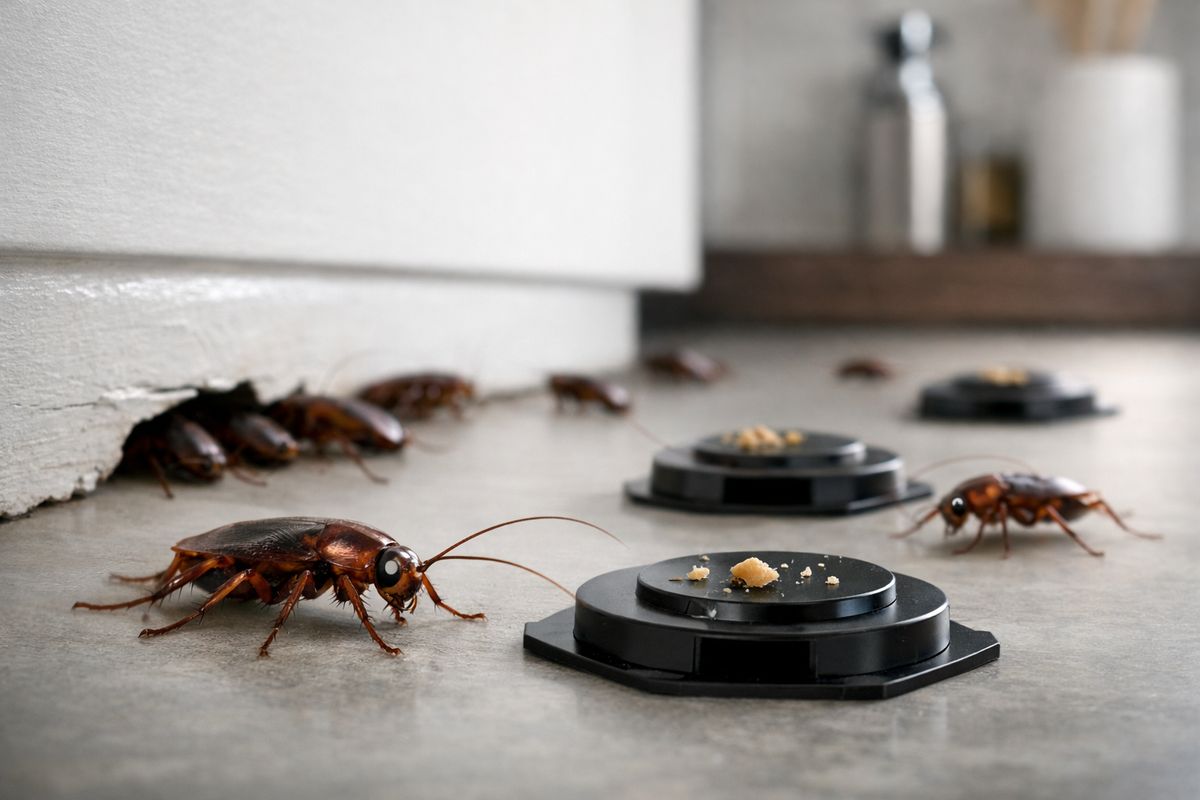
You scrub the counters, toss the cardboard, spray the baseboards, and then one shows up on the kitchen light switch at 11 p.m. anyway. That is the maddening reality of a roach infestation apartment problem: in a shared building, roaches usually do not disappear just because your unit gets cleaner or you try harder. In plain English, an apartment roach infestation means roaches are living and breeding somewhere in or near your unit, not just passing through once, and the reason it keeps dragging on is simple: the source is often bigger than your apartment.
Early on, it helps to know what matters most. This guide covers the signs of a real infestation, why apartment buildings make roach control harder, what actually works, and when coordinated professional treatment is the move that finally breaks the cycle.
- What counts as an infestation
- Why roaches return in apartments
- What cleanliness can and cannot fix
- Why sprays and foggers fall short
- What IPM does differently
- What to do before treatment
- When to call a pro
- How to prevent the next round
Why Roaches Keep Coming Back in Apartments
Here’s the thing: an apartment building is not a row of sealed boxes. It is more like a connected system of warm, dark pathways with food and water scattered throughout. Shared walls, plumbing chases, electrical openings, and common areas give roaches room to move even when your own place looks spotless.
That is why a roach problem in one unit often becomes a problem in several. If only one apartment is cleaning, baiting, and reporting the issue, the infestation can shift next door, settle near a leak down the hall, then circle right back. In multi-family housing, the most stubborn infestations are building problems wearing a single-unit mask.
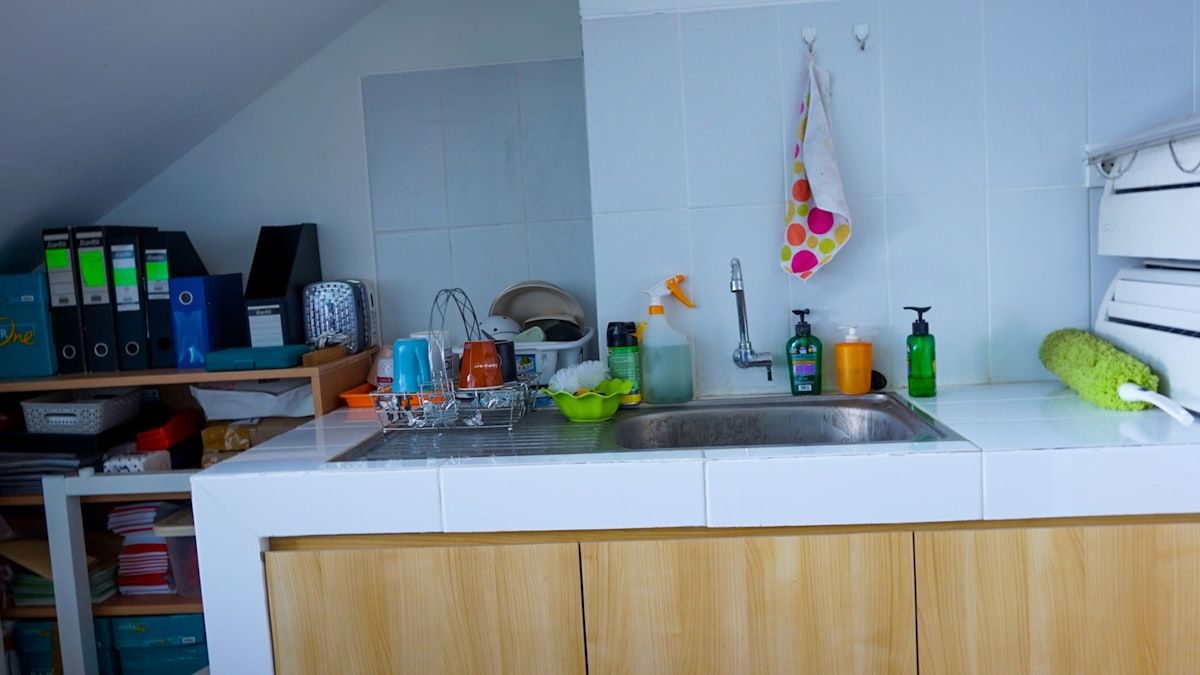
What Counts as a Roach Infestation in an Apartment
Seeing one roach once does not automatically mean your apartment is overrun. But repeated sightings, especially in the kitchen or bathroom, usually mean hidden activity nearby. Roaches are built for staying out of sight, so the ones you notice are often a small sample of what is tucked behind cabinets, appliances, or walls.
If you want a fuller picture of the signs that point to a real problem, pay attention to patterns, not isolated moments. One roach in a laundry room is one thing. Several over a week, or any around food prep areas, is something else.
Common Signs You’re Dealing With More Than a Random Roach
Live roaches are the obvious sign, but the quieter signs matter just as much. Tiny dark droppings that look like black pepper or coffee grounds often collect along drawer edges, cabinet hinges, and under sinks. Egg cases, shed skins, and a stale, musty odor also point to active harborages, which is the pest-control word for hiding and nesting spots.
Daytime sightings are especially telling. Roaches prefer darkness, so if you see them in broad daylight, the usual hiding areas may already be overcrowded. That often means the infestation has grown enough that some are getting pushed into the open.
The Roach You’re Most Likely Fighting: German Cockroaches
In most apartment infestations, the main troublemaker is the German cockroach. It is small, tan to light brown, fast, and very good at staying hidden in cracks near food and moisture. More important, it reproduces at a brutal pace. According to the University of Kentucky, a single mated female can produce thousands of offspring in less than a year.
American cockroaches and other species do show up, especially in basements, drains, and older buildings, but German cockroaches are the ones most likely to turn your kitchen cabinets into a long-term battle. If you need help telling the difference, it helps to compare the apartment species that matter most.
Why Apartment Roach Problems Are So Hard to End
Roach control in a detached house can be hard. In an apartment, it gets harder because the structure itself helps the pests. Roaches do not care where your lease line ends. If your sink pipe passes through the same wall cavity as the unit next door, the infestation has a built-in highway.
That explains why these problems can linger even after repeated effort. A 2026 University of Florida-led survey found that nearly 70% of rental units are in multi-family housing, where shared infrastructure makes elimination much tougher than most people realize.
Shared Walls, Pipes, and Wall Voids Keep the Problem Moving
Wall voids sound technical, but the idea is simple. They are the hollow spaces inside walls, under cabinets, around plumbing, and behind fixtures where you cannot easily see or clean. Roaches use those spaces the way you use a hallway.
Openings around water lines, electrical outlets, drain lines, radiator pipes, and gaps under sinks are common travel points. Baseboards, ceiling penetrations, and even small cracks where cabinets meet walls can connect one unit to the next. In older Chicago flats, courtyard buildings, and aging suburban complexes, those openings add up fast.
One Untreated Unit Can Reinfest the Rest
This is the catch that frustrates almost everyone: one untreated apartment can keep the whole problem alive. If your kitchen gets baited but the unit next door has ongoing leaks, heavy clutter, or no treatment at all, roaches simply shift location. They feed, breed, and return.
That is why scattered service often feels like progress for a week, then disappointment. You are not imagining it. You are just dealing with a pest that can relocate a few feet and start over.
Building Disrepair Gives Roaches Everything They Need
Roaches need three basics: food, water, and shelter. Building disrepair hands over all three. Dripping valves under sinks, cracked caulk, old cabinets with gaps behind them, damp basements, greasy trash rooms, and damaged door sweeps turn a manageable issue into a permanent one.
This shows up constantly in older multi-unit housing stock, where little maintenance problems sit around too long. A loose pipe escutcheon behind a kitchen sink may not look like much, but for roaches it is an open doorway connected to warmth and moisture.
It’s Not Just About Cleanliness
A clean apartment can still have roaches. That is not a comforting answer, but it is the honest one.
Sanitation matters because roaches need less access to food and shelter. But cleanliness is only one piece of the puzzle. In apartments, roaches can move in from neighboring units, from shared utility lines, or from common areas even when your counters are clear and your dishes are done.
What Cleanliness Does Help With
Cleaning reduces what roaches can feed on and where they can hide. Wiping up grease film, storing cereal and snacks in sealed containers, vacuuming crumbs from under the stove, and getting pet food picked up overnight all make your unit less inviting.
The same goes for cardboard and paper clutter. Roaches love the tight, sheltered spaces those materials create. Swapping delivery boxes and grocery bags out for plastic bins or just getting them out quickly helps more than people expect.
What Cleanliness Cannot Fix by Itself
Cleaning cannot close openings in the wall behind your dishwasher. It cannot stop movement through plumbing penetrations. It cannot fix the leaking pipe in the utility chase or solve a nest tucked inside the cabinet void of the apartment next door.
So if you have been cleaning constantly and still seeing activity, stop blaming yourself. This is exactly why apartment roach problems keep cycling back when treatment is limited to one unit or one quick spray.
What Causes Roaches to Set Up in the First Place
Roaches settle where survival is easy. In apartments, that usually means a steady mix of food residue, moisture, cover, and access. Once those conditions line up, the infestation can grow quietly for weeks before it becomes obvious.
Food Sources You May Not Notice
Crumbs on the counter are the easy thing to spot. The trickier food sources are the ones that build up slowly: grease film along the stove sides, residue in sink drains, sticky spills under the fridge, pet kibble left out overnight, garbage juice at the bottom of the can, and unwashed recyclables.
Roaches are not picky. A few forgotten cracker crumbs behind a toaster and a little grease on the cabinet edge can be enough to keep activity going.
Moisture and Leaks
Water is often the piece that turns a nuisance into an infestation. A slow drip under the sink, condensation around pipes, a leaking dishwasher connection, or dampness around bathroom plumbing gives roaches what they need to stay close and keep breeding.
Kitchens and bathrooms tend to be the hottest zones because they combine water, warmth, and food residue. Research also notes that kitchens and bathrooms are the most suitable habitats in homes for exactly that reason.
Clutter, Paper, and Cardboard
Crowded cabinets, stacks of grocery bags, moving boxes, and paper piles create perfect hiding spots. Roaches like pressure around their bodies, so tight, dark spaces feel safe. That is why the underside of a sink cabinet packed with bags and old cleaners can become prime real estate.
A cluttered area is also harder to inspect and treat. If bait cannot be placed where roaches travel, or if sticky traps keep getting blocked by stored items, control gets slower.
Hitchhiking From Grocery Bags, Deliveries, and Used Furniture
Sometimes the infestation arrives instead of growing from scratch. Roaches and egg cases can hitchhike in moving boxes, secondhand appliances, used furniture, grocery bags, and deliveries. Move-ins and apartment turnovers are common windows for that.
That does not mean every cardboard box is suspect. But it does mean used microwaves, curb furniture, and heavily taped storage boxes deserve a careful look before coming inside.
Why Store-Bought Fixes Often Fall Short
Most people try DIY products first. That makes sense. In fact, a national renter survey found that 79% of respondents used sprays, foggers, baits, or similar products on their own.
The problem is not effort. The problem is that random products rarely match the way apartment infestations actually spread.
Sprays Can Kill the Ones You See, Not the Ones You Don’t
Over-the-counter sprays are good at delivering a satisfying moment. You see a roach, you spray it, it dies. But the nest behind the dishwasher panel is still intact. The roaches inside the wall void are still moving. The egg cases tucked under the sink lip are untouched.
Some sprays can also scatter roaches, pushing them deeper into cracks or into nearby units. That makes the problem look smaller for a few days while the real source keeps going.
Foggers and Bug Bombs Usually Make Apartment Problems Worse
Skip bug bombs in apartments. Seriously.
Total-release foggers do not reach the cracks and voids where roaches live. The University of Kentucky specifically warns that bug bombs can drive roaches deeper into hiding and create fire hazards near ignition sources. In a multi-unit building, that is a bad trade.
Too Many Products, No Real Plan
A little bait here, a spray there, some powder behind the fridge, then a different brand next weekend. That cycle is common, and it drags on because there is no system behind it. It also can make control harder over time if roaches get repeated, uneven exposure to insecticides and become less responsive.
If you are comparing methods, it helps to look at what tends to work fastest in real infestations, especially when German cockroaches are involved.
What Actually Works Better: Integrated Pest Management
Integrated Pest Management, or IPM, sounds more formal than it is. In plain English, it means using several coordinated tactics instead of hoping one product saves the day. That usually includes inspection, monitoring, sanitation improvements, exclusion work, and targeted treatment.
For apartment roach infestation problems, this is the best long-term approach because it deals with the source, the pathways, and the conditions helping roaches survive.
Inspection and Monitoring Come First
A good roach job starts with finding where activity is strongest. Sticky monitors placed in kitchens and bathrooms, especially under sinks, behind toilets, near appliances, and along cabinet edges, show where roaches are traveling and how heavy the activity is.
That matters because guessing wastes time. Monitoring tells you whether the issue is concentrated around the stove, spreading from plumbing, or still active after treatment.
Gel Baits, Dusts, and Targeted Treatment
Targeted products beat broad spraying in most apartment jobs. Gel baits work because roaches feed on them and carry the effect back into hidden spaces. Boric acid dust can also help when used lightly and correctly inside voids and other inaccessible spots. Crack-and-crevice treatment focuses product where roaches actually hide, not on exposed floor edges that look productive but often are not.
For a deeper look at the methods used against the species most apartments struggle with, targeted baiting is usually the center of the plan.
Follow-Up Visits Matter More Than One Big Treatment
Roach control is a process. One service may knock numbers down fast, but follow-up is what finishes the job. In a community-wide apartment IPM study, four visits eliminated 97% of the cockroach population, which tells you something important: repeat checks and adjustments matter more than one dramatic treatment day.
Trap counts, new sightings, and access to connected units all shape what happens next. That is how lasting control happens.
Why Building-Wide Treatment Beats Unit-by-Unit Reaction
This is the heart of the whole issue. Building-wide treatment works better because the infestation is usually building-wide, even if the complaints are not.
Roaches Don’t Respect Lease Lines
Roaches move through utility lines, wall voids, ceilings, and floors. A lease is a legal boundary, not a pest barrier. If neighboring kitchens are connected by plumbing openings, the infestation is connected too.
That is why complaint-based service often underperforms. By the time roaches are visible in your unit, activity may already be active above, below, or beside you.
Common Areas Can Be Hidden Source Zones
Trash rooms, basements, boiler rooms, laundry rooms, maintenance closets, storage areas, and even elevator shaft access points can keep feeding the problem. Those spaces often have moisture, warmth, and fewer eyes on them, which makes them perfect reservoir zones.
If those areas are skipped, the building keeps seeding fresh activity into treated apartments.
Community-Wide IPM Gets Better Results
Research keeps pointing the same direction. Coordinated apartment-wide treatment using bait, dust, monitoring, and follow-up outperforms piecemeal reaction. In one large apartment study, community-wide IPM drove trap counts down to zero over time and sharply reduced resident self-spraying.
That is also why many renters now want professional treatment that addresses the source instead of another round of isolated DIY attempts.
What You Can Do Right Now in Your Apartment
You do not need to wait helplessly. A few focused steps make treatment more effective and reduce how much support your apartment gives roaches.
Focus on the Kitchen and Bathroom First
Start where moisture and food overlap. Dry out sinks at night, wipe counters and stovetops, clean under the sink, and take trash out regularly. Check behind or beside the fridge and stove if you can do it safely, because that is where crumbs and grease quietly collect.
Store pantry food in sealed containers and avoid leaving pet food out overnight. Small habits matter here because roaches are scavengers, not picky diners.
Cut Off Hiding Spots
Get cardboard out. Thin the clutter under sinks. Pull stored items slightly away from walls so you can inspect and clean around them. If you notice gaps around pipes, loose escutcheon plates, cracked caulk, or openings at cabinet backs, report them.
The goal is not perfection. The goal is fewer hiding places and better visibility.
Get Ready for Professional Treatment
If service is scheduled, follow prep instructions closely. That may mean emptying certain cabinets, clearing under-sink storage, covering or moving pet items, and leaving bait placements undisturbed afterward.
One big mistake is adding your own sprays after professional baiting. Extra chemicals can contaminate bait and make it less attractive. If you are deciding between a single visit and ongoing service, the answer usually depends on how widespread the activity is and whether nearby units are involved.

When to Call a Professional Exterminator
If you are seeing roaches repeatedly after cleaning and self-treatment, the line has already been crossed. A persistent apartment infestation usually needs inspection, product knowledge, and coordination that store-bought fixes cannot provide.
Signs DIY Efforts Aren’t Working
Roaches showing up in multiple rooms is a bad sign. Daytime sightings are another. So is repeated activity a week or two after sprays or traps, or hearing that neighbors are seeing the same thing.
At that point, the issue is not just killing visible roaches. It is finding where the population is established and how it is moving.
Why Apartment Roach Jobs Need More Than a Quick Spray
A real apartment roach service should start with inspection and a plan. That means asking where activity is happening, checking likely harborages, placing monitors, using targeted materials, and setting follow-up. A technician walking in, spraying baseboards for five minutes, and leaving is not much of a strategy.
This matters in Chicago-area housing because older building layouts, shared plumbing, and dense living conditions create repeat pathways that have to be addressed, not ignored.
What to Ask Before Hiring Pest Control
Ask direct questions. Do adjacent units get inspected or treated? Are monitoring traps used? Is follow-up included? Is the company experienced with German cockroach infestations in apartment buildings?
Those answers tell you whether you are getting a real control plan or just a quick pass.
Health Risks That Make Roaches More Than a Nuisance
Roaches are gross. That part is obvious. But the bigger issue is what they leave behind.
Allergies, Asthma, and Indoor Air Quality
Roaches shed skins, leave droppings, and spread residue in dust and hidden spaces. Those materials can worsen allergies and asthma, especially in sensitive households. A North Carolina State study found that larger infestations were linked to higher allergen and endotoxin levels, and reducing roach numbers lowered those contaminants over time.
In other words, fewer roaches is not just nicer. It can mean healthier indoor air.
Food Contamination and Everyday Stress
Roaches move through drains, garbage areas, cabinets, and food storage spaces. That creates contamination risk in pantries, drawers, and on counters. It also wears you down mentally. Constantly checking the kitchen before flipping on the light gets old fast.
That stress is real, and it is one more reason not to accept ongoing sightings as normal apartment life.
Renters, Landlords, and Property Managers: Who Needs to Act
In apartment buildings, roach control works best when everybody does the part that belongs to the space under control. Residents report and prep. Management coordinates treatment and repairs. Maintenance closes the gaps and fixes the leaks.
If You’re Renting
Document what you see. Take photos, note the date and room, and report the issue quickly. Mention where sightings happen most often, such as under the sink, around the stove, or in the bathroom at night.
Then follow prep instructions carefully. That gives treatment a fair shot and creates a clear record that the issue was reported and access was supported.
If You Manage or Own the Building
Complaint-only treatment usually costs more in the long run because it stays reactive. Coordinated access to neighboring units, regular inspection of common areas, leak repair, sanitation support, and scheduled follow-up are what actually bring numbers down.
Delays just give the infestation more time to spread through connected spaces.
How to Help Prevent the Next Infestation
Prevention in apartments is not wishful thinking. It is maintenance plus monitoring.
Ongoing Habits That Actually Help
Keep food sealed, wipe moisture from sinks and counters, clean up pet food, control trash, and report leaks fast. Those habits do not solve building-wide infestation on their own, but they do make your unit less attractive and easier to protect.
Structural Fixes That Make a Real Difference
Sealing pipe gaps, replacing damaged caulk, fixing door sweeps, repairing leaks, and improving sanitation in trash or utility areas all change the environment roaches rely on. The University of Kentucky specifically recommends closing utility openings to reduce movement between units.
Keep Monitoring After Activity Drops
This part gets skipped all the time. Once sightings slow down, keep a few sticky monitors in key areas like under the sink, behind the toilet, and near the fridge. That way, any new activity gets caught early instead of surprising you three months later.
Questions People Ask About Roach Infestations in Apartments
Can a Clean Apartment Still Get Roaches?
Yes. In connected buildings, roaches can move in through plumbing gaps, wall voids, drains, and shared structural openings. Cleanliness helps reduce food and hiding spots, but it does not seal the building.
Why Do I Only See Roaches at Night?
Roaches are mostly nocturnal, so nighttime sightings are common early in an infestation. If you start seeing them during the day, the population may be growing or the hiding spaces may be overcrowded.
Should You Tell Your Landlord or Property Manager Right Away?
Yes. Early reporting improves the odds of coordinated treatment before the problem spreads further. Include photos, dates, and the rooms where activity is happening.
Can You Get Rid of Roaches Without an Exterminator?
A very small issue can sometimes be reduced with sanitation, monitoring, and well-placed bait. But persistent apartment infestations usually need professional treatment that accounts for shared walls, nearby units, and follow-up.
How Long Does It Take to Get a Roach Infestation Under Control?
You can see improvement quickly, sometimes within days or a couple of weeks, especially with good baiting. Full control often takes multiple visits, repairs, and cooperation across units, especially in larger apartment buildings.
Why This Problem Usually Ends Only When the Whole Building Treats It Like a Building Problem
If your apartment keeps getting roaches, the most likely explanation is not that you missed a crumb. The catch is that the infestation probably is not just yours. Shared walls, hidden voids, leaks, and untreated nearby spaces keep resetting the problem until the building responds like the building is involved.
Try one thing today: check under your kitchen sink, take photos of every gap, drip, dropping, and sighting, and send one clear message to management asking for coordinated treatment. That small step often becomes the moment the problem finally starts moving in the right direction.
Frequently Asked Questions
Do roaches mean your apartment is dirty?
No. Dirty conditions can make infestations worse, but roaches also show up in clean apartments when nearby units, shared walls, plumbing lines, or common areas are infested.
What room should you inspect first?
Start with the kitchen, then the bathroom. Those areas usually offer the most moisture, food residue, and hidden spaces around pipes and appliances.
Is one roach enough to call pest control?
Sometimes yes, especially if the roach is small and found in the kitchen or bathroom. One sighting can mean more hidden activity nearby, particularly in multi-unit buildings.
Can neighbors cause your roach problem?
Yes. In apartments, roaches can move between units through utility lines, wall voids, cracks, and shared building spaces. That is why one untreated unit can keep reinfesting others.
Should you keep using spray after bait is placed?
Usually no. Extra spray can contaminate bait and make it less effective. Follow the treatment instructions you were given and report ongoing sightings instead of layering random products on top.