
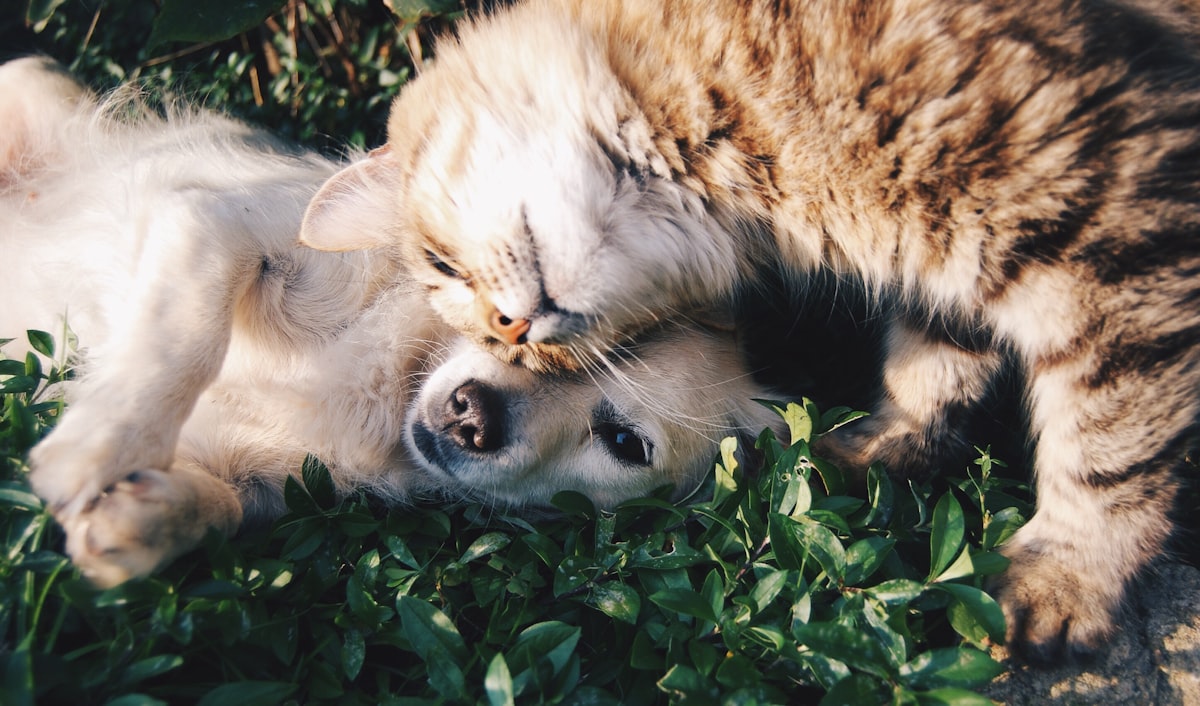
You flip on the kitchen light at 11:40 p.m. and there it is, a roach darting behind the coffee maker. In that moment, safe pest control for pets stops being a vague nice-to-have and becomes the first thing you need to figure out. The good news is that you can deal with roaches without turning your floors, baseboards, or pet hangout spots into a bigger problem.
Safe pest control for pets means choosing the lowest-risk way to control the actual pest, using the right product in the right place, and keeping kids and animals away from treated areas until it is truly safe to return. It does not mean “harmless,” and it definitely does not mean every spray with a green leaf on the label belongs in a home with cats, dogs, toddlers, or all three.
Here’s what you’ll learn in this guide:
- what “safe” really means
- when not to use a pesticide
- which questions to ask first
- which indoor methods tend to be lower risk
- which red flags should stop you
- how to vet a Chicago-area pest company
- how to prep each room
- what to watch for after treatment
Why “pet-safe” should be your first question, not your last
Roach problems create panic, and panic leads to bad decisions. A quick store run, a random spray, a fogger set off before work, then your dog is sniffing the baseboards by dinner. That is exactly backwards.
The right approach starts before any product leaves the shelf or any technician steps through the door. If you have pets or kids, the real goal is not just killing roaches. The goal is getting rid of roaches while keeping treated surfaces, hidden bait placements, and entry points from becoming exposure points.
That matters even more with roaches because the places that attract them also attract everyday family contact. Kitchens, bathrooms, laundry areas, trash pullouts, under-sink cabinets, and warm spots behind appliances are where roaches like to hide. Unfortunately, those are also the places where paws, hands, food bowls, bath mats, and dropped snacks tend to end up.
Here’s the thing: “pet-safe” is not a product category you can trust blindly. It is a decision process. If you ask smart questions up front, you lower risk fast.
What “safe pest control for pets” actually means
Safe pest control for pets means reducing unnecessary exposure while still solving the infestation. That usually looks like correct pest identification, minimal pesticide use, targeted placement instead of wide spraying, EPA-registered products, and strict attention to labels and reentry timing.
Safe does not mean zero risk. It also does not mean natural, organic, botanical, or gentle-smelling. Plenty of plant-based ingredients can still irritate skin, upset stomachs, or cause trouble if a pet licks a wet surface or chews a bait.
Safe for pets vs. safe when used correctly
This is the distinction that gets missed most often. A product may be marketed as pet friendly, but the actual safety depends on how it is used. Dose matters. Placement matters. Drying time matters. Access matters.
A gel bait tucked deep behind a refrigerator is very different from the same material squeezed where a curious dog can reach it. A crack-and-crevice treatment inside a wall void is different from broad spray across a baseboard where a crawling child touches everything. Even EPA-registered products only stay lower risk when the label is followed exactly.
So when you hear “safe,” mentally add four more words: when used exactly right.
Why kids and pets face similar exposure risks
Kids and pets live close to the floor. That alone changes everything. Both pick up residue from carpet, tile, baseboards, and low cabinets. Both touch surfaces first and ask questions later. Hands go into mouths. Paws get licked. Toys and chew items end up under furniture.
Smaller body size can also make exposure hit harder. Michigan State University Extension notes that children and pets are especially vulnerable because of size, behavior, and close contact with treated surfaces. In practical terms, a treatment choice that feels minor to an adult can be a much bigger deal for a cat, a small dog, or a toddler.
Start here: do you need a pesticide at all?
This is the first question worth asking, every time. The EPA even tells consumers to ask whether a pesticide is necessary before using one. That sounds obvious, but it cuts through a lot of bad pest control habits.
For roaches, the safest plan often starts with less chemical use, not more. That is especially true in Chicago apartments, older two-flats, townhomes, and suburban houses where moisture, clutter, and building gaps keep feeding the problem. If the conditions stay perfect for roaches, more spray just means more exposure without a real fix.
When cleaning and repairs can solve part of the problem
Roaches are simple. Give them water, crumbs, grease, cardboard clutter, and dark hiding spots, and they settle in like unpaid roommates.
Start with leaks under sinks, drips behind toilets, damp basements, sweating pipes, and pet water bowls left out overnight. Seal gaps around plumbing lines, baseboards, and cabinet penetrations. Store dry food in sealed containers. Reduce paper bags, cardboard, and clutter under sinks. Empty trash often and wipe greasy residue from stove sides and backsplashes.
None of that is glamorous, but it works because it removes what roaches actually need. If you want a deeper prevention plan after treatment, this guide on stopping repeat infestations in Chicago homes gets into the building habits that keep roaches from coming back.
When a professional treatment makes sense
Sometimes cleaning and repairs only get you halfway. If you keep seeing roaches after doing the basics, especially during the day, you are probably past the point where a simple DIY cleanup solves it.
Professional treatment makes sense when sightings are frequent, droppings show up in multiple rooms, neighboring units are involved, or activity seems to be coming through shared walls, pipe chases, or utility lines. In apartments and condos, one untreated unit can keep the problem alive for everyone else. For property managers, waiting usually costs more later because roaches spread fast and complaints pile up even faster.
The most important questions to ask before any treatment
This is the part to keep handy. Use these questions with a pest control company, a landlord, a building manager, or even a store employee if you are buying something yourself.
What pest are you treating, exactly?
Not every crawling bug in a kitchen needs the same fix. German roaches, American roaches, pantry pests, ants, fleas, and even some beetles can get lumped together by mistake. That is a problem because the wrong treatment wastes time and raises risk without solving the actual issue.
Roach control, especially for German roaches, usually leans on baiting, monitoring, and targeted placement in hidden harborages. That is very different from treating fleas or ants. If nobody can clearly say what pest is present, stop right there.
What active ingredient is being used?
The active ingredient is the part that actually kills, repels, or disrupts the pest. Ask for the exact product name and active ingredient before treatment starts, not after the invoice hits your inbox.
This one question clears up a lot. It lets you look up the label, check reentry instructions, and flag anything that could be a concern around cats, dogs, fish tanks, or small children. It also helps you compare options instead of relying on vague promises like “pet friendly” or “family safe.”
Is the product EPA-registered?
This is one of the easiest trust signals to check. EPA registration means the product has approved directions and has gone through a review process for specific uses. It does not mean harmless. It means there are rules for how it should be used, where, and around whom.
That is a lot better than mystery products, unlabeled mixtures, or random advice from a neighborhood social post. If someone cannot tell you whether a product is registered for the intended use, that is a hard pause.
Where will the product be applied?
Ask for exact placement. Not “the kitchen.” Ask where in the kitchen. Behind the fridge? In cabinet hinges? Into wall voids? Under the sink? Around the dishwasher lines?
Targeted placement is usually safer than broad application because it keeps product where roaches travel, not where your family lives. Crack-and-crevice work, hidden bait placements, and enclosed stations are usually smarter than spraying open floors, baseboards, or pet traffic paths.
How long should pets and kids stay out?
This should never be fuzzy. You want a specific answer based on the actual product and method. Some treatments require staying out until surfaces are fully dry. Some dusts need time to settle. Some bait placements are safe only if placed where nobody can touch them.
One of the most avoidable mistakes is reentering too early. Michigan State guidance is especially clear that kids should stay out while surfaces are wet, and the same logic applies to pets. If the answer sounds casual, push for a real reentry time.
What should you do before and after service?
Preparation changes safety more than most people realize. Ask whether pet bowls should be removed, whether toys and play mats need covering, whether litter boxes should be relocated, and whether aquariums need special protection. Ask when you can vacuum, when you can mop, and whether baits need to remain untouched.
This is also where service quality shows. A good company gives clear prep and follow-up instructions because good treatment depends on them. If you are comparing providers, checking the details before signing anything can save you from a vague service plan that leaves too much unsaid.
Which pest control methods tend to be lower risk indoors
No indoor treatment is completely risk-free. But some methods keep exposure much lower than others, especially for roach control.
Gel baits for roaches
Gel baits are often one of the better indoor options for roaches because they can be placed in hidden spots where roaches feed and travel. Think cabinet hinges, voids, appliance gaps, and areas behind kick plates, not across the middle of the kitchen floor.
The catch is simple: hidden means truly hidden. If a pet can lick it, paw it, or chew nearby cardboard that has bait on it, placement has failed. Done correctly, baiting is targeted and effective. Done sloppily, it becomes a direct contact risk.
Bait stations and enclosed traps
Enclosed bait stations and monitors can reduce direct contact because the active material sits inside a casing instead of out in the open. That makes them useful in homes with curious pets, especially for monitoring where roach pressure is worst.
Placement still matters, though honestly that part gets underestimated. A station pushed under the wrong edge of a cabinet can still become a toy. In apartments with tight kitchens, under-sink corners and appliance-adjacent gaps tend to be better choices than open pathways.
Crack-and-crevice treatments
This term sounds technical, but it just means applying product into narrow gaps where pests hide instead of onto broad exposed surfaces. For roaches, that is often exactly where treatment belongs.
In older Chicago buildings, those gaps show up around pipe penetrations, cabinet seams, wall voids, radiator lines, and spaces behind built-in counters. Targeting those areas usually gives better results with less exposure because roaches get hit in hiding places instead of across family traffic zones.
Insect growth regulators
Insect growth regulators, often shortened to IGRs, do not just kill on contact. They interfere with how pests develop and reproduce. For roaches, that can help break the life cycle over time.
Used correctly, IGRs can support a lower-exposure plan because they work as part of a longer strategy instead of relying only on repeated contact sprays. That is often a better fit for stubborn infestations where monitoring and follow-up matter more than one dramatic visit.
Red flags: treatments and claims that deserve a hard pause
Some pest control ideas sound convenient right up until you look closer. That is where problems start.
“Natural” does not automatically mean safe
Natural is a marketing word, not a safety guarantee. Plenty of essential oils and plant-based ingredients can irritate lungs, burn skin, or upset a pet’s stomach if inhaled, absorbed, or licked.
Yes, some lower-risk products use botanical actives, and sprays were 34.2% of this market in 2025. That does not make every botanical spray a smart indoor roach treatment. The ingredient, concentration, application method, and access still matter more than the vibe of the label.
Foggers and total-release bombs
Foggers are a classic panic purchase, and for roaches they are often a bad one. They throw product everywhere, including places you do not want it, while often missing the tight cracks and hidden voids where roaches actually live.
That means more residue across exposed surfaces without better control. In a home with kids or pets, that tradeoff is terrible.
Outdoor products used indoors
This is a hard no. Outdoor formulations are not interchangeable with indoor ones. The CDC has warned that misuse, including using outdoor pesticides indoors, can cause serious illness.
If a label is not meant for indoor use, do not improvise. Not in the basement. Not in the garage kitchen entrance. Not in the laundry room because “it’s basically outside.” It is not.
Broad routine spraying without a clear plan
“Spray everything” sounds aggressive, but aggressive is not the same as smart. If a treatment plan has no inspection logic, no placement strategy, no monitoring, and no follow-up, it is usually more exposure with less control.
Roach work should look targeted. It should explain where activity is happening, why certain spots are being treated, and what happens next if pressure continues.
How to vet a pest control company in the Chicago area
Chicago-area roach jobs are rarely simple. Shared walls, older plumbing runs, basement moisture, dense kitchens, and neighboring units all complicate the picture. So skip the sales script and ask how the work will actually happen.
Ask about their roach treatment plan, not just the price
A low quote is easy to give. A real plan is harder. Ask how the company handles German roaches, whether bait rotation is used, how activity is monitored, whether follow-up visits are included, and what conditions inside the home need to change for treatment to hold.
A thoughtful plan nearly always beats a cheap one-visit promise. If you want to see what a service-focused approach looks like, this pest control service page shows the kind of before, during, and after care you should expect.
Ask for product names before the appointment
Get the exact names in advance. That gives you time to look up the label, search the active ingredients, and review instructions for pets, children, and reentry.
This matters even more if you have a cat that jumps on counters, a small dog that licks floors, or a toddler spending half the day on a play mat. Tiny habits change which products and placements make sense.
Ask how they protect food, toys, pet areas, and shared spaces
A good provider should speak clearly about pet bowls, litter boxes, aquariums, pantry shelves, feeding stations, toys, and floor-level play areas. In apartment buildings, common hallways, trash rooms, and shared laundry spaces matter too.
This is where tight urban living changes the job. A perfect treatment inside one unit can be undermined by sloppy handling in the hallway or by untreated adjacent spaces.
Ask about follow-up and prevention
Roach control is rarely one-and-done. Ask whether the service includes monitoring, return visits, sanitation guidance, and recommendations for sealing entry points.
If you live in a shared building, a broader plan matters even more. For condo boards and owners dealing with recurring issues, building-wide treatment planning is usually more effective than treating one complaint at a time.
Room-by-room safety checks before treatment day
Treatment goes better when you think through actual contact points instead of doing a rushed cleanup ten minutes before arrival.
Kitchen
The kitchen is usually ground zero for both roach activity and family contact. Move pet bowls, treat crumbs like a magnet, clear out under-sink clutter, and seal pantry goods. Pull small appliances forward if asked, especially coffee makers, toasters, and microwaves that leave warm hiding spots behind them.
If a product will be placed near food prep zones, you should know exactly where. Under a sink or behind a fridge is one thing. Across a countertop edge is another story.
Bathroom and laundry area
Roaches love moisture, and bathrooms quietly supply a lot of it. Check low cabinets, bath mats, towels on the floor, and the area behind the toilet. In laundry spaces, look for leaks, detergent buildup, and clutter near utility hookups.
These rooms also create weird safety overlap. A pet may drink from the toilet, nap on the bath mat, or nose around the hamper. That makes exact placement and drying time especially important.
Living room and bedrooms
At first glance, these rooms may not seem like roach zones. But in apartments, bedrooms often share walls with kitchens, and living room baseboards can become travel routes.
Pick up toys, move pet beds, wash blankets that sit against walls, and ask whether any treatment will happen near sleeping areas. Floor-level life changes the risk here. So does habit. If your dog sleeps against the couch base every night, that matters.
Basement, garage, and utility spaces
In suburban homes in Naperville or Schaumburg, basements and utility rooms can be quiet problem areas. Cardboard storage, pet food bins, damp corners, and floor drains give roaches plenty to work with.
“Out of sight” should not mean “treat carelessly.” These spaces still need restricted access, especially if litter, food, or chew toys are stored nearby. The trick is using those low-traffic zones strategically, not assuming nobody will touch anything down there.
What to watch for after treatment
A good treatment should feel calm afterward, not confusing. You should know what is normal, what is not, and what requires immediate help.
Normal aftereffects vs. warning signs
With bait-based roach control, it is common to see more roaches for a short time as activity shifts and hidden pests come out. That can feel alarming, but it does not automatically mean the treatment failed.
What is not normal: vomiting, drooling, tremors, trouble breathing, unusual lethargy, or clear behavior changes in a pet after exposure. Michigan State notes that pets can show effects earlier because of smaller body size, which makes them an early warning sign when something went wrong. If symptoms appear, contact a veterinarian right away. For urgent poisoning help, the Animal Poison Control Center is 1-888-426-4435.
How to reduce ongoing exposure at home
After treatment, follow the instructions exactly. Wash hands after touching treated-adjacent areas if directed. Wipe paws if needed. Do not mop over bait placements or move stations because they “look messy.” Store leftover products far away from food, medication, and pet supplies.
Exposure in homes is not imaginary. In one biomonitoring study, pesticides were detected in both dogs and people living in the same environment. That is why the boring details, waiting for surfaces to dry, respecting placement, storing products properly, matter so much.
Roach control without guesswork: the best questions for renters and property managers
Roaches in multi-unit buildings do not respect lease lines. If activity is moving through walls, pipe chases, shared trash areas, or hallways, a single-unit fix may only quiet things down for a week or two.
If you rent
Ask your landlord or property manager what pest was identified, what product is being used, where it will be applied, what prep is required, and how long you need to stay out. Also ask whether neighboring units are being checked.
That last part matters more than most renters realize. If your unit gets treated but the unit next door still has active harborages, you may keep seeing movement no matter how carefully you clean.
If you manage a building
Clear communication is half the job. Residents need treatment schedules, prep instructions, reentry timing, and pet safety guidance in plain English. Shared spaces need the same level of care as private units.
Building-wide coordination speeds up control and lowers risk because it reduces random DIY spraying, missed units, and conflicting treatments. In other words, less guesswork, fewer callbacks, better results.
A simple checklist you can use before you say yes to any pest control plan
Before any treatment starts, run through a simple filter. Do you actually need a pesticide right now, or can repairs and cleanup handle part of the problem first? Do you know for sure that the pest is roaches, not something else? Do you have the exact product name and active ingredient, and is it EPA-registered for that use?
Then get practical. Where exactly will it be applied? How long do pets and kids need to stay out? What has to move before service, and what must stay untouched afterward? If any answer is vague, you do not have enough information yet.
Try one thing first: ask for the exact product label before any treatment begins. That single step will tell you more than most marketing promises ever will.
Frequently asked questions
Is pet-safe pest control really safe for cats and dogs?
It can be lower risk, but only when the right product is used correctly and pets cannot access treated areas. Cats and dogs have different sensitivities, so placement, drying time, and label directions matter more than the words “pet-safe” on the package.
What is usually safer for indoor roach control, sprays or baits?
For indoor roaches, targeted gel baits and enclosed stations are often a better fit than broad spraying because product can stay in hidden areas instead of across open floors and baseboards. The safer option is usually the one with less exposed surface contact.
How long should pets stay out after pest control treatment?
That depends on the exact product and method. A specific reentry time should come from the label or the technician’s instructions. As a rule, do not let pets or kids back into treated areas while sprays are still wet or dusts are unsettled.
Are natural pest control products automatically safer?
No. Natural ingredients can still irritate skin, lungs, and stomachs, and some are a bad fit for pets if licked or inhaled. “Natural” is not a shortcut around checking the active ingredient and instructions.
What should you do if your pet seems sick after treatment?
Call a veterinarian right away, especially for drooling, vomiting, tremors, breathing trouble, or unusual tiredness. For urgent advice, contact the Animal Poison Control Center at 1-888-426-4435.
Should renters handle roach treatment on their own?
Small prevention steps are fine, but recurring roaches in apartments often involve shared walls or nearby units. In that case, building coordination matters, and treatment should not happen as isolated guesswork inside one unit alone.