
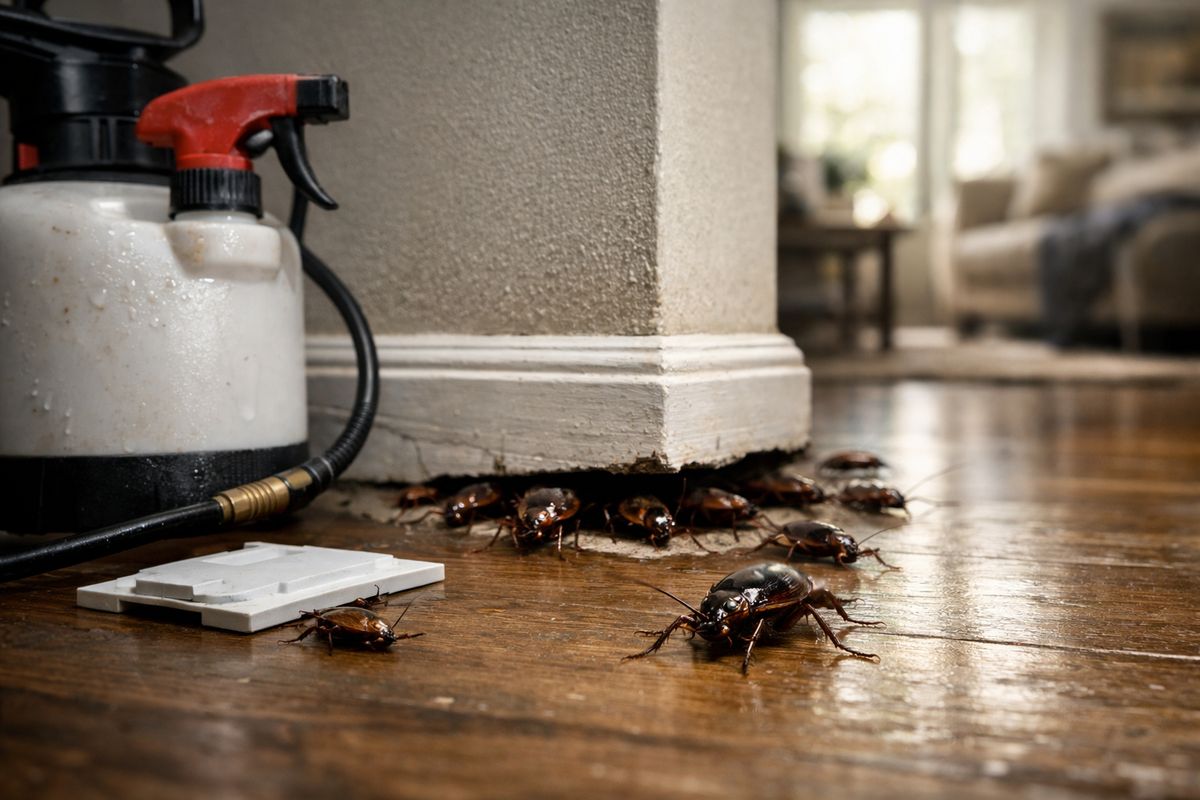
You spray, wipe everything down, enjoy a quiet week, and then at 11 p.m. a roach shoots across the kitchen floor like nothing happened. If roaches keep coming back, the usual reason is simple: the first treatment missed eggs, hidden nesting spots, entry points, or a nearby source that keeps sending new ones in.
Why roaches keep coming back after treatment
Roach problems rarely end because of one spray can or one service visit. Killing the ones you see is only part of the job. The real problem is usually tucked away behind the fridge, inside wall gaps, under the sink, or in the next unit over.
Here’s the thing: roach control is a systems problem, not just a spray problem. If you remove the visible roaches but leave the egg cases, moisture, hiding spots, or access routes, the infestation restarts. In Chicago apartments, older brick two-flats, and larger suburban buildings in places like Schaumburg or Naperville, that pattern is common.
The main reasons your roach problem keeps restarting
Most repeat infestations come down to four causes. Eggs survive. Hiding spots get missed. New roaches come in from somewhere else. Or the treatment simply was not strong enough for the level of infestation.
Egg cases survived the first round
This is one of the biggest reasons a treatment seems to fail. A lot of products kill active roaches but do not solve what is about to hatch. German cockroach egg cases can hatch in 20 to 30 days, which is why a home can seem better for a couple of weeks and then suddenly feel active again.
That rebound can happen fast. Nymphs, which are baby roaches, grow quickly, and a missed pocket can rebuild the problem before you realize it.
Roaches are hiding where spray never reached
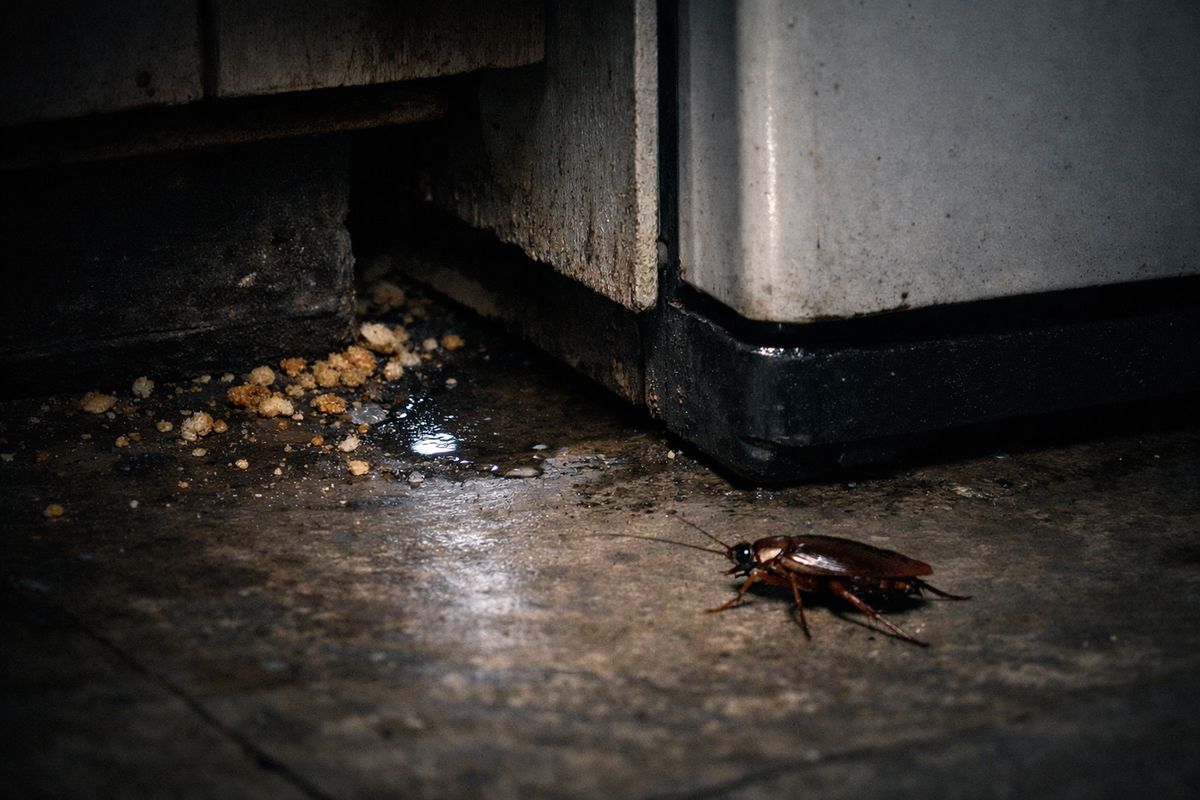
Roaches are built for hiding. Under sinks, behind refrigerators, around dishwashers, inside cabinets, in wall voids, and even inside warm electronics, those are the spots that matter. Spraying open floor edges often looks productive, but key harborage areas are usually out of sight.
Think of it like crumbs under a toaster. You do not see them every day, but they are still there. Roaches live the same way, tucked into tiny spaces until the population gets big enough that you start noticing movement.
New roaches are getting in from somewhere else
Sometimes the original group is reduced, but fresh roaches keep arriving. In apartments and condos, that can mean shared walls, pipe gaps, utility openings, drains, trash rooms, basements, or neighboring units. In houses, it can be deliveries, used furniture, attached garages, or gaps under sinks and around plumbing.
This is why renters often feel like they are doing everything right and still seeing activity. If your place connects to another source, your unit is only part of the picture. If you want a clearer sense of how fast one species can take over, this breakdown of why infestations spread so quickly helps connect the dots.
The treatment was too weak for the infestation
More spray does not equal better control. Honestly, it often makes things worse. Store sprays, bug bombs, and random bait placements tend to underperform, especially with German cockroaches. Some populations have even shown pyrethroid resistance, which helps explain why repeated over-the-counter spraying can feel useless.
Foggers are another common miss. They fill the room, but not the cracks where roaches actually live.
Why this happens so often in apartments and multi-unit buildings
If you live in a rental, condo, or managed building, recurring roaches are often bigger than your own kitchen habits. That matters, because too many people get blamed for a building-level problem.
Shared plumbing and wall voids create roach highways
Roaches move through pipe chases, utility lines, ceiling voids, and cabinet gaps. Pest control calls those hiding and breeding zones harborage, which just means the places where roaches camp out and multiply.
In multifamily housing, building connectivity makes elimination much harder. If one warm, damp path runs behind several kitchens, roaches can travel that route over and over.
One treated unit can be re-infested by the next one
The catch is spot treatment. If only one apartment gets attention, roaches can shift into the next unit, then come back later. In some multi-occupancy infestations, solving the issue may require access to several nearby apartments, not just one.
That is why renters dealing with repeat sightings should document where and when activity happens and push for a broader response. This guide to dealing with shared-wall infestations covers that side of the problem in more detail.
Older buildings and moisture issues make rebound easier
Older caulk, cracked grout, radiator lines, damp basements, sink leaks, and condensation all give roaches exactly what they want. Warmth, moisture, and shelter do a lot of the heavy lifting for them.
In Chicago-area buildings, especially older stock, those conditions are not rare. And once roaches find a dependable water source, they hold on.
Signs the infestation was reduced, not eliminated
A quieter apartment is good news, but it is not proof the problem is gone.
Fewer sightings does not mean the nest is gone
Roaches are nocturnal. If you stop seeing them during the day, that may only mean the population dropped enough to stay hidden. A calm week after treatment can be real progress, but it can also be a pause before eggs hatch.
People also get used to low-level activity faster than expected. That is part of why recurring infestations linger.
Nymphs, droppings, and repeat sightings near water matter
Baby roaches are a big clue. So are pepper-like droppings, smear marks, a musty odor, and repeat sightings under sinks, near pet bowls, behind the stove, or beside the fridge. Those patterns matter more than one random bug near the door.
If you are trying to judge progress, track location, timing, and size. Tiny roaches in the same wet area usually mean active breeding, not a leftover straggler.
What actually helps stop roaches from coming back
The fix is usually less dramatic than people expect. It is targeted, repetitive, and a little boring. That is why it works.
Follow-up treatment is part of the fix, not an extra
A second visit is not a bonus. It is part of proper roach control. Follow-up catches newly hatched roaches and pockets that were not exposed the first time. If you want to know what that looks like in practice, this overview of how a proper treatment plan unfolds lays it out clearly.
Baits, dusts, and targeted placement beat blanket spraying
Roach control works best when products are placed where roaches travel and hide. Baits and dusts target cracks, voids, and traffic areas. Blanket spraying every baseboard usually misses the real problem, and foggers can push activity deeper into hiding.
If recurring sightings are wearing you down, professional roach treatment is built around that kind of targeted placement, not just covering surfaces with chemical.
Cut off water, food, and easy shelter
These steps help treatment work better. They do not replace treatment. Fix leaks, dry the sink before bed, seal pantry goods, wipe grease, limit crumbs, reduce cardboard clutter, and move pet food at night. Small changes matter because roaches do not need much. A damp cabinet corner and a few crumbs can keep a small population going.
Seal the gaps that let roaches return
Caulk around pipes. Close cracks under sinks and behind cabinets. Repair torn screens. Check utility openings and drain gaps. Think of it as shutting the door after clearing the room.
When it’s time to call for professional help
If you keep seeing roaches after DIY products, you are probably not dealing with a small, simple issue anymore.
If you live in a multi-unit building, ask about coordinated treatment
Repeated activity in shared housing usually means the building needs a coordinated plan. Ask whether adjacent units will be inspected if needed. That one question can save a lot of wasted time.
If DIY products keep failing, the problem is bigger than the spray aisle
There is no shame in this. Most people try store products first. But if roaches keep coming back, repeated DIY use can waste weeks and scatter the problem instead of ending it.
What to ask before booking service
Ask whether follow-up is included, whether nearby units may need inspection, what prep is actually necessary, and how moisture and entry points will be handled. A good plan should deal with the source, not just the symptoms.
Common questions about roaches coming back
Does seeing roaches after treatment mean it failed?
Not always. Some activity right after treatment can be normal. But repeat sightings a few weeks later often mean eggs hatched, survivors remained, or new roaches are getting in.
How long does it take to get rid of roaches for good?
Light infestations can improve quickly. Established infestations usually take more than one visit, plus better control of moisture, food, and access points. For a realistic timeline, it helps to see what affects the cleanup window.
Can clean homes still get roaches?
Yes. Cleanliness helps, but it is not the whole story. Shared walls, plumbing, leaks, and nearby infestations can bring roaches into even very tidy homes.
What’s One thing to do today?
Pull out the fridge and check for droppings, moisture, or gaps nearby. That spot often tells you right away whether the problem is still active.
Frequently asked questions
Why do roaches show up at night after treatment?
Roaches are mostly active in the dark, so nighttime sightings are common even when the population has dropped. Seeing one at night does not prove the treatment failed, but repeated sightings in the same area usually mean the source is still nearby.
Are bug bombs worth trying?
Usually no. Foggers rarely reach the cracks, voids, and hidden spaces where roaches spend most of their time. They can also push roaches deeper into walls and cabinets.
Do landlords have to deal with recurring roaches?
In many rental situations, recurring roaches are a property issue, especially when shared walls, plumbing, or neighboring units are involved. Report sightings in writing and include where and when you saw them.
Why are baby roaches a bigger warning sign?
Baby roaches mean breeding is happening nearby. One large roach can wander in, but nymphs usually point to an active nest or harborage close to water and shelter.
Can one apartment cause the whole building to keep getting roaches?
Yes. One heavily infested unit, a trash area, or a damp utility space can keep feeding the problem. In connected buildings, one untreated source can undo treatment elsewhere.
If you try one thing today, make it this: check behind the fridge tonight. That one spot tells the truth faster than almost anywhere else in your home.