

If you’re searching for the hardest pest to get rid of in Chicago, you’re probably already losing sleep over bites, droppings, or that awful feeling that something is hiding where you can’t reach it. Here’s the short version: bed bugs are usually the hardest pest to get rid of in Chicago, with German cockroaches close behind, and the reason comes down to hiding, spreading, and surviving longer than most people expect.
The short answer: in Chicago, bed bugs are the hardest pest to get rid of
Picture getting home to a high-rise in River North, dropping a suitcase by the bed, and noticing bites two mornings later. That’s exactly the kind of slow, sneaky start that makes bed bugs the strongest answer here.
Bed bugs are the hardest pest to get rid of because they stay hidden, travel easily from place to place, and usually need more than one treatment to fully eliminate. Roaches can be brutal too, especially German cockroaches in kitchens and apartment buildings, but bed bugs usually win this unpleasant contest because they’re harder to spot early and easier to spread between rooms and units.
Why bed bugs win this unwanted contest
Bed bugs are tiny, mostly active at night, and built for hiding. Adults are only about 3/16 inch long, and younger ones are even smaller, so a growing infestation can stay out of sight for weeks.
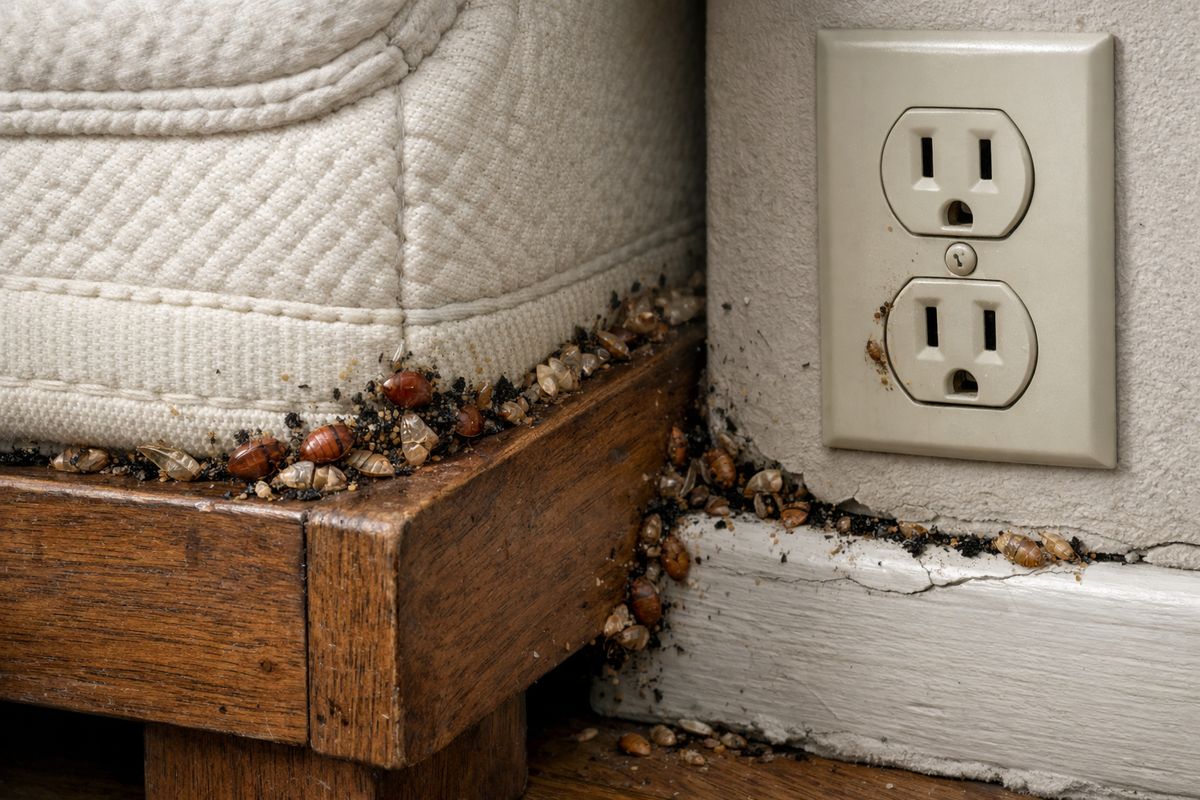
The catch is where you find them. Bed bugs tuck into mattress seams, bed frames, baseboards, outlet covers, furniture joints, and cracks near sleeping areas. Once inside, bed bug treatment from a local Chicago pest company is usually far more effective than trying to chase them with random store sprays.
They hide like pros and spread before you notice
Most people don’t spot bed bugs crawling around in broad daylight. You usually notice bites, rust-colored marks on sheets, or tiny shed skins first, and by then the problem is already established.
In dense Chicago housing, that gets worse fast. Bed bugs can move through apartments, condos, dorms, and shared-wall buildings with very little help. Add luggage, backpacks, laundry bags, and used furniture, and you’ve got a pest that spreads like glitter in a carpet. Annoying, persistent, and suddenly everywhere.
They can survive a long time and keep rebounding
Waiting them out does not work. Illinois public health guidance says bed bugs can survive more than a year without feeding in some cases, which is one reason vacant rooms and lightly used spaces can still hold an infestation.
A single female can lay 3 to 5 eggs a day. That sounds small until you do the math. A problem that starts with a couple of bugs can turn into a full infestation before you’ve even decided whether the bites are from mosquitoes, dry skin, or something else.
Why Chicago has such a big bed bug problem
Chicago isn’t just unlucky. The city has the exact mix bed bugs like most: dense housing, constant travel, apartment turnover, hotels, public transit, and plenty of chances to hitchhike home.
Chicago’s Rankings Aren’t just hype
Chicago ranked No. 1 in 2026 on Orkin’s Bed Bug Cities List for the sixth straight year. That ranking came from treatment data across residential and commercial jobs, so it reflects repeated, real-world activity, not just buzz.
Other rankings do vary by company and dataset. Terminix, for example, placed Chicago sixth on its list. But that still makes the point: bed bugs are a real, repeated Chicago problem, not a random guess for this topic.
Apartments, travel, and turnover make the catch bigger
Shared buildings make everything tougher. Frequent move-ins, move-outs, guests, deliveries, and neighboring units create more chances for bed bugs to spread without anyone noticing right away.
And this is not only a downtown issue. In places like Naperville and Schaumburg, travel, multi-family housing, shared laundry rooms, and secondhand furniture can still bring bed bugs through the door.
Why roaches feel like the hardest pest for so many Chicago homes
If your real problem is roaches, especially in the kitchen at 11 p.m. when you flip on the light, bed bugs probably don’t feel like the main character. Roaches can absolutely feel harder because they seem nonstop, dirty, and impossible to fully wipe out.
That feeling is valid. In many Chicago homes, severe roach problems are the daily battle, especially if you’re dealing with fast-spreading kitchen infestations in older buildings or multi-unit properties.
German cockroaches multiply fast and love urban buildings
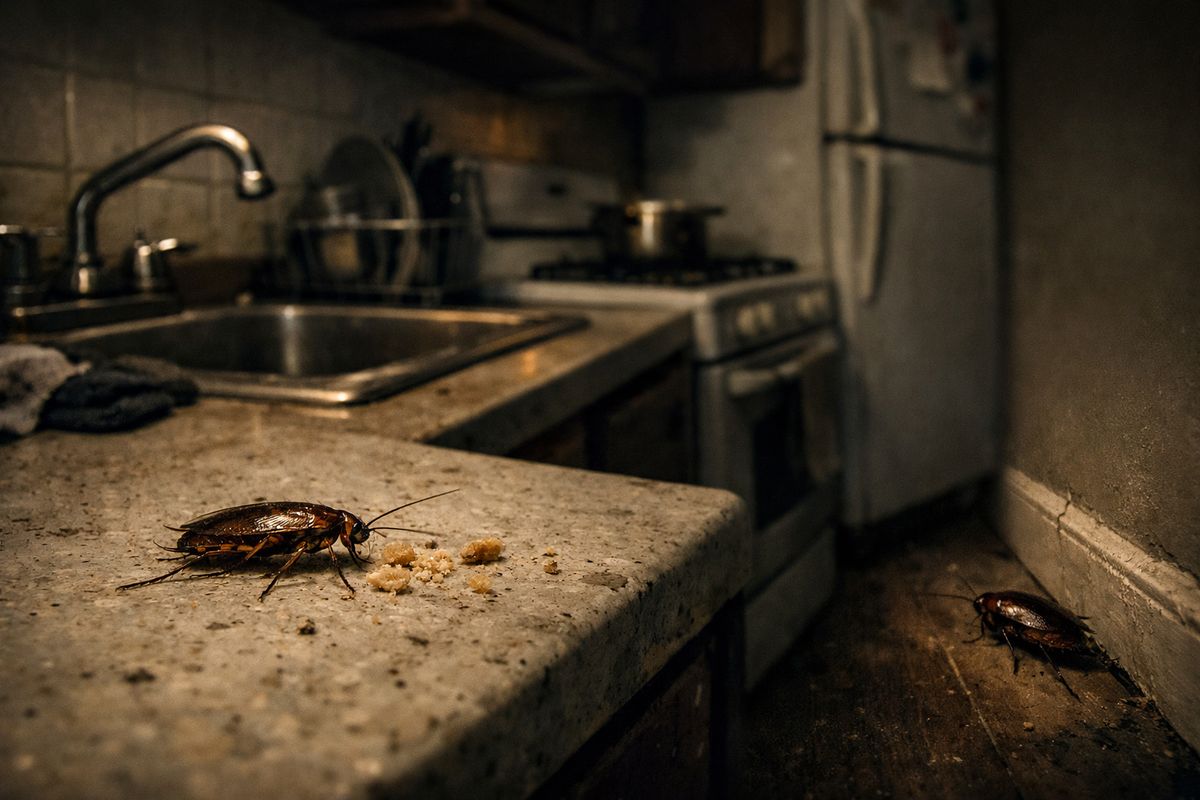
German cockroaches breed quickly, hide in warm tight spots, and never need much to survive. A little water under the sink, grease behind the stove, crumbs under the fridge, and a damp area near the dishwasher can be enough.
In apartment buildings, the problem rarely stays inside one unit. Roaches move through walls, pipes, utility lines, and gaps under cabinets. If that cycle sounds familiar, it helps to understand why infestations keep returning after treatment, because surface spraying alone rarely fixes the source.
Bed bugs vs. roaches: which one is actually worse?
Roaches are usually easier to spot. That’s the only good news. Bed bugs are better at staying hidden and easier to carry from one place to another, which makes them harder overall.
So here’s the direct call: bed bugs are usually the harder pest to eliminate in Chicago, but a severe German roach infestation is one of the toughest indoor pest problems you can have. If you want a closer side-by-side breakdown, this comparison of which pest is tougher to control gets into the differences.
How to tell if you have bed bugs, roaches, or something else
Misidentifying the pest wastes time, money, and patience. And honestly, it happens a lot.
Signs of bed bugs
Look for bites, rust-colored stains on sheets, shed skins, tiny white eggs, or live bugs hiding near mattress seams, headboards, couches, and cracks close to where you sleep. Bites alone do not confirm bed bugs, because plenty of skin reactions look similar.
Signs of roaches
Roaches usually show themselves at night. You may notice live bugs, pepper-like droppings, a musty smell, egg cases, or activity in kitchens, bathrooms, basements, and utility spaces. That constant kitchen-and-bathroom pattern is a big clue.
Common mix-ups that waste time
A lot of supposed bed bug problems turn out to be something else. According to 90% of pest pros, homeowners often misidentify bed bugs, and common mix-ups include carpet beetles, flies, and even cockroaches.
Using the wrong treatment after the wrong ID is like using the wrong key on a stuck lock. You can keep forcing it, but nothing opens.
Why DIY usually falls short
DIY sounds cheaper until it stretches the problem out for weeks or months. The main issue is simple: pests live where surface sprays don’t reach.
The trouble with DIY bed bug treatments
Store sprays may kill exposed bugs, but they often miss eggs and hidden bugs deep in cracks or furniture joints. Worse, sloppy treatment can scatter bed bugs into new hiding places.
Vacuuming and mattress encasements help, especially as part of a larger plan, but once an infestation is established, they’re usually not enough on their own. Professional help matters here because treatment has to be methodical, not random.
The trouble with DIY roach treatments
Roach sprays can push roaches deeper into walls or teach them to avoid treated areas. Foggers often miss the spots that matter most and can make the problem harder to track.
Cleaning helps, of course, but heavy infestations in shared buildings usually need a coordinated approach. If you’re in that situation, tenant-focused guidance for apartment roach problems can help you avoid the usual back-and-forth.
What actually works when the problem is serious
When the infestation is real, treatment has to hit hiding spots, monitor results, and come back for follow-up. One-and-done is rarely enough.
Professional bed bug treatment
Effective bed bug service usually starts with a detailed inspection, followed by targeted treatment and follow-up visits. Integrated pest management means using more than one method, such as vacuuming, mattress and box spring encasements, crack-and-crevice treatment, monitoring, and heat when it fits the situation.
That layered approach works better because it goes after the bugs you see, the bugs you don’t, and the eggs waiting to hatch. For many Chicago infestations, that’s the difference between temporary relief and actual control.
Professional roach treatment
Serious roach control usually includes inspection, baiting, dusts in wall voids, growth regulators, and follow-up service. The point is to treat hiding spots while also cutting off food, water, and access.
If you want a clearer picture of how that unfolds, this guide to what a full roach service looks like breaks down the process.
What you can do right now to keep the problem from getting worse
You do not need to wait passively. A few smart moves can buy time and reduce spread before treatment starts.
If you suspect bed bugs
Keep bedding isolated, reduce clutter near the bed, and avoid moving furniture, blankets, or pillows from room to room. Check mattress seams and headboards with a flashlight. Dry dryer-safe clothing on high heat for 30 minutes after travel, and keep luggage off beds and floors.
If you suspect roaches
Fix leaks, store food in sealed containers, wipe up crumbs and grease, and take out trash quickly. Skip random foggers and spray-heavy DIY fixes, because those often drive roaches deeper into the building.
How to prevent the hardest pests from coming back
Prevention is less glamorous than treatment, but it’s what keeps you from doing this all over again.
Smart bed bug prevention for Chicago life
Inspect hotel rooms before unpacking, use luggage racks, keep suitcases zipped, and check secondhand furniture carefully before bringing it inside. After a trip, heat-dry dryer-safe clothes on high. In Chicago, where weekend travel, shared laundry rooms, and dense apartment living are normal, those habits matter more than you’d think.
Smart roach prevention for homes and multi-unit properties
Seal gaps, manage moisture, reduce clutter, and keep a close eye on kitchens and utility rooms. In multi-unit properties, quick response matters because one untreated unit can keep the problem alive for everyone.
When It’s time to call for help
If you’re seeing repeated signs, getting fresh bites, finding activity in more than one room, or losing ground after DIY attempts, it’s time to bring in a professional. In Chicago, bed bugs are usually the hardest pest to get rid of, with German roaches right behind them, and both problems get more expensive the longer they sit.
Try one thing today: inspect the room where you’ve noticed the most activity and write down exactly what you see before treatment starts. That simple step makes the next move faster and smarter.
Frequently asked questions
What is the hardest pest to get rid of in Chicago?
Bed bugs are usually the hardest pest to get rid of in Chicago because they hide well, spread easily, and often need professional treatment plus follow-up visits.
Are roaches harder to get rid of than bed bugs?
Usually no. Roaches are brutal, especially German cockroaches, but bed bugs are typically harder overall because they’re tougher to detect and easier to carry from place to place.
Can bed bugs go away on their own?
No. Bed bugs do not usually disappear on their own. Without proper treatment, the infestation often grows or spreads to new rooms or neighboring units.
Why do roaches keep coming back after treatment?
Roaches come back when the nest source is still active, food and moisture are still available, or nearby units remain untreated. In apartment buildings, that cycle is very common.
Should you try DIY pest control first?
For a small, early issue, cleanup and monitoring can help. But for bed bugs or a serious roach infestation, DIY often misses the real hiding spots and delays the fix.