
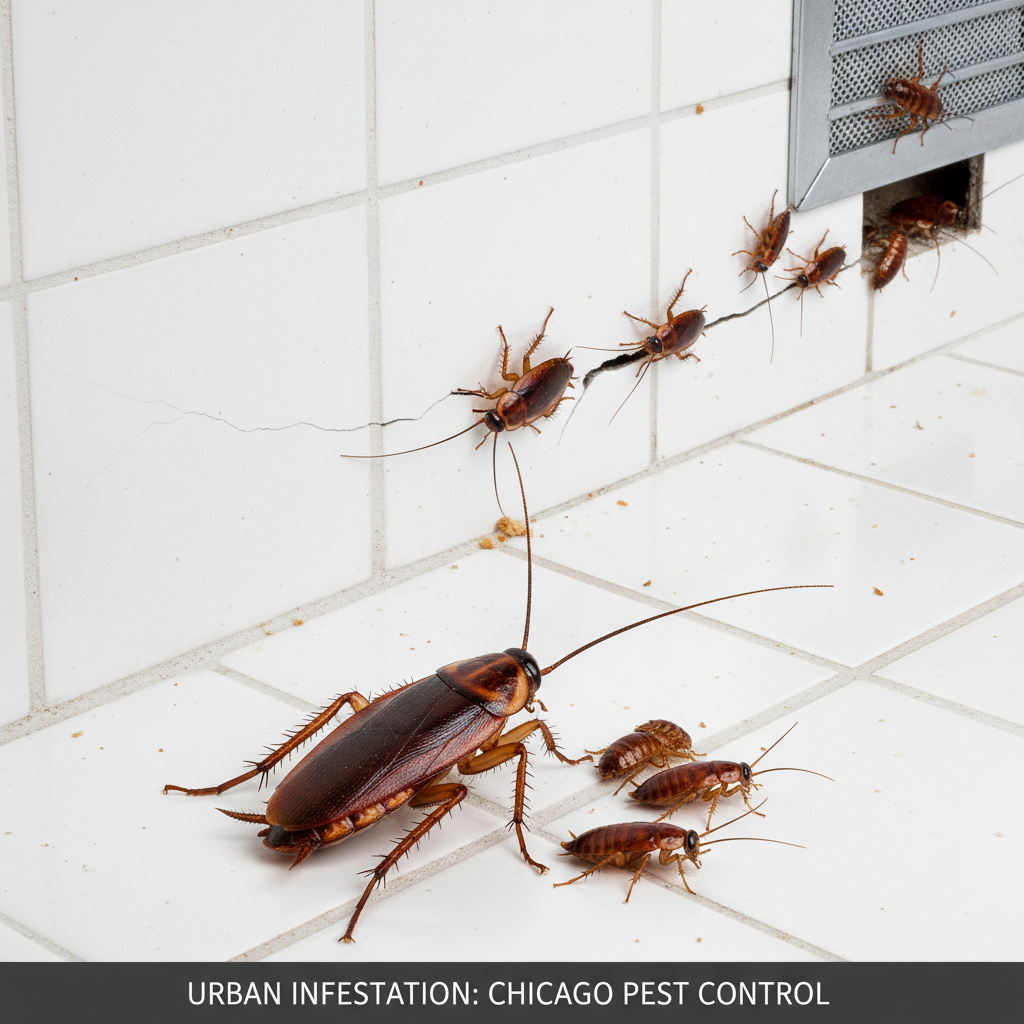
Natural light might brighten your living room, but if you share that space with a cluster of scurrying bugs, it’s hard to feel relaxed. A German cockroach infestation in Chicago feels especially daunting, because this stubborn pest spreads quickly through multi-unit buildings and thrives on the slightest bit of leftover food. Thankfully, you can avoid plenty of pitfalls simply by knowing what makes these roaches tick and taking prompt, targeted action.
In the sections below, you’ll discover how to detect German cockroaches, the mistakes many Chicagoans make when trying to get rid of them, and the solid strategies that truly work. By adopting a methodical plan, you’ll be far more likely to reclaim your kitchen, protect your family’s health, and keep roaches from staging unwanted comebacks.
Understand why roaches love Chicago
German cockroaches need warmth, moisture, and food. According to the Illinois Department of Public Health, these roaches prefer living near kitchens or bathrooms where crumbs and water are readily available [1]. Because Chicago has plenty of older buildings with communal walls, roaches can travel through shared piping or tiny cracks to invade new spaces. If just one tenant leaves dirty dishes overnight or stores food improperly, roaches multiply fast in that single apartment, then spread to the neighbors.
These pests usually cannot survive the city’s harsh winters outdoors, so they bunker indoors for year-round shelter. Once they’re inside, a German cockroach infestation is tough to stop without deliberate effort. In warm, food-rich apartments, each female can produce multiple egg capsules. You might be seeing only a handful of adult roaches at a time, but dozens of nymphs could be hiding out of sight.
Spot the common mistakes
A few missteps can make your German cockroach infestation worse. Here are some of the most common:
- Neglecting thorough cleaning. Wiping down counters might not seem enough. Even small grease splatters under appliances can nourish roaches and sustain their population.
- Overusing random sprays. Roaches often scatter away from strong insecticides, which means a disorganized approach can prompt them to hide deeper in walls, spreading the infestation.
- Skipping entry-point repairs. If you don’t seal cracks around plumbing or fix loose baseboards, roaches slip back into the same nooks and crannies.
- Ignoring the neighbors. In a shared building, roaches happily migrate between units. If you don’t coordinate extermination efforts, the problem just shifts from one apartment to another.
Often, people throw money at multiple do-it-yourself products without addressing these core issues. If you only kill the roaches you see, you’re leaving behind countless eggs and hidden pockets of infestation.
Focus on thorough, targeted strategies
German roaches are known for their rapid reproduction rate, and ignoring that fact leads to incomplete treatments. You’ll find more details about their breeding cycle in rapid reproduction German roaches. But at a high level, each egg capsule can hold up to 30-48 eggs. That is why you need a multifaceted strategy.
Start with sanitation. A roach will feed on anything from crumbs under the stove to residue on old cardboard boxes. Make sure you’re cleaning regularly, tossing greasy takeout containers, and vacuuming tight corners where food particles might accumulate. Getting rid of clutter also helps reduce hiding spots.
Next, seal gaps around pipes, baseboards, and windows. Take a close look under your sink and behind your fridge, because these areas are prime roach highways. A bit of caulk or weather stripping can go a long way.
Then, apply baits. If you’re new to roach bait stations, you can learn more about them in best treatment for German roaches. Baits generally encourage roaches to feed on poison and then travel back to their hidden nest, where they spread the toxin to others. This tactic is especially effective if you place fresh baits near known roach traffic zones.
Avoid spreading the infestation
Your efforts might stall if you accidentally push roaches into other rooms or adjacent apartments. When you spot roaches in your unit, don’t spray them randomly or chase them out of one room into another. Instead, calmly follow your pest management plan.
If you live in a building with shared walls, consider talking to your neighbors or property manager. Roaches will happily crawl from unit to unit if they find an opening. Although you’re handling your own home’s cleanup and sealing process, a neighbor who’s not controlling a roach problem might spark another infestation cycle. Communicating openly and setting a coordinated extermination schedule helps everyone.
Stay consistent to prevent comebacks
One major mistake is assuming that after a few dead roaches, the entire colony is gone. Even if you’ve squashed several adults, any hidden egg capsules can hatch a new generation in as little as a month. You’ll want to continue vacuuming and refreshing bait stations frequently. That means checking behind kitchen cabinets, under the sink, or near your trash can. Permanent vigilance is key to preventing a relapse.
It’s also wise to maintain tidy habits, such as not leaving pet food out overnight, washing dishes promptly, and taking out the garbage daily. For extra guidance, see preventing German roach infestation. Keeping up with these routines ensures that roaches don’t find easy pickings for re-infestation.
When to seek professional help
Sometimes, no matter how thoroughly you clean or how many entry points you seal, roaches keep reappearing. In multi-unit buildings, it’s possible someone else’s roaches are coming through shared conduits. If you’ve reached that point, you may need an integrated approach carried out by a licensed pest control professional.
Look for experts who use methods aligned with Integrated Pest Management (IPM). IPM strategies emphasize inspection, consistent monitoring, baiting, and the responsible use of chemicals. According to the Illinois Department of Public Health, IPM is more sustainable because it targets the pest’s habitat and life cycle, reducing the chance of another flare-up [1].
If you’re in Chicago and need a thorough, proven solution, schedule an inspection with Midwest Pest Solutions LLC’s pest control services. Their team focuses on sealing roach entry points, placing targeted baits, and following up to ensure the colony is truly gone. Once roaches have marched into your home, consistent and comprehensive treatment is the only reliable way to send them marching out.
Key steps for your peace of mind
Below is a quick summary to keep at your fingertips. Address each step carefully:
- Keep a spotless house, removing grease, crumbs, and clutter.
- Inspect and seal common entry points like gaps and cracks.
- Use roach baits strategically in corners and cabinets.
- Coordinate efforts with neighbors or management in multi-unit buildings.
- Follow up regularly, and don’t assume you’re roach-free until you see no signs for several weeks.
Remember, a German cockroach infestation in Chicago doesn’t have to go unchecked. Knowing the mistakes to avoid is half the battle. If you maintain clean habits, stop roach traffic routes, and combine baits with ongoing vigilance, you’ll be far less likely to run into another late-night scuttle across the kitchen floor.
Once you eliminate the active infestation, be sure to visit German roaches in Illinois for more information on where they tend to strike statewide. By staying informed, you can turn your home back into a comfortable, pest-free haven.