
Meet the rapid reproduction of German roaches\
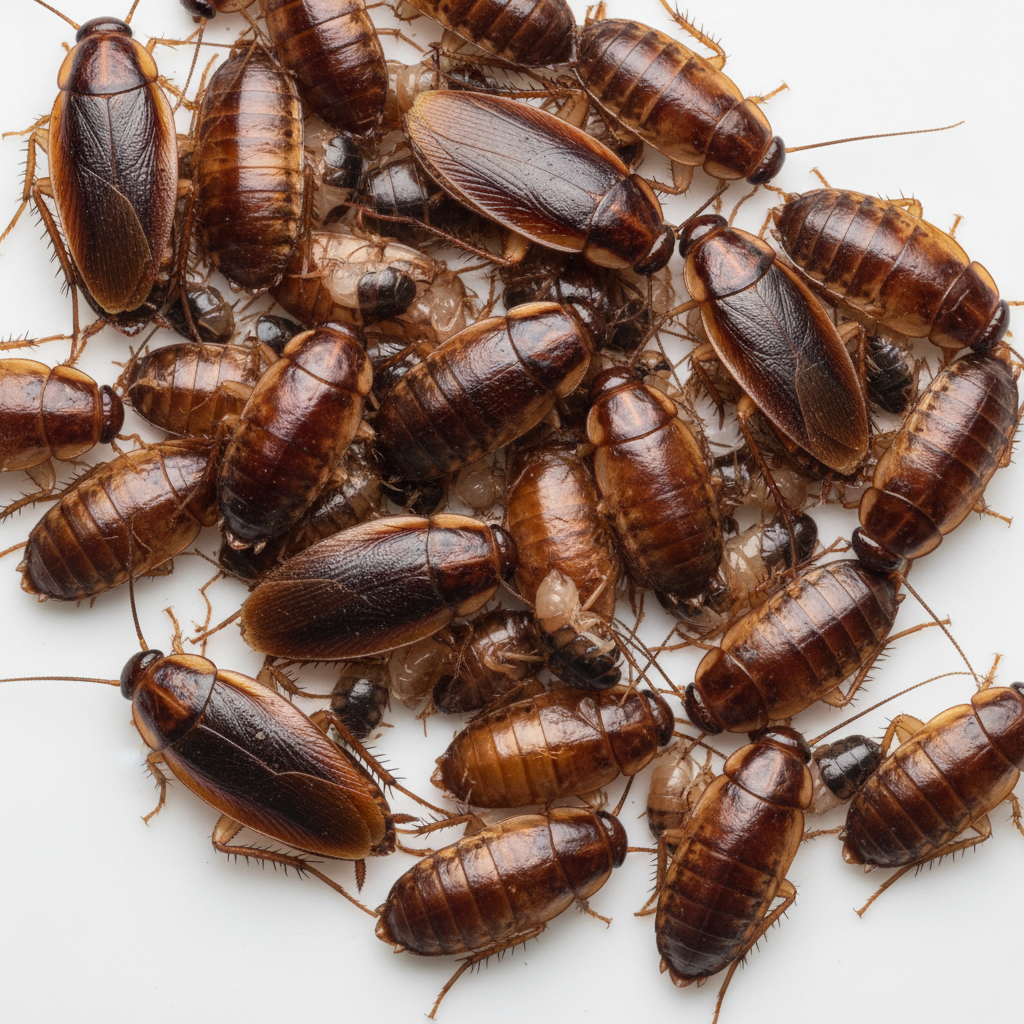
German roaches are notorious for how quickly they can multiply, especially in cities like Chicago. Even if your kitchen looks clean, these resilient pests sneak in through cracks, hitch rides on groceries, and hide in cluttered corners. Before you know it, they’ve established hidden nests where they can lay dozens of eggs at a time. This rapid reproduction german roaches exhibit can catch you off guard, so recognizing their habits is crucial.
Their scientific name is Blattella germanica, and according to research from NC State Extension, gravid female German cockroaches carry egg capsules (oothecae) attached to their abdomen, each containing dozens of developing roaches. When these pests find warmth, moisture, and food scraps, their population grows exponentially. Swift action is key, because once they get comfortable in your space, they can quickly spread to neighboring apartments and other rooms in your home.
Spot the early signs of infestation\
You might not realize you have a roach issue until you see multiple scuttling across the counter. In truth, even a few unusual sightings, particularly in daytime, can signal an established infestation lurking behind walls or under appliances.
• Notice droppings: German cockroach feces can look like black pepper flakes or coffee grounds. If you spot these in your cabinets or near food, it’s time to investigate further.\
• Look for egg cases: Oothecae can be found in drawers, along baseboards, or beneath the sink. Finding these brownish capsules could mean dozens of baby roaches are on the way.\
• Catch unpleasant odors: When roaches reproduce in large numbers, they may produce a musty scent that lingers in corners or dark areas.\
• Watch for body parts or smears: Shed skins and small smudge marks on walls or floors indicate high-traffic areas for roaches.
If you recognize these signs, it’s wise to look into targeted strategies that tackle both adult roaches and their eggs. You can read more on local species in German roaches in Illinois to see why they’re so common across the state.
Understand the reproduction cycle\
Rapid reproduction in German roaches depends on a few factors: how quickly females produce oothecae, how many eggs survive, and how soon the nymphs mature into breeding adults. Under ideal conditions (temperatures between 75 and 85°F, humidity above 70%), these bugs complete three or four generations in a year.
Here’s a simplified snapshot of their life cycle:
| Stage | Duration | Notable facts |
|---|---|---|
| Egg | 20–30 days | Female carries ootheca until just before hatch, giving eggs better survival. |
| Nymph | 40–60+ days | Rapid molting cycle, can mature faster in crowded, warm, humid places. |
| Adult | Up to one year | Begins reproducing within days of maturity, potentially creating hundreds more. |
(Source: Adapted from NC State Extension insights)
Because of this compressed life cycle, you can go from a few newly hatched nymphs to a major infestation in a matter of months. Overlapping generations mean there’s almost no downtime in the roach population. Multiple egg cases develop at once, guaranteeing that every hidden crevice might be harboring new roaches.
Stop unit-to-unit spread\
German roaches don’t stay put. Once they take hold in one apartment, they can slip through utility lines or shared walls into adjacent units. This explains why entire apartment complexes sometimes struggle with ongoing roach problems. You may be fastidious about cleaning, but if your building neighbors aren’t, you’ll be fighting a constant uphill battle.
Here’s how you can reduce their ability to migrate:
- Seal entry points: Use caulk or weatherstripping around doors, windows, pipes, and vents. Even tiny cracks can become thoroughfares for roaches.
- Eliminate water leaks: Roaches rely on moisture to survive, so fix dripping faucets or leaky pipes. A dry environment makes it harder for them to breed.
- Tidy shared areas: Encourage neighbors to keep communal hallways and trash rooms free of clutter and crumbs. Everyone in the building has a stake in controlling roaches.
- Communicate with management: If you are renting, share any sign of roaches with your landlord or property manager. Early reporting helps prevent the infestation from spreading further.
If you’re already dealing with a larger problem, learn more about stopping a German cockroach infestation Chicago before it gains a stronger foothold.
Adopt effective control methods\
Controlling German roaches requires a combination of prevention, home remedies, and professional interventions. Because these pests breed across multiple sites, a single strategy rarely wipes them out entirely.
Clear out clutter and food sources\
Effective prevention often starts with sanitation. Roaches thrive when they have easy meals, so limit their access to food and water:
• Store food securely: Put cereals, snacks, and pantry staples in sealed containers.\
• Vacuum regularly: Remove crumbs from floors, counters, and corners.\
• Wipe down surfaces daily: Keep kitchen counters and stovetops free of grease and spills.\
• Rinse recyclables: Food residue in cans or cartons can attract roaches overnight.
This type of diligent housekeeping doesn’t guarantee complete elimination, but it significantly lowers the roaches’ ability to reproduce quickly. You can find additional tips at preventing German roach infestation.
Use targeted treatments\
Recall that German roaches often hide in secluded areas: behind the fridge, near the stove, inside cabinet cracks, and under plumbing fixtures. Therefore, the best treatments reach these hidden spots:
• Gel baits: Small dabs of bait placed in corners, under cabinets, and behind appliances lure the roaches out. When one roach consumes the bait and dies, the toxins can spread through roach cannibalism.\
• Bait stations: Similar to gel, but packaged in a plastic station. They work well under sinks, behind toilets, or in corners of the kitchen.\
• Insect growth regulators (IGRs): These disrupt roaches’ normal development, preventing nymphs from maturing fully.\
• Dust applications: Diatomaceous earth or other insecticidal dusts can be puffed into crevices where roaches run. The dust sticks to them and eventually kills them by dehydration or toxin.
Tackling every life stage is critical. Baits may kill adults, while IGRs and dusts hamper eggs and nymphs. Used together, you get a more complete solution.
Consider professional help\
Because German roaches hide well and reproduce so fast, do-it-yourself methods don’t always solve the issue. In many urban settings, roaches have built resistance to certain over-the-counter sprays, and they often come back even with thorough home treatments. Professional exterminators use specialized equipment and insecticides that roaches have not yet developed immunity to. They can also treat multiple units at once if you live in a multi-family building.
If you want a thorough approach, reach out for professional guidance. Checking out comprehensive options can be as easy as exploring the available pest-control services right in your area. For a detailed look at potential solutions, visit: https://midwestpestsolutionsllc.com/pest-control-services/
Blend multiple methods\
Roach control is never a one-step fix. Professionals might combine baits, IGRs, and residual sprays to prevent roaches from retreating to safe zones and repopulating. Then, it’s up to you to maintain sanitary conditions. If you’re curious about stronger measures, you can find the best treatment for German roaches to ensure the problem doesn’t come back.
Protect your home long term\
German roaches increase their numbers so quickly because they have access to everything they need indoors. Once you get them out, preserving a roach-free home means depriving them of warm hiding spots and easy meals.
Maintain a well-sealed home\
Go beyond short-term fixes by inspecting your home’s entire perimeter:
• Patch tiny gaps around window frames and doors.\
• Replace worn door sweeps that allow pests to slip in.\
• Keep drains covered, especially in ground-floor apartments.
You can also add door stoppers to large interior door gaps that let roaches move from one room to another. A minor draft stopper or rubber threshold can make a surprising difference.
Streamline kitchen storage\
Since roaches gravitate to kitchens, keeping counters and floor spaces clear greatly reduces your risk:
• Condense pantry goods into stackable containers.\
• Use under-shelf baskets for small items like tea bags or seasoning packets.\
• Wipe your stovetop and hood filter weekly to remove grease.
When your kitchen is tidy, roaches have fewer nooks to settle in. You’ll also spot any droppings sooner, helping you catch re-infestations fast.
Stay vigilant about moisture\
Because roaches need water constantly, any consistent moisture source becomes a magnet. Keep a close eye on these trouble spots:
• Bathroom leaks or drips behind the toilet\
• Condensation on pipes in the basement\
• Unattended pet water bowls\
• Overwatered houseplants with drenched soil
Fix leaks quickly and wipe up spills and standing water in sinks or tubs. If you notice a persistent moisture problem in high-humidity rooms, consider a dehumidifier to make the environment less welcoming.
Follow up with routine inspections\
One of the best ways to stop a small roach problem from spiraling into a massive infestation is to schedule periodic checks of your kitchen, bathroom, and basement. Look under sinks, behind appliances, and in closets where roaches might go unnoticed. Catching one or two fresh roaches early can save you from a major headache down the line.
If you’re curious about why this species flourishes in older urban housing, see guidelines on German roaches in Illinois to learn more about their prevalence. And if you’ve already noticed them popping up around your property, it may be time to refresh your approach with german cockroach infestation Chicago solutions.
Final thoughts and next steps\
German roaches multiply with startling speed, quickly overtaking kitchens, bathrooms, and entire apartment complexes if no one takes action. You don’t have to surrender. By combining vigilant cleaning, thorough home repairs, and targeted treatments, you can cut off the conditions that let rapid reproduction German roaches thrive.
If you’ve been putting off professional help, remember that roaches are tireless adapters. An expert team can coordinate a plan tailored to your environment, ensuring they treat hidden nesting spots and address every stage of the roach life cycle. For more details on effective pest control services, consider visiting: https://midwestpestsolutionsllc.com/pest-control-services/
Keeping roaches out is an ongoing process, not a one-time task. Every effort you make to seal gaps, reduce clutter, and limit access to food pays off in fewer roach sightings. Take the first step by implementing one or two small changes today, such as sealing a doorway or organizing your pantry. Once you see the difference, you’ll feel more confident striking back against these stubborn pests. And if the roaches do make a comeback, you’ll know exactly what to do to stop them from truly taking over.