
If you’re dealing with repeated sightings, mystery droppings under the sink, or roaches that keep showing up no matter what you spray, professional roach extermination usually stops being optional and starts making sense. This guide breaks down when to hire it, what you should expect from the service, and how to choose the right provider in Chicago, Naperville, Schaumburg, and other nearby areas without getting sold on the wrong thing.
What Professional Roach Extermination Actually Means
Professional roach extermination is more than someone walking in, spraying baseboards, and leaving 20 minutes later. A real service starts with inspection, figures out which roach species you’re dealing with, treats the right hiding spots, monitors activity, and helps prevent the problem from flaring back up.
That’s the big difference between a quick spray job and an actual control program. Roaches hide in wall voids, behind appliances, under sinks, around plumbing lines, and inside cabinets. If the treatment only hits the insects you can see, the breeding population often stays put.
Modern pest companies increasingly use IPM, or integrated pest management. That means they combine sanitation advice, exclusion, monitoring, and targeted product use instead of relying only on chemicals. That shift is real, not marketing fluff. IPM-based service contracts made up about 41% of professional pest management engagements globally in 2025, up sharply from a few years earlier.
If you’re trying to understand what a quality local service should look like, the benchmark is pretty simple: inspect first, identify correctly, treat precisely, and come back if needed. That’s also the approach used by Midwest Pest Solutions’ roach control service, which focuses on targeted treatment instead of one-size-fits-all spraying.
Why roaches are such a stubborn pest in Chicago-area homes and buildings
Chicago-area buildings give roaches a lot of what they want: heat, moisture, food, and endless hiding places. Older housing stock, shared walls, basement utility runs, restaurant corridors, garbage rooms, and dense blocks all make it easier for infestations to spread.
In the city, that often means classic trouble spots like vintage apartment buildings, mixed-use buildings with food businesses on the first floor, and multi-unit properties where one untreated unit keeps feeding the whole problem. In suburbs like Naperville and Schaumburg, the challenge shifts a little. You still see infestations in apartments, condos, townhomes, senior housing, commercial kitchens, and busy retail centers, especially where deliveries, shared trash handling, and plumbing access create easy movement.
Roaches are especially common in multi-unit housing. In fact, cockroaches are found in 95% of urban U.S. apartment buildings, which explains why renters and condo owners often feel like they’re cleaning constantly but still losing ground.
Dense housing also means your habits are only part of the story. If roaches are moving through pipe chases or wall voids from a neighboring unit, your kitchen can be spotless and you’ll still see them.
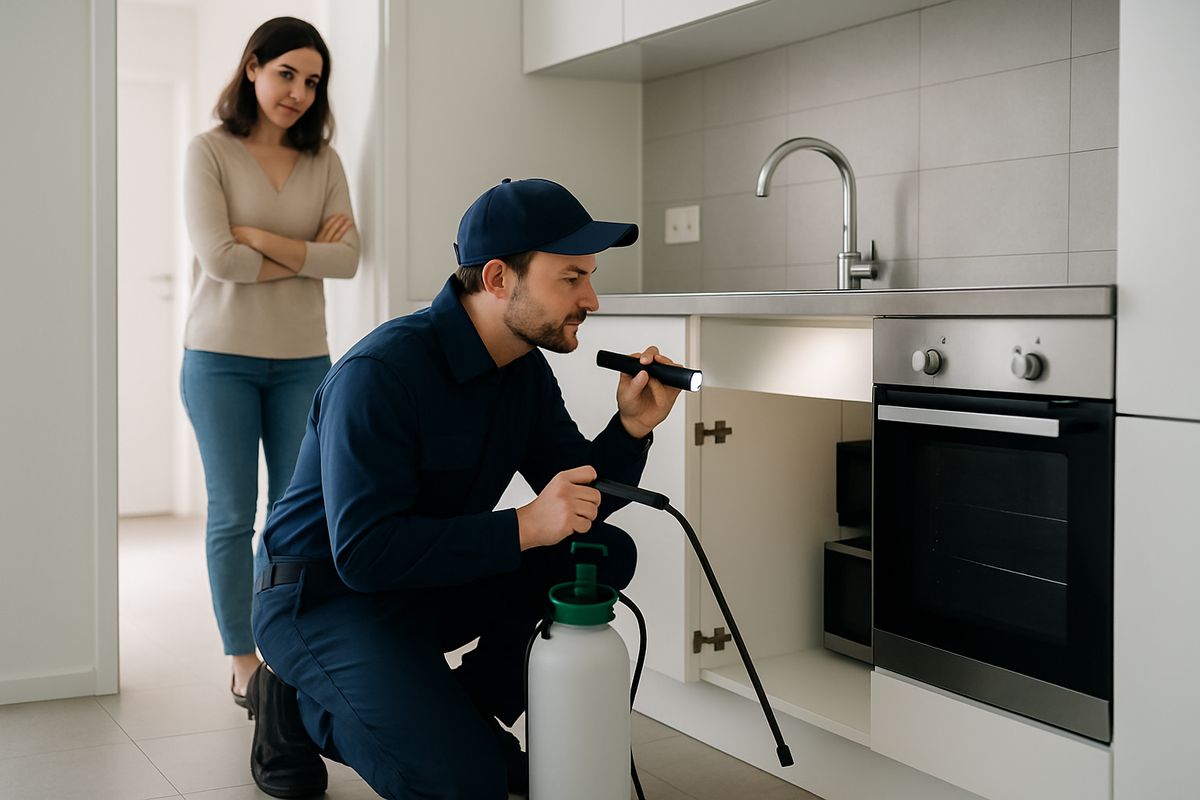
Signs It’s Time to Hire a Professional
A lot of people try DIY first. Honestly, that’s normal. Research found that 97% of Americans have tried at least one home remedy to deter pests, and 72% used store-bought pesticides. But there’s a point where buying another spray or trap just delays the real fix.
If any of the signs below sound familiar, you’re past the “wait and see” stage.
You’re seeing roaches during the day
Roaches are mostly nocturnal. Small populations usually stay hidden and come out when your home is quiet and dark.
So if you’re seeing them in the daytime, especially in the kitchen or bathroom, that often means competition for hiding spots is increasing and the infestation is larger than it looks. Daytime activity is one of the clearest signs that the population is established, not incidental.
This matters even more with German roaches, which reproduce fast and tend to stay close to food and moisture. If you need help spotting the species most often tied to indoor infestations, it helps to review how to identify the small tan roaches common in Chicago kitchens.
The problem keeps coming back after sprays, traps, or bait
This is probably the most common reason people call a pro. The roaches seem gone for a week or two, then they’re back under the sink, behind the coffee maker, or running across the bathroom floor at night.
That usually points to one of three things: the nest was never reached, the products were placed poorly, or the infestation extends beyond your unit. It can also mean the products you’re using are working against each other. Broad repellent sprays, for example, can interfere with bait acceptance and push roaches deeper into walls.
There’s also a bigger issue here. Pyrethroid-based sprays may require 50% longer exposure to achieve full mortality, which helps explain why old-school spray-heavy approaches can disappoint. If you’re stuck in that cycle, this breakdown of why the infestation keeps returning after home treatment can help connect the dots.
Roaches are showing up in more than one room
One sighting near a leaky kitchen sink is one thing. Roaches in the kitchen, bathroom, laundry area, bedroom, and storage closet are something else.
Multiple-room activity usually means the infestation has spread through travel routes like plumbing penetrations, wall voids, baseboard gaps, appliance cavities, or shared utility lines. At that point, spot treatment rarely solves it because the insects are no longer centered in one easy-to-reach area.
The wider the spread, the more valuable a structured inspection becomes. You want someone tracing movement patterns, not guessing.
You live in an apartment, condo, or multi-unit building
Shared-wall housing changes the whole equation. Even a very disciplined tenant can’t seal every gap around old plumbing lines or control what happens in neighboring units, trash rooms, laundry rooms, or utility spaces.
That’s why renters, condo owners, landlords, and property managers usually need coordinated action. A single-unit treatment can help, but lasting control often depends on adjacent-unit inspection, building communication, and follow-up. If that’s your situation, it’s worth reading more about handling infestations in buildings where pests move unit to unit.
Anyone in the home has allergies, asthma, or health concerns
Roaches are not just gross. They’re a health issue.
They can carry more than 30 kinds of bacteria, including Salmonella and E. coli, and their shed skins, droppings, and body parts can trigger allergy and asthma symptoms. In health-sensitive homes, the timeline to act should be shorter. Research has found that cockroach allergens contribute to 25% of asthma cases in inner-city children.
If you have kids, older adults, or anyone with respiratory issues at home, recurring roach activity deserves a professional response, not endless experimenting.
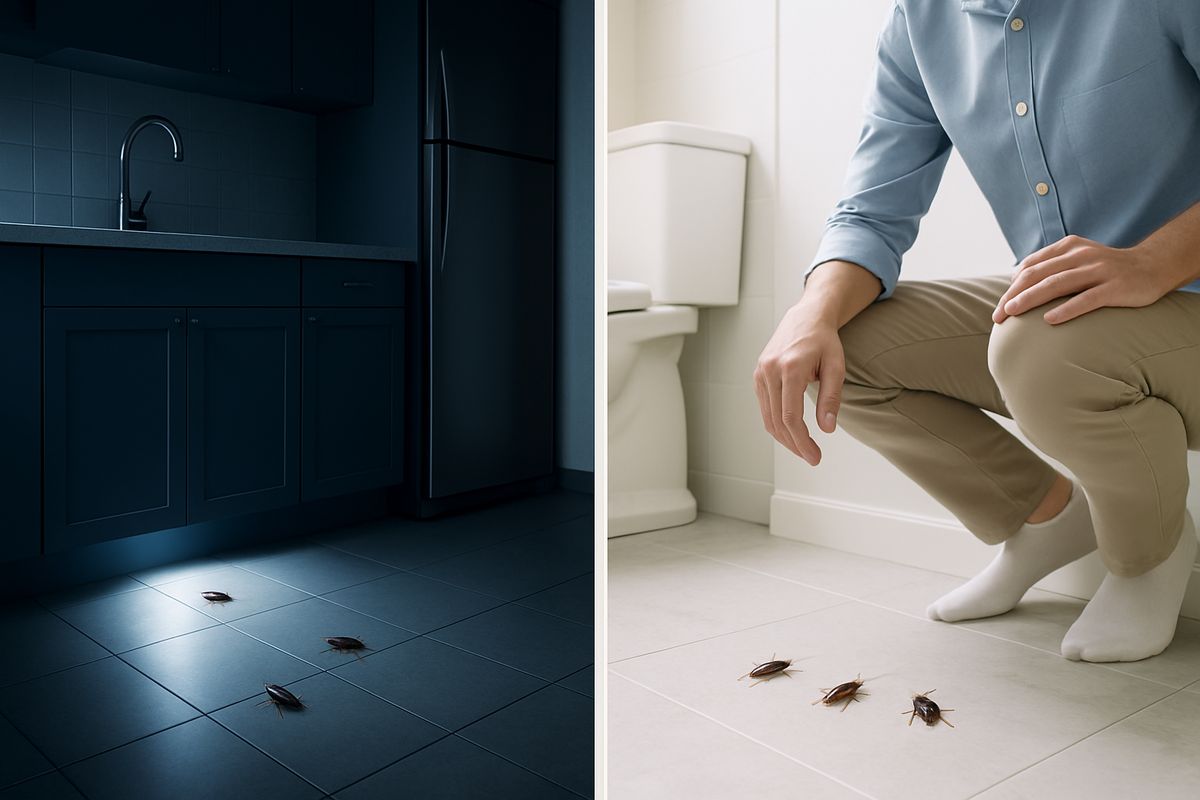
DIY vs. Professional Roach Extermination
DIY isn’t pointless. It’s just limited.
Many infestations start small, and if you catch the issue early enough, some careful home treatment can slow it down or even stop it. But once roaches are established, professionals tend to win on accuracy, coverage, and staying power.
When DIY might be enough
DIY may be enough if you’ve had only one or two sightings, there are no signs of breeding, and you act fast. That means cleaning aggressively, removing food and water sources, using monitors to confirm activity, and placing gel bait correctly in cracks and hidden travel paths.
This works best in a single-family home or a well-maintained condo where the issue is new and contained. It also helps if you’re certain about the species, because treatment differs a lot between German roaches in kitchens and brown-banded roaches hiding in drier areas.
Where DIY usually falls short
Most DIY failures come down to bad assumptions. People buy the wrong product, apply too much spray, put bait where roaches don’t travel, or ignore the moisture and grease that keep feeding the infestation.
Then there’s the hidden-harborage problem. Roaches don’t just sit out in the open waiting for treatment. They tuck themselves into motor housings, cabinet joints, wall gaps, refrigerator insulation spaces, and clutter. Brown-banded cockroaches have been showing up more often in ceiling voids and electronics, which is exactly the kind of hiding pattern most DIY efforts miss.
A lot of homeowners also rely on advice from random videos and forums. Not surprisingly, 55% of Americans later realized something they believed about pest control was wrong.
Why professional treatment tends to last longer
Professional treatment usually lasts longer because it starts with better identification and better placement. That sounds simple, but it matters. 54% of U.S. adults say professional pest control is the most effective option, while only 8% say DIY works best. Among people who prefer pros, 77% cite better material application and 73% say the results last longer.
Professionals also have access to commercial-grade products, insect growth regulators, dusts for wall voids, and structured follow-up plans. That combination matters more than any single product. It’s one reason gel baits led the cockroach control market in 2025 with a 31.4% share, especially in kitchens and food-sensitive spaces where targeted placement beats blanket spraying.
You can see how that plays out in a real service model through Midwest Pest Solutions’ professional roach treatment approach, which emphasizes inspection and follow-up instead of treating every job as a one-visit spray call.
How Professional Roach Treatment Works
A good roach service should feel organized, not mysterious. You’re paying for a process, not just a product.
Inspection and species identification
The first visit should focus heavily on inspection. Where are the sightings? What time of day? Which rooms? Are there droppings, egg cases, smear marks, or shed skins? Is there moisture under sinks or behind appliances?
Species identification matters because hiding habits vary. German roaches usually stay close to kitchens and bathrooms. American roaches are more common around basements, drains, crawl spaces, and sewer-linked areas. Brown-banded roaches prefer warmer, drier spots and may show up higher on walls, in closets, or around electronics. If you want a quick primer, this guide to telling the main Chicago roach species apart is useful before an inspection.
Customized treatment plan
Once the inspector knows what they’re dealing with, treatment should be built around the infestation, not pulled off a generic checklist. That often includes gel baits in cracks and harborage zones, insect growth regulators to interrupt reproduction, targeted dusts in wall voids or pipe penetrations, crack-and-crevice applications, and monitors to measure activity.
The best companies don’t overdo sprays because that can scatter roaches and reduce bait performance. More often, they use combination protocols. In fact, many pest professionals now mix baits, insect growth regulators, and residual products because the combo works faster and lasts longer than sprays alone.
Follow-up visits and monitoring
Roach control is rarely one-and-done, especially with German roaches or in multi-unit properties. Follow-up lets the technician see whether activity is dropping, refresh bait where needed, and catch missed harborages before the infestation rebounds.
Monitoring is getting smarter, too. About 23% of commercial pest control contracts in North America already included digital monitoring in 2025, and that number is expected to grow. Most homes won’t need anything high-tech, but the idea is the same: measure activity, don’t guess.
What you may need to do before and after treatment
You’ll usually be asked to prep a bit before service, and yes, it matters. Common prep includes cleaning grease and crumbs, reducing clutter, storing food in sealed containers, emptying certain cabinets if requested, and making sure sinks and counters are dry.
After treatment, the company may ask you not to mop certain areas right away, to keep monitoring stations in place, and to stick to sanitation steps that support the baiting program. If you want a practical overview, this article on what to do once the service visit is done can help you avoid undoing the treatment by accident.
And if pets are part of the household, you should also ask detailed safety questions. A provider should be able to explain product placement, drying times, and where pets should stay during service. Midwest Pest Solutions covers that kind of planning as part of its roach control service information.
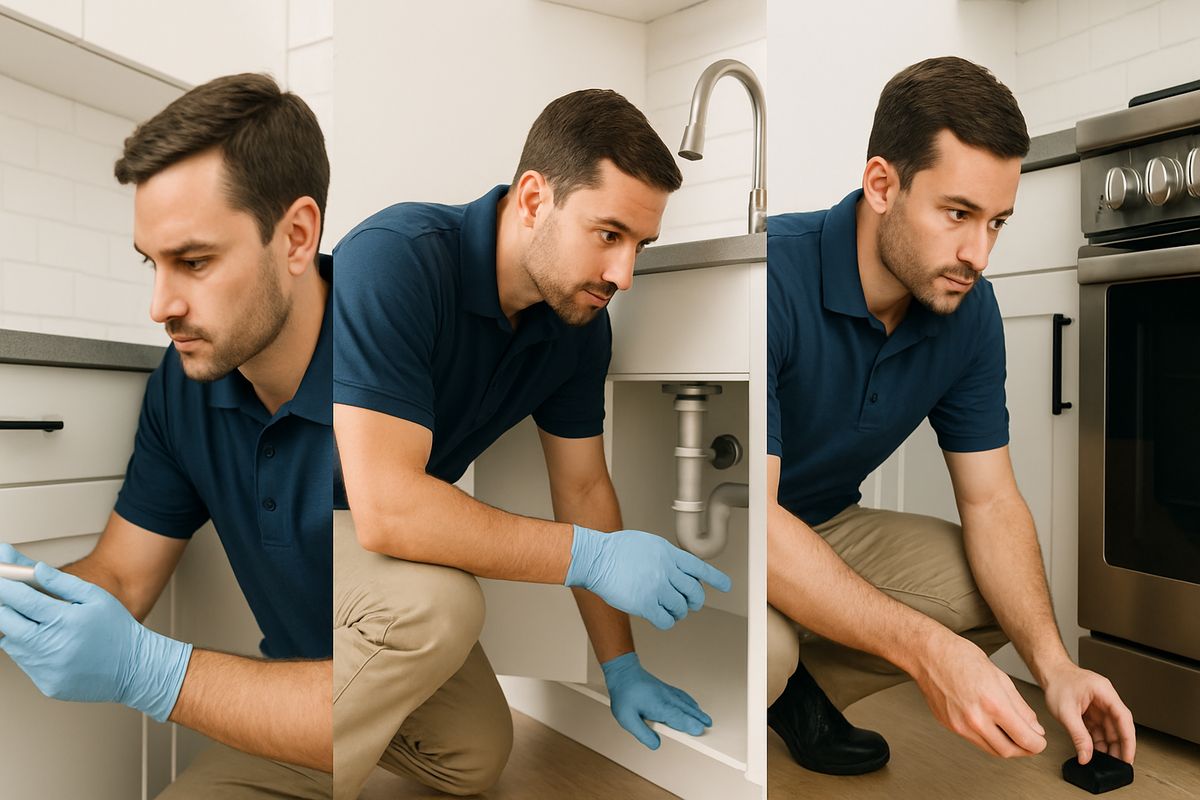
How Much Professional Roach Extermination Costs
Roach treatment pricing is all over the map because the job itself can be simple or messy fast. A single-family home with a light kitchen issue is not the same as a six-unit building with active spread between apartments.
Main factors that affect price
The biggest cost drivers are property size, infestation severity, number of visits, species, and building type. A larger home takes more labor and materials. A heavy German roach infestation usually needs more follow-up than a minor issue with large occasional invaders in a basement.
Unit-to-unit spread also raises the price because the scope expands. If the problem is really a building issue, treating one apartment only may save money upfront but fail quickly.
Published pricing varies, but the pattern is useful. A single professional cockroach treatment usually runs about $150 to $350 and often includes inspection, diagnosis, treatment, and a follow-up check. Severe infestations cost more, sometimes a lot more.
One-time treatment vs. recurring service plans
A one-time treatment may be enough for a limited issue in a detached home where the source is clear and activity is light. But recurring service often makes more sense in apartment buildings, restaurants, mixed-use properties, and homes with repeated flare-ups.
That’s partly a budget question and partly a strategy question. Quarterly cockroach service plans at $50 to $100 per visit are often cheaper over a year than repeated one-time treatments, especially if they include touch-ups or monitoring.
For property managers, recurring service is often the smarter buy because it turns pest control into prevention instead of crisis response.
When the cheapest option can cost more later
The cheapest service is often cheap for a reason. Spray-only visits can miss the nest, skip follow-up, and leave you with the same issue two weeks later.
That gets expensive in indirect ways too. Tenant complaints pile up. Units become harder to lease. Food contamination risk rises. Staff spends time fielding calls and documenting sightings. In businesses, one sighting can snowball into a reputation problem.
In other words, value is not the same as the lowest invoice. The better question is whether the plan is likely to solve the source.
Choosing the Right Roach Exterminator in Chicago and the Suburbs
Picking a provider is less about flashy promises and more about method, communication, and local experience. You want someone who understands how roaches behave in Chicago-area housing stock, not just someone who offers “general pest control.”
Questions to ask before you hire
Ask direct questions. Are they licensed and insured in Illinois? Do they treat German roaches regularly? How do they handle apartment buildings and shared walls? Will they inspect first? What products do they typically use? How many follow-up visits are included? What prep is required? What should you do about pets? Is there a service guarantee, and what does it actually cover?
A good company should answer these clearly, without dodging or overselling. If you want a more detailed shortlist, this guide to smart questions to ask before hiring a local exterminator is a solid place to start.
Look for IPM, not just heavy spraying
Here’s the thing: heavy spraying sounds aggressive, but aggressive is not always better. A provider who talks only about chemicals and not inspection, sealing, sanitation, and monitoring is usually behind the curve.
That matters because IPM adoption reduced pesticide use by 30% to 50% in U.S. schools, showing how effective a prevention-led model can be. In homes and apartments, IPM usually means fewer wasted treatments and better long-term control.
Look for companies that talk about entry points, moisture, food sources, clutter, and follow-up data, not just “killing everything.”
What renters, homeowners, and property managers should confirm
Renters should confirm who is responsible for treatment under the lease, whether the landlord will coordinate adjacent-unit service, and what documentation to keep. It’s smart to photograph sightings, save emails, and ask for prep instructions in writing.
Homeowners should confirm what’s included in the inspection, whether the technician is looking at drains, basements, crawl spaces, garages, and attached utility areas, and what prevention steps matter after the infestation is reduced.
Property managers should confirm reporting, unit access coordination, common-area monitoring, and how missed tenant prep will be handled. In larger properties, documentation is not a nice extra. It’s part of the job.

Common Mistakes People Make Before Hiring Help
Most roach problems get worse before the call because people try to save money, avoid embarrassment, or hope the issue will fade on its own. It usually doesn’t.
Waiting too long to call
A small infestation can become a big one quickly, especially with German roaches. They breed fast, stay hidden, and concentrate in the exact rooms people use every day.
The longer you wait, the more likely the infestation spreads into cabinets, appliances, walls, and neighboring units. Urbanization and housing density are driving recurring cockroach problems, with 62% of households experiencing repeat issues. That’s a good reminder that delay tends to help the roaches, not you.
Relying on foggers or too many over-the-counter sprays
Bug bombs feel dramatic, which is probably why people keep buying them. But for roaches, they often miss the hidden zones where the real population lives.
Worse, broad spray use can push roaches deeper into walls and make baits less attractive. The same goes for gadget-based fixes. Ultrasonic repellents show only 20% to 30% efficacy against common household pests in meta-studies, so they’re not the rescue plan many people hope for.
Ignoring sanitation and moisture problems
Professional treatment works better when the environment stops feeding the infestation. That means crumbs, grease film, leaky supply lines, cardboard clutter, pet food left out overnight, and overflowing trash all need attention.
People sometimes hear this as blame. It’s not. Even clean homes get roaches, especially in shared buildings. But sanitation and moisture control still matter because they determine how easy it is for roaches to recover after treatment.
Best Professional Roach Extermination Options by Situation
Not every infestation needs the same kind of service. The right choice depends on where you live, how the problem is spreading, and who’s affected.
For homeowners with a recurring kitchen infestation
If the kitchen is the main hotspot and the issue keeps coming back, look for an inspection-led service with baiting, crack-and-crevice treatment, and follow-up monitoring. Kitchens stay vulnerable because food, warmth, and moisture are all close together. That lines up with survey data showing 60% of Americans see the kitchen as the most vulnerable room for pests.
For this situation, avoid providers who only offer a fast spray. You want someone tracing activity behind the stove, refrigerator, dishwasher, sink cabinet, and wall gaps.
For renters in apartments or condos
Start by notifying the landlord or property manager in writing and documenting what you’re seeing. Ask whether adjacent units will be checked and whether common areas, trash rooms, or utility spaces are part of the plan.
Choose providers with real multi-unit experience. Roach issues in apartments are rarely isolated, and coordination matters almost as much as the treatment itself. A company that already handles dense housing in Chicago-area neighborhoods will usually be better prepared.
For landlords and property managers
The best path is building-wide coordination, not repeated reactive calls from one unit at a time. That means scheduled inspections, tenant prep compliance, common-area monitoring, clear reporting, and recurring service when needed.
This is where documentation and trend tracking really help. In food and facility settings, experts recommend using pest data to identify hotspots rather than relying on scattered observations alone. The same logic works in apartment properties too. If you can see where activity clusters, you can treat smarter.
For restaurants, food businesses, and other sensitive commercial spaces
Commercial spaces need fast response and almost zero tolerance for sightings. Roaches in a restaurant, school kitchen, hotel, hospital, or food business are not just a nuisance. They’re a food-safety and reputation issue.
That’s one reason commercial facilities accounted for 37.1% of roach-control market revenue in 2025. These spaces need providers who understand sanitation coordination, discreet monitoring, regulatory pressure, and after-hours or low-disruption service. As food safety experts put it, pest awareness has to be everyone’s job, not just the exterminator’s.
If that’s your situation, a provider with food-environment experience and strong communication is worth paying for.
Frequently Asked Questions
How do I know if I need professional roach extermination or if DIY is enough?
If you’ve only seen one or two roaches and there are no repeat sightings, DIY may be enough for now. If you’re seeing roaches during the day, in multiple rooms, or again after using sprays or bait, it’s time to hire a professional.
How long does professional roach treatment take to work?
You may see fewer roaches within days, but full control usually takes longer. Light infestations can improve quickly, while German roach infestations often need follow-up visits over several weeks to break the breeding cycle.
Is professional roach treatment safe for pets and kids?
It can be, when products are used correctly and placed in the right areas. Ask the provider exactly what will be used, where it will be placed, how long treated areas should stay undisturbed, and what precautions apply during and after service.
Do exterminators need to treat the whole building in an apartment complex?
Not always, but treating only one unit often fails when roaches are traveling through shared walls, plumbing lines, or common areas. In multi-unit buildings, coordinated treatment usually produces better and longer-lasting results.
What kind of roaches usually require the most aggressive treatment?
German roaches are usually the toughest indoor infestation because they breed fast, hide close to food and moisture, and spread easily through apartments and condos. They often require a multi-step treatment plan with follow-up monitoring.
What should I do before the exterminator arrives?
Follow the prep sheet from the company. In most cases, that means cleaning food residue, reducing clutter, storing food securely, emptying some cabinets if requested, and making sure the technician can access sinks, appliances, and problem areas.
Professional roach extermination is worth hiring when the problem is recurring, spreading, tied to shared walls, or affecting health and sanitation. The smart move is to choose a provider who inspects carefully, uses an IPM-based plan, and builds in follow-up. If you’re comparing local options, start with a company that treats roach control as a process, not a spray visit, like Midwest Pest Solutions’ roach control team.
References
- dataintelo.com
- gitnux.org
- pctonline.com
- businessresearchinsights.com
- mypmp.net
- cockroachcare.com