
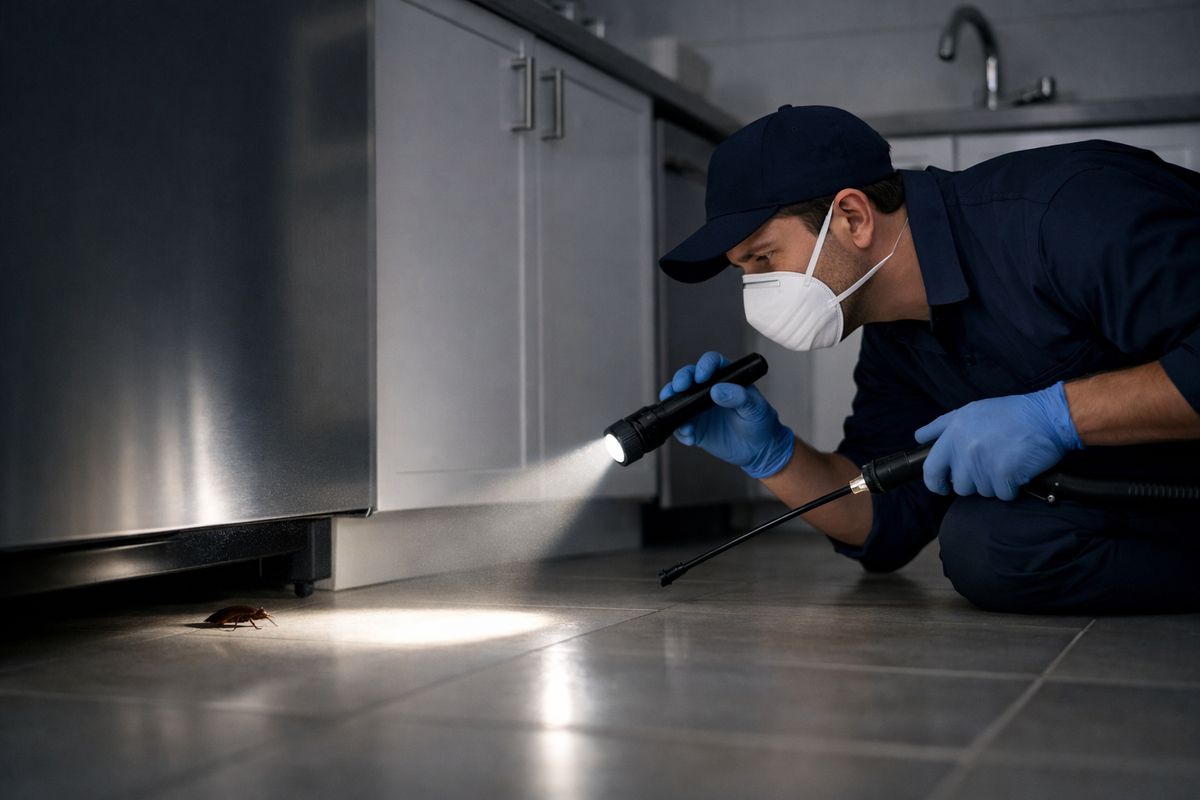
You flip on the kitchen light at 11 p.m., head to the sink for a glass of water, and catch one roach streaking under the stove. That moment is exactly why hiring a licensed exterminator matters. You are not just paying somebody to spray what you can see, you are paying to find the hidden infestation, treat it safely, and stop the cycle before it gets worse.
Why a Licensed Exterminator Is Worth It From the Start
Roaches are rarely a one-bug problem. If one is bold enough to run across your floor in a Chicago apartment or a split-level in Naperville, more are usually tucked behind appliances, inside wall voids, around plumbing lines, or near warm motor spaces.
That is why the cheapest fast-spray visit often ends up costing more. A licensed exterminator starts with the assumption that visible roaches are the tip of the iceberg. The goal is not to knock down activity for two days. The goal is to break the infestation, reduce risk inside your home or building, and keep the problem from bouncing right back.
For renters, that means fewer repeat sightings and better documentation when the issue involves neighboring units. For homeowners, it means not wasting money on trap after trap and spray after spray. For property managers, it means fewer complaints, fewer callbacks, and a cleaner paper trail when a recurring issue turns into a bigger management problem.
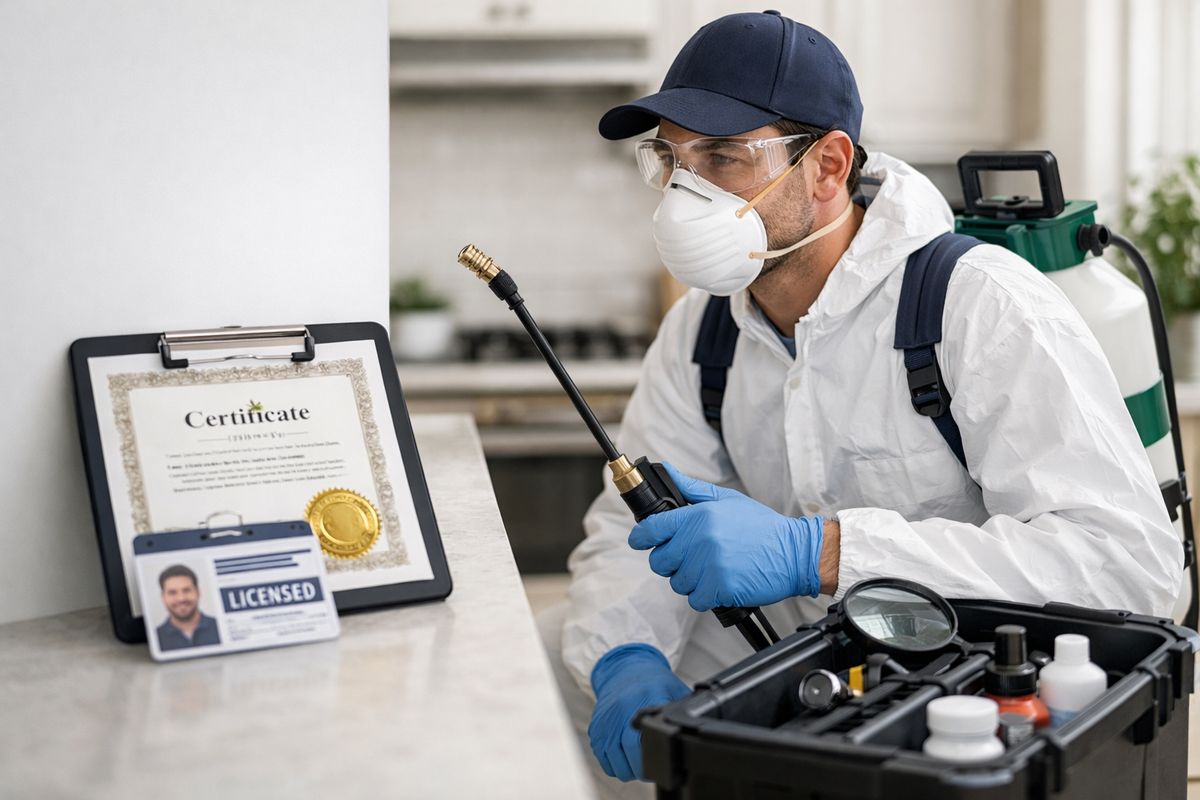
What “Licensed Exterminator” Actually Means
In plain English, a licensed exterminator is somebody who has been approved by a state to perform pest control work under that state’s rules. That usually means formal training, testing, and legal permission to apply pest control products in specific settings.
Licensing is tied to more than just killing bugs. It covers pesticide safety, label knowledge, pest identification, treatment methods, and the laws that govern how products can be used. In other words, a license means the person is supposed to know what product fits the pest, where that product can legally go, how much to use, and what not to do.
That matters because pest control is regulated for a reason. In states with formal exam systems, applicants may have to study statutes, safety rules, building terms, and pest-specific control methods, and in some cases pay substantial testing fees. Florida, for example, charges $300 per category for pest control certification exams. That does not guarantee every licensed company is great, but it does show there is a real barrier to entry.
Why licensing is more than a piece of paper
A license gives you something concrete to verify. Without it, you are left taking somebody’s word that the treatment is safe, appropriate, and legal.
Licensing also creates accountability. In many places, licensed professionals have to renew credentials, keep up with rule changes, and stay current on safe handling practices. Pest control keeps changing, partly because products change and partly because pests adapt. The industry is also getting more technical, with technician training certification becoming a bigger part of standardizing service quality.
Here’s the thing: accountability matters most when something goes wrong. If a product is misused in a kitchen, if a tenant complains about exposure, or if a treatment fails because the pest was misidentified, credentials and records suddenly become very relevant.
Why this matters more with roaches
Roaches are fast breeders, skilled hiders, and unusually good at surviving half-finished treatments. A bad roach job does not just fail quietly. It often drags the infestation out for months.
Roaches also bring real health concerns. Droppings, shed skins, and body fragments can aggravate allergies and asthma, especially in children and in enclosed apartments where the problem lingers. In dense housing, one messy treatment plan can even push activity from one unit into another.
That is why roach control needs more than surface spraying. If you want a better sense of what a full service should involve, what a professional visit usually includes goes far beyond spraying baseboards and leaving.
The Biggest Risks of Hiring Someone Unlicensed
An unlicensed operator often sounds appealing for one reason: price. Cash job, quick visit, no paperwork, problem solved. The catch is that roaches are one of the worst pests to handle that way.
The real risks are simple. Unsafe treatment, wrong diagnosis, wasted money, more complaints, and an infestation that keeps hanging on in the background.
Unsafe chemical use inside your home or building
Pest control products have label directions, which are the legal instructions on the product for where, how, and how much to apply. Those directions are not suggestions.
An unlicensed person may overapply product, use the wrong material indoors, treat food-handling areas carelessly, or spray places where bait would have worked better. That can create unnecessary exposure in kitchens, around kids and pets, and in shared apartment spaces. It can also contaminate surfaces without fixing the actual source of the roach activity.
This is one reason many homeowners and renters look closely at how treatment safety works around children and animals before booking service. A qualified company should be able to explain that clearly, without dodging.
Misidentifying the pest and missing the source
Not every roach problem behaves the same way. German cockroaches, for example, act very differently from larger occasional invaders that wander in from outside or drains. If the species is wrong, the treatment plan is often wrong too.
Misidentification leads to wasted effort. Somebody may spray visible areas while missing harborage, which is the nesting and hiding zone near warmth, moisture, and food. In apartments and condos, the source might be a neighboring unit, a shared utility chase, a trash room, or a leaking pipe behind the wall. Treating the countertop while ignoring the wall void is like mopping up water while the sink is still overflowing.
Short-term fixes that make the infestation harder to control
Random spraying can backfire. Roaches can develop resistance, which means certain products stop working well after being used the wrong way over and over. Industry research notes that pesticide resistance is one reason treatment is getting more complex and why experienced service matters.
You see this all the time in real life. A building gets repeated quick sprays. Roaches disappear for a week. Then they come back, spread wider, and seem harder to kill. That is not your imagination. Bad treatment pressure can make the job tougher.
What a Licensed Exterminator Does Differently
A licensed exterminator should treat roach control like a process, not a one-visit trick. That usually means inspection, targeted treatment, monitoring, and follow-up, plus practical advice on what in the space is feeding the problem.
That approach is not just nicer. It is more effective.
Starts with a real inspection
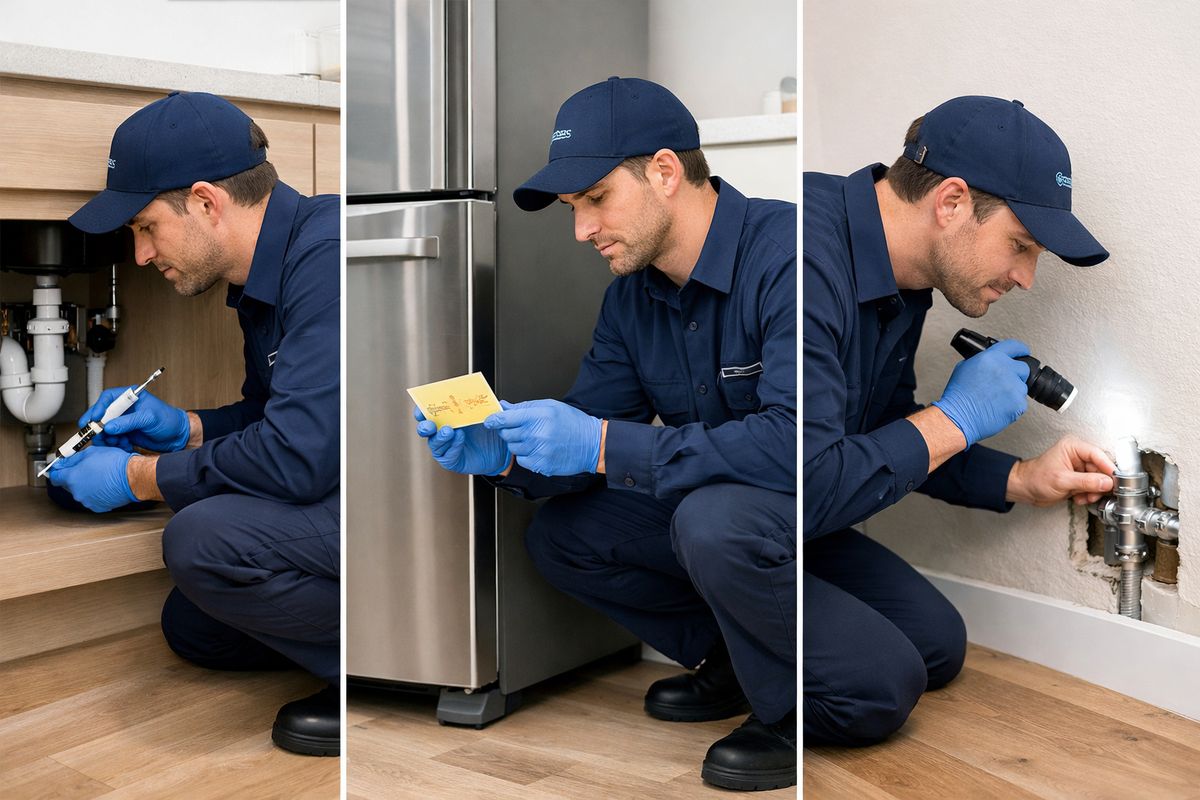
A real inspection checks the places roaches actually live and travel: under sinks, behind refrigerators and stoves, around dishwasher lines, inside cabinet hinges, near utility penetrations, in bathrooms, basements, laundry areas, trash storage spots, and shared walls.
In older Chicago buildings, that may also mean cracks around steam pipes, gaps near radiators, or unfinished penetrations where plumbing disappears into the wall. In suburban multi-unit properties in Schaumburg or Naperville, the issue may move through neighboring units, common walls, or attached garages.
The point of inspection is simple. Before treatment starts, somebody should know where the infestation is centered and how it is spreading.
Builds a treatment plan for your specific property
Roach control should not look identical in every home. A single-family house with a mild kitchen infestation needs a different plan than a six-unit building with recurring complaints and high tenant turnover.
A licensed exterminator should adjust the plan based on your property type, infestation level, sanitation conditions, moisture sources, children or pets in the home, and whether the issue is isolated or traveling through multiple units. If prep is needed before service, you should hear that up front, not after somebody has already shown up at your door. For a practical look at that part, getting your place ready before treatment can make a big difference in how well the first visit works.
Uses integrated pest management instead of just spraying everywhere
Integrated pest management, usually shortened to IPM, means solving the problem from several angles. Inspect first. Monitor activity. Treat only where treatment makes sense. Cut off food and water. Seal gaps. Recheck results.
This is becoming the standard because it is smarter than blanket spraying. Industry reporting shows integrated pest management is moving to the center of professional pest control, with targeted methods and monitoring replacing a lot of unnecessary chemical use.
For roaches, IPM often means gel baits, insect growth regulators, dust in hidden voids when appropriate, sticky monitors, sanitation fixes, leak correction, and exclusion work. In plain English, less guesswork and fewer pointless chemicals.
Includes follow-up and prevention
Roach infestations often take more than one visit, especially in apartments, older buildings, or severe cases. A licensed exterminator should explain what happens after the first service, when rechecks occur, how bait stations or monitors will be reviewed, and what you should do if activity continues.
Prevention is part of the job. If you are dealing with a recurring issue, why infestations return after treatment usually comes down to missed conditions, skipped follow-up, or untreated neighboring spaces. A good service plan expects that possibility and deals with it.
Why Licensing Matters for Chicago Homes, Apartments, and Rentals
Roach control gets harder in dense housing. Chicago and nearby suburbs have plenty of older buildings, shared walls, common trash areas, mixed-use blocks, basements, and restaurants tucked close to residential units. Add seasonal weather swings and indoor heat, and roaches get plenty of reasons to move inside and stay there.
That local setup makes licensing more important, not less. When pests move through connected spaces, a sloppy one-unit treatment can waste time for everybody.
In apartments and condos, the problem rarely stays in one unit
Roaches move along plumbing lines, inside wall voids, under doors, around electrical penetrations, and through common hallways. If your unit gets treated but the unit next door does not, control may only be temporary.
A licensed exterminator is more likely to spot that pattern, document where activity seems to be moving, and recommend inspection beyond one apartment. That matters a lot in condo buildings and rentals where building-wide coordination may be needed. If your issue is already tied to a shared building, what to do when the problem starts in an apartment can help you organize the next steps.
For property managers, documentation and compliance matter
Property managers do not just need dead roaches. You need records.
Service dates, treatment notes, product details, tenant prep instructions, follow-up schedules, and findings about sanitation or maintenance issues all matter when complaints stack up. That paperwork helps show what was done, what still needs to happen, and whether the issue involves one unit, multiple units, or a building condition.
It also helps when local inspections, lease disputes, or recurring service calls become part of the picture. In multi-unit housing, pest control is part maintenance issue, part communication issue, and part liability issue.
For single-family homes, prevention protects the money you spend
If you own your home, prevention is where the value shows up. Anybody can sell you a quick knockdown. The better question is whether the treatment keeps you from spending the same money again next month.
Professional pest control demand is not shrinking. The market is projected to grow by USD 12.72 billion from 2025 to 2030, and residential service is a major part of that. The reason is not hard to figure out. Homeowners keep learning that repeated DIY tries and low-cost spray-only visits often cost more in the long run than one well-planned service.
How to Check if an Exterminator Is Properly Licensed
This part does not need to be complicated. You do not need to know the whole regulatory system. You just need to verify a few basics before you book.
Ask for the license number before you book
Ask for the company license number and, if relevant in your area, the applicator or operator credential connected to the service. A legitimate company should give you that without acting weird about it.
If somebody gets vague, changes the subject, or says a license is not necessary for this kind of work, take that as a warning sign. You are hiring for pesticide application inside a living space, not lawn mowing.
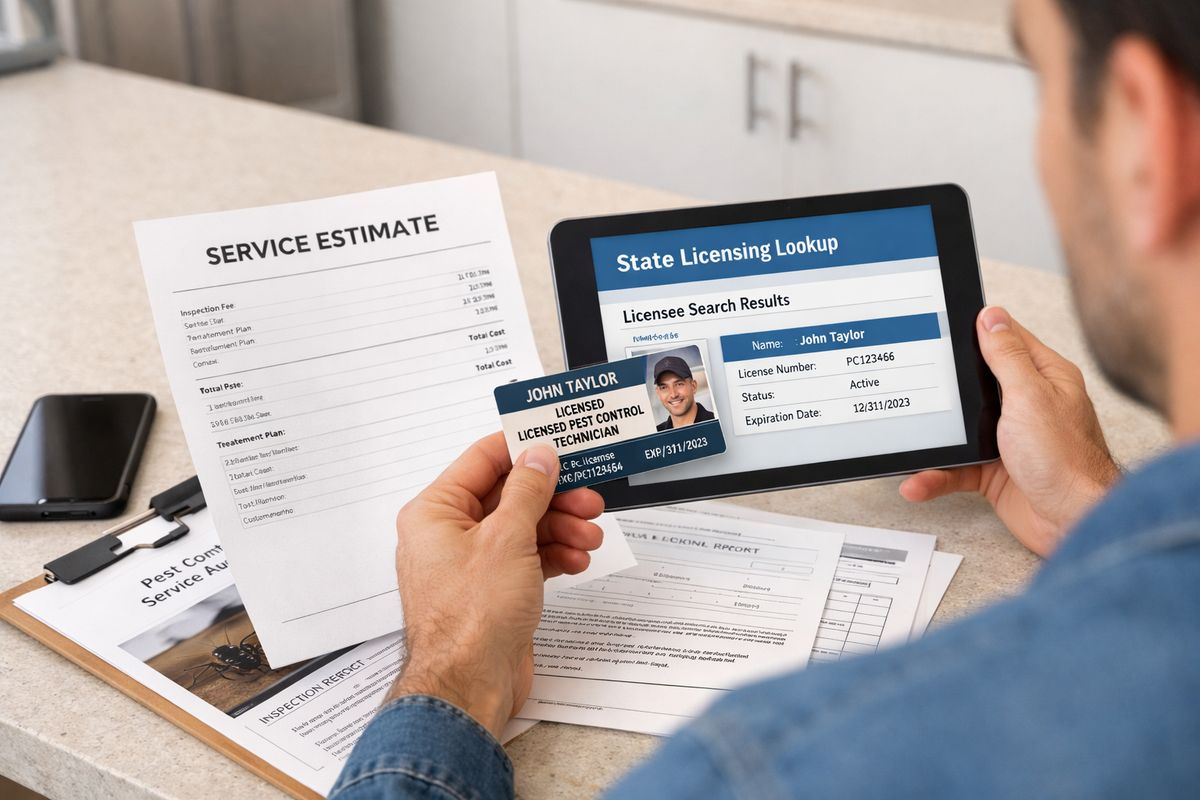
Verify the license through the state
Many states offer public lookup tools, and some regulatory boards can confirm license status directly if the online result is unclear. California’s public search, for example, lets consumers verify licenses through the relevant board, though cancelled licenses may not appear online, which is why contacting the agency directly can matter in edge cases.
The exact system depends on the state, but the principle is the same. Do not skip the check just because somebody sounds confident on the phone.
Ask what the treatment plan includes
Once the license checks out, move to the service itself. Ask whether inspection comes before treatment, what kinds of products are typically used, what prep is required, whether follow-up is included, and how sensitive areas are handled.
You should also ask what happens if roaches show up again in a week or two. A good answer will sound like a process. A bad answer will sound like a magic trick.
If you want a straightforward example of what a roach-focused service page should cover, this local roach control overview is useful for comparing inspection, treatment, and follow-up expectations.
Signs You’re Talking to the Right Exterminator
Once you speak with a few companies, patterns show up quickly. Some sound rushed and generic. Others sound like they have actually seen your kind of problem before.
The right fit usually gives clear, calm answers and does not lean on hype.
Clear answers about safety and next steps
A solid exterminator should be able to tell you where treatment usually goes, what you need to do before the visit, what to avoid afterward, and when you should expect to see changes.
That does not mean instant perfection. It means you get a clear picture of the process. If answers are vague or full of canned lines, keep looking.
A focus on fixing conditions, not just selling a spray
The best sign is when somebody talks about leaks, food storage, cracks, grease buildup, clutter, and harborage, not just chemicals. That is usually the difference between a real solution and the endless loop of “spray again next month.”
If somebody only talks about product strength, that is not impressive. Roach control is about conditions as much as chemistry.
Honest expectations about timing
A bad sales pitch promises overnight results. A good one tells you the truth.
Severe infestations often need multiple visits, especially in multi-unit buildings. Baits need time to work. Hidden activity may continue briefly before it drops. Adjacent units may need inspection. Honest timing is a trust signal, because it shows somebody is more interested in solving the problem than closing the call.
Common Mistakes to Avoid When Hiring for Roach Control
A few hiring mistakes come up again and again, and most of them are easy to avoid once you know what to watch for.
Choosing based on the lowest price alone
Low price feels good for about five minutes. Then the callback happens.
Cheap service often means a rushed inspection, generic treatment, no follow-up, or poor communication about prep and expectations. If the price is dramatically lower than everything else, ask what is missing.
Waiting too long after the first signs
Seeing one roach in the kitchen or bathroom is enough reason to act. Roaches are experts at staying out of sight, so by the time you notice one, the hidden population may already be established.
That is especially true in apartment buildings, where the source may not even be your own unit. Quick action usually means a smaller, simpler, cheaper job.
Not asking about follow-up in shared buildings
In a shared building, one treated unit is not always enough. Ask whether adjacent units, hallways, trash rooms, basements, or utility areas should be inspected too.
This matters for managers and renters alike. If the service only touches the complaint unit and ignores obvious migration paths, the problem may keep circulating.
What to Do This Week Before You Hire Anyone
Keep it simple. Pick three local companies. Ask each one for the license number. Verify what you can through the state. Then compare how each company talks about inspection, targeted treatment, and follow-up.
Pay close attention to who explains the process clearly, who talks about conditions that attract roaches, and who gives honest expectations instead of a miracle promise. Try that this week, and the right choice usually becomes obvious fast.
Frequently Asked Questions
Does a licensed exterminator guarantee roaches will be gone after one visit?
Not always. Mild infestations may improve quickly, but heavier roach problems often need follow-up. Honest companies say that up front and explain the timeline.
Is a licensed exterminator safer than somebody offering cheap cash pest control?
Usually, yes. Licensing is tied to training, product knowledge, and legal rules for pesticide use. That lowers the risk of careless indoor treatment and wasted applications.
Can you verify an exterminator license yourself?
Yes. In many states, public lookup tools or state agencies let you check license status. Ask for the license number before booking and confirm it instead of relying on a verbal claim.
Why do roaches come back after treatment?
Roaches usually come back because the source was missed, follow-up was skipped, neighboring units were not addressed, or food and moisture conditions stayed the same. A good treatment plan includes prevention, not just product.
Do renters need a licensed exterminator if the landlord handles pest control?
You still benefit from knowing whether the company is licensed. If the infestation keeps coming back, licensing, documentation, and a clear treatment plan matter even more in a rental setting.
What should you ask on the first phone call?
Ask for the license number, whether inspection happens before treatment, what prep is required, whether follow-up is included, and how the company handles pets, kids, and shared building issues.