
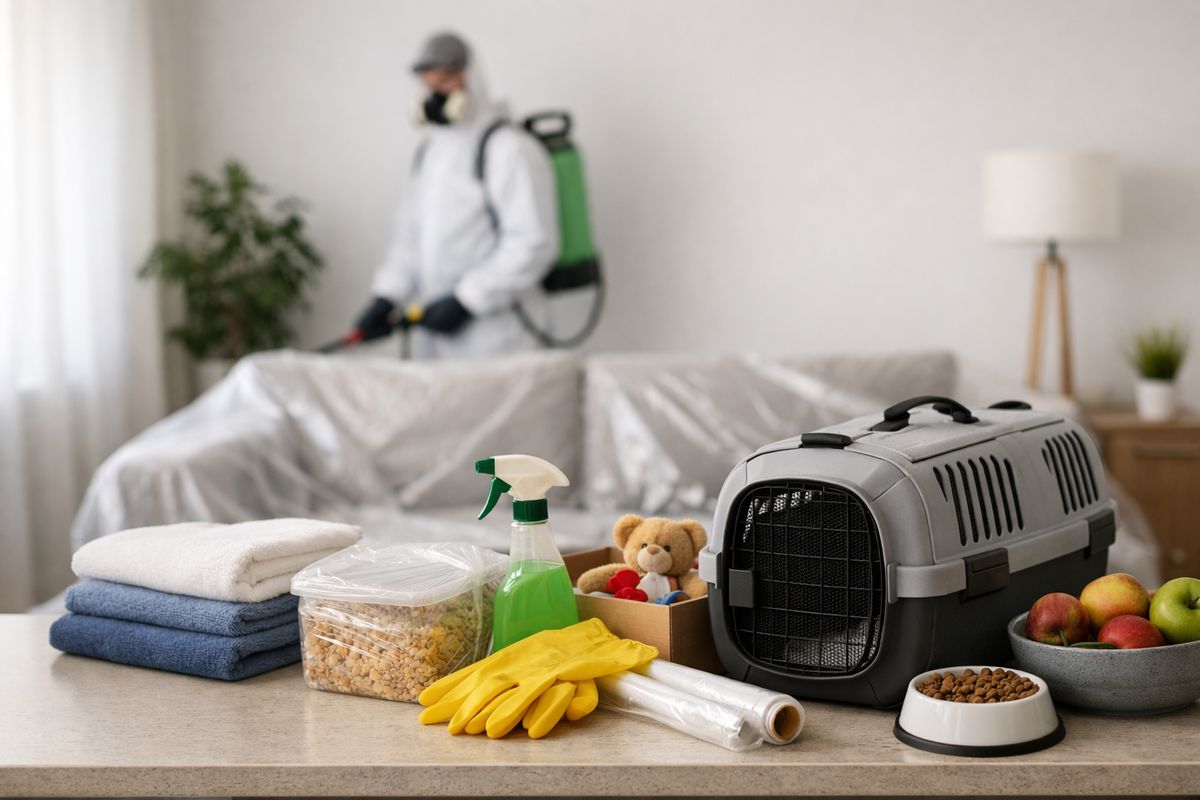
If you want to prepare for pest control the right way, think less about scrubbing every inch of your home and more about making the real problem spots easy to reach. A good setup before the exterminator arrives can make roach treatment work better, faster, and with a lot less chaos on appointment day.
What to have ready before pest control day
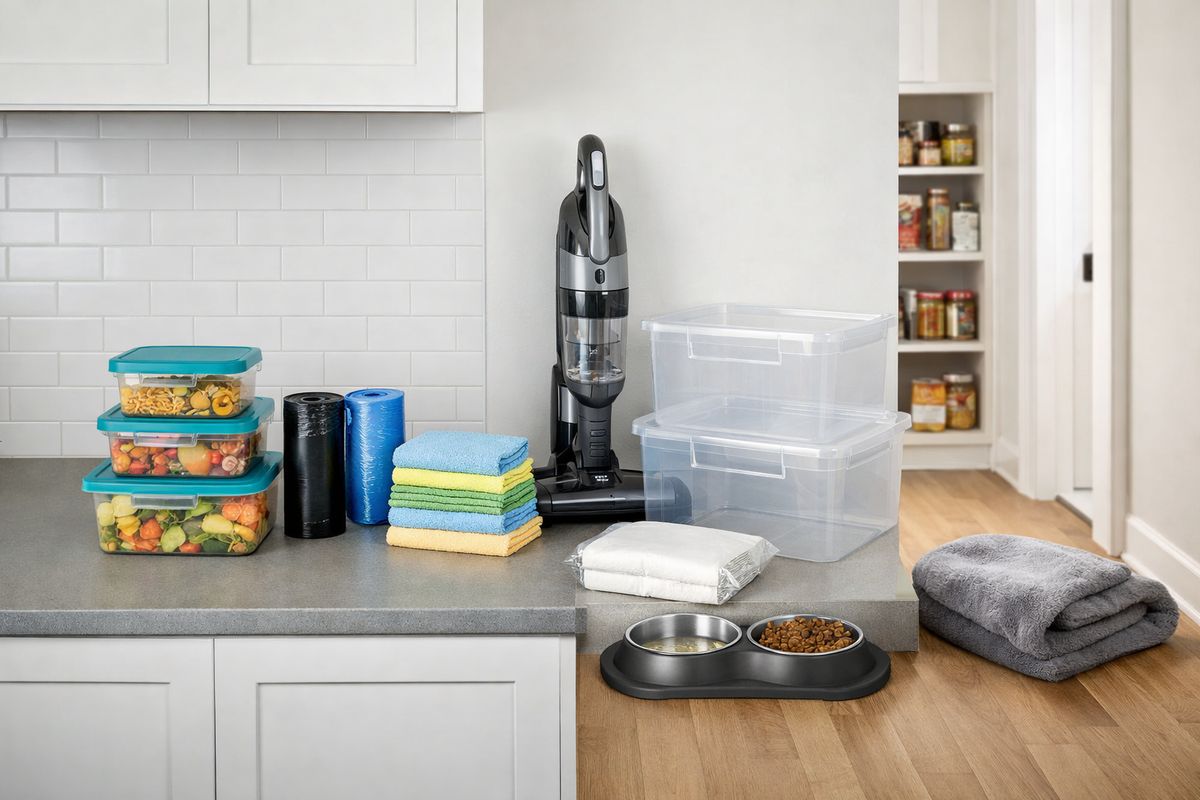
Get your supplies together before the night before. Trash bags, a few cleaning cloths, a vacuum, sealed food containers, and plastic storage bins will save you from that frantic 8 a.m. scramble, especially in a tight Chicago walk-up or a packed Naperville townhouse. Keep the company’s prep sheet on your phone or printed on the counter so you can check it as you go.
If you have pets, decide where bowls, bedding, litter, or cages will go during service. If your building has a gate code, alley entrance, service elevator, or buzzer issue, have that ready too. Small logistics delay visits all the time.
Step 1: Read the exterminator’s prep instructions all the way through
Start here because this one step clears up almost everything else. Roach jobs vary by infestation level, home layout, and treatment method, so the company’s instructions matter more than generic internet advice. That is especially true if you have already tried store sprays, traps, or professional roach control is being used after DIY methods stopped working.
Confirm the type of treatment being used
Ask what kind of treatment is planned. Bait is food that roaches carry back to nesting areas. Gel is a targeted product placed in cracks and corners. Dust is a fine powder used in wall gaps or hidden voids. Crack-and-crevice treatment means the product goes into tight hiding spots, not all over the room. Broad spraying is more general surface application.
Why does this matter? Because cabinet prep, cleaning rules, and re-entry time can change depending on the method. Some appointments need access more than empty rooms.
Ask about timing, access, and re-entry rules
Confirm arrival time, how long the visit may take, and whether you need to leave during treatment. Ask how long kids and pets should stay out of treated spaces. In apartments and condos, also confirm parking, entry instructions, and who opens common doors.
Step 2: Clear clutter so the exterminator can reach the real problem spots
Roaches love tight, hidden spaces. Clutter gives them cover and blocks treatment from reaching where it counts. Prep is not busywork. It is how you give the exterminator a clear shot at the nesting and travel zones.
Pull items away from walls and under sinks
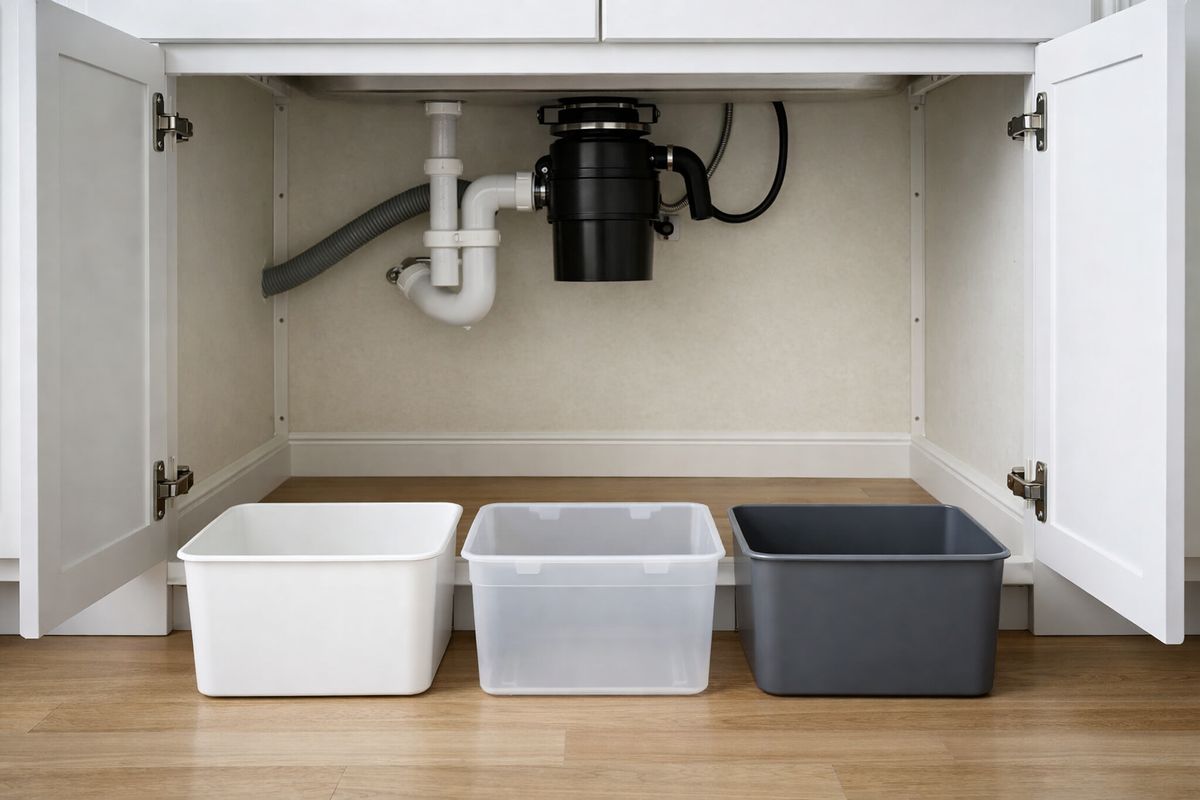
Move boxes, bags, and small furniture away from baseboards and plumbing walls. Focus on the kitchen, bathrooms, laundry area, and utility spots first. Under-sink cabinets matter a lot because roaches like warmth, moisture, and pipe gaps.
Empty crowded cabinets only if the company tells you to
Do not turn this into a full kitchen remodel unless the prep sheet says to. If cabinet access is required, start with the sink base, pantry trouble spots, and bathroom vanities. If you keep seeing activity and want a better sense of where roaches hide, it helps to review common indoor warning signs before treatment day.
Reduce cardboard, paper piles, and extra bags
Swap loose grocery bags, paper piles, and old moving boxes for plastic bins when you can. Cardboard gives roaches cover and can hold moisture. Even one messy stack beside the pantry can act like a little motel.
Step 3: Clean food, grease, and water sources before treatment
Roaches keep coming back for three reasons: food, grease, and moisture. Treatment works better when bait and targeted products are not competing with last night’s crumbs or a damp cabinet floor. In one recent survey, 60% named the kitchen as the most vulnerable room for pests, which feels about right.
Wipe down kitchen surfaces and sweep thoroughly
Wipe counters, backsplashes, stovetops, and the area under small appliances. Sweep the strip beside and under the fridge if you can reach it. A quick, detailed clean beats a dramatic deep-clean that burns half your day.
Put away exposed food, pet food, and dishes
Store fruit, bread, cereal, rice, and pet kibble in sealed containers or the fridge. Put dirty dishes away or wash them before the appointment. Rinse recycling that still has food residue.
Fix standing water and obvious moisture spots
Dry the sink base, dish mats, and any puddles around the fridge line. If a faucet drips or a pipe leaks, mention it during the visit even if you cannot fix it first. Roaches do not need much water.
Step 4: Make key rooms easy to treat
Think room by room, not house-wide perfection. Kitchens, bathrooms, laundry areas, and utility spaces usually matter most because that is where food, moisture, heat, and plumbing come together.
Prep the kitchen first
Pull out what you can safely move and clear access to the stove sides, fridge sides, sink cabinet, pantry edges, and cabinet corners. This is the main battlefield in most roach jobs, and food left out is one of the biggest attractants.
Don’t skip bathrooms and laundry areas
Open up vanity cabinets, clear around toilets, and make space near tubs, washers, and water heaters. Warm, damp pipe areas are classic roach routes.
Open up closets, utility spaces, and entry points if asked
In apartments and condos, roaches often move through shared walls and pipe openings. If your building has repeat issues, read more about dealing with shared-wall infestations. Those connected spaces matter even when you only notice roaches in one room.
Step 5: Plan for kids, pets, and your own schedule
A little planning keeps the visit smoother and safer. Pest control is a regulated trade in Illinois, with about 2,600 certified individuals, so follow the service instructions closely instead of guessing.
Move pets, bowls, litter, and bedding out of treatment areas
Relocate pet items before the technician arrives. Keep animals away from open doors and work areas. If you have a fish tank or small animal cage nearby, mention that in advance. For more on that, it helps to read about keeping treatment areas safe for pets and kids.
Decide whether you need to stay home
If this is the first visit, a heavy infestation, or a unit with building-access headaches, staying home helps. It also gives you a chance to point out the worst area, like roaches showing up around 10 p.m. near the dishwasher.
Tell the exterminator what you’ve noticed
Give a quick handoff: where you see roaches, when you see them, what products you already used, and whether neighboring units may be part of the problem. That map helps right away.
Step 6: Avoid last-minute mistakes right before treatment starts
A few same-day mistakes can quietly reduce results. This part is simple, but it matters.
Don’t use sprays or foggers before the appointment
Do not spray over-the-counter products right before service. This is one of the most common mistakes, and it absolutely makes the job harder by pushing roaches away from baited or treated zones. If you want the bigger picture, here’s why roach problems return after service when prep and follow-up get skipped.
Take out trash and recycling
Empty kitchen trash, bathroom bins, and food-soiled recycling. Clean bins mean fewer distractions and cleaner treatment areas.
Secure parking, building access, and entry instructions
Double-check gate codes, locked courtyards, condo buzzers, alley access, and parking rules. In Chicago-area buildings, a missed buzzer can throw off the whole appointment.
Common problems when you prepare for pest control
The trick is to focus on access, food, water, and communication first. If you cannot do everything, do those things.
What if you can’t move heavy furniture?
Move smaller items, clear floor space nearby, and point out blocked areas during the visit. Progress is enough. Nobody needs a full living room overhaul for a roach appointment.
What if the infestation is mostly in one room?
Start there, but do not stop there. Roaches travel through plumbing lines and wall gaps, so the treatment zone usually needs a wider circle than the one spot where you keep noticing them.
What if you rent or manage a multi-unit property?
Follow building rules, notify maintenance, and document sightings in common areas or neighboring units. If you manage repeated issues, this guide to multi-unit roach planning is worth reading.
What to expect after the exterminator leaves
You may still see roaches after treatment. That does not automatically mean it failed. Some products take time, and disturbed roaches often show up before activity drops.
Follow the post-treatment cleaning rules
Ask what to leave alone and what you can clean right away. Wiping treated cracks, corners, or bait placements too soon can undo the work.
Watch for activity and keep notes
Track where you still see roaches and what time of day. A note in your phone is enough. It makes follow-up visits much more useful.
Try one thing this week
Clear out the space under your kitchen sink and wipe it dry before the appointment. It is small, fast, and it opens up one of the most important roach zones in your home.
Frequently Asked Questions
Do you need to empty all kitchen cabinets before pest control?
No, not unless your prep sheet says to. Many roach treatments only need access to specific cabinets, especially under the sink and around problem areas.
Should you clean before or after the exterminator comes?
Do a focused clean before the visit, especially crumbs, grease, and standing water. After treatment, follow the company’s cleaning instructions so you do not remove products too soon.
How long should pets stay out after roach treatment?
That depends on the treatment used. Ask about re-entry timing before the appointment and follow that exact guidance.
Can you stay home during pest control?
Yes, in many cases. It often helps during a first visit or in apartments where access, parking, or shared-wall issues need explanation.
What is the biggest mistake before roach treatment?
Using store-bought sprays right before the appointment. It can interfere with baiting and make the exterminator’s job harder.