
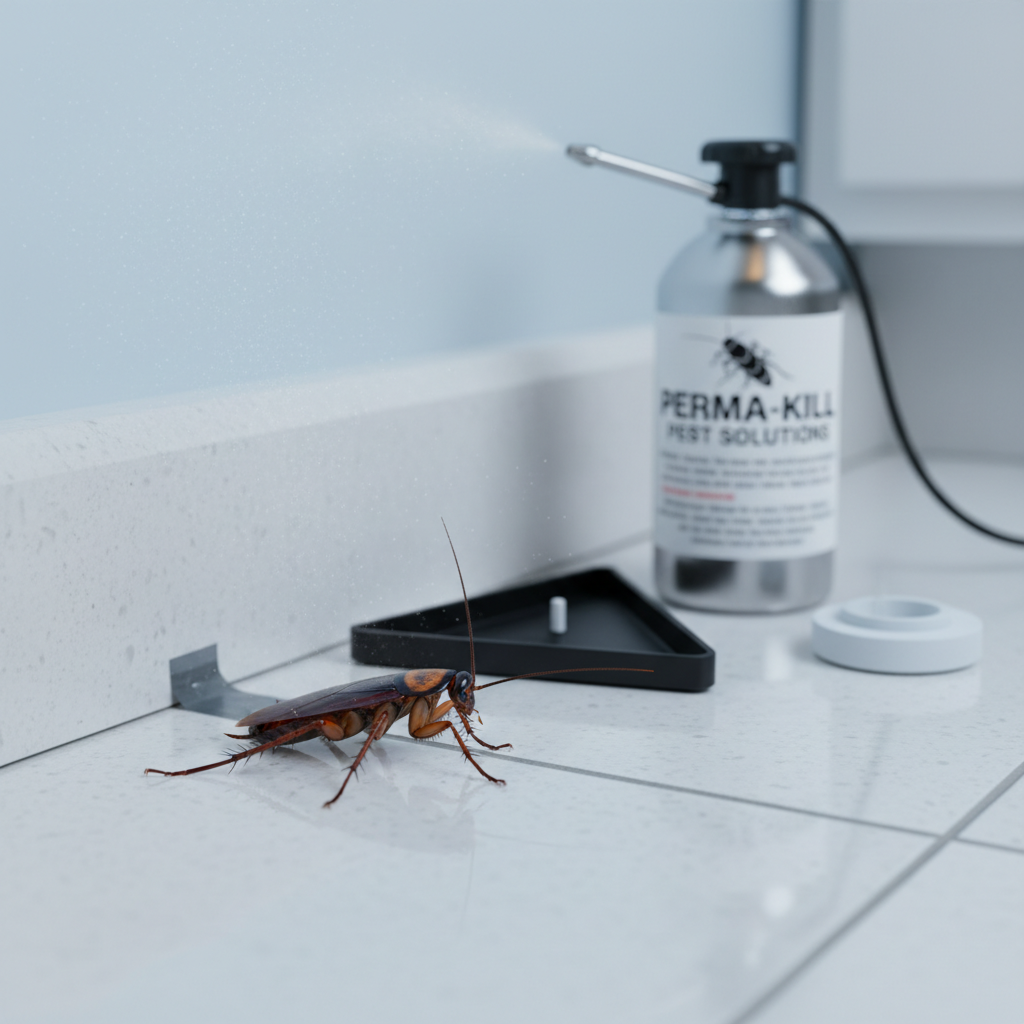
You may have spotted them darting across the kitchen floor late at night or scuttling behind the fridge when you reach for a snack. Cockroaches can force you into feeling uneasy about your living or work environment, and understandably so. These pests spread bacteria, aggravate allergies, and create an unhygienic atmosphere if they’re allowed to linger unchecked. Unlike some insects that fade away with a few sprays of repellent, roaches are notorious for returning again and again. That’s why you need permanent roach removal solutions that actually protect your property over the long haul.
In this article, you’ll learn how to keep roaches from taking over your space for good. From initial cleaning routines that eliminate their food sources to advanced pest control methods like baits and Insect Growth Regulators (IGRs), every strategy presented here is designed to help you attack a roach infestation systematically. Whether you own a small apartment, a bustling restaurant, or a suburban home, these steps will guide you toward lasting relief. You’ll also discover how consistent prevention beats short-term fixes and why roaches can be remarkably resilient if you ignore key control tactics.
Read on to learn how to safeguard your property, maintain a healthier environment, and finally break the cockroach cycle. If you want to explore additional context on eliminating these pests, be sure to check out how to get rid of roaches permanently for more insights. Let’s begin with the fundamentals of how roaches operate and why they keep coming back if you don’t tackle every angle.
Understand why roaches keep coming back
Roaches don’t just randomly appear: they’re attracted to specific conditions. If you’re noticing an ongoing roach presence, you might be unknowingly providing the resources they need—food scraps, moisture, and convenient hiding places. Roaches love to nest in dark, humid areas, like under sinks, behind appliances, or in cluttered storage closets. Once they find a stable habitat, they reproduce quickly, making it tough to handle the infestation if you only address surface-level problems.
In many ways, cockroaches are built for resilience. They can survive on minimal food, squeeze through tiny crevices, and even temporarily live without a head. That’s why people often ask: “Do roaches ever fully go away?” The answer is yes, but only when you combine effective strategies that remove their fundamental lifelines. If you only spray insecticide where you see them, you might eliminate a few, but their eggs or hidden colonies remain unscathed. You need a systematic plan that covers:
• Deep cleaning and maintenance
• Physical exclusion to block entry points
• Targeted baits and insect growth regulators
• Ongoing vigilance and preventive steps
By understanding these basics, you’ll be much better equipped to implement permanent roach removal solutions that really work. If you’re curious whether roaches can withstand surface-level changes, see can roaches survive cleaning for additional details on their resilience.
Key roach behavior facts
Roaches tend to congregate near water sources, making your kitchen and bathroom prime hangouts. They also prefer to hide during the day and forage at night, which means you may not realize the extent of your infestation until you flick on the lights and see them scatter. Perhaps most importantly, roaches are adept at moving between units in multi-family buildings through cracks, pipes, and shared walls. Even if you keep a spotless home, they can slip inside from a neighboring unit if you don’t seal those pathways.
Clean thoroughly and often
Because roaches thrive when food and moisture are available, scrupulous cleaning is the first major step toward permanent roach removal solutions. The goal here is to deprive them of crumbs, spills, and damp spots so they have nothing to eat or drink. If you can remove these essential resources, you automatically make your property less appealing for them to inhabit.
Start by concentrating on the most common problem areas: kitchens, bathrooms, and trash cans. Roaches will quickly zero in on any leftover food debris, so be sure to clean not just surfaces but also hidden corners behind appliances. Vacuum daily or at least several times a week if you suspect a high roach population. According to experts, including The Spruce, vacuuming makes a powerful dent in roach numbers by removing adult roaches, eggs, and droppings [1].
• Wipe up spills promptly: Even a slight leak or a few drops of juice can attract roaches.
• Clean beneath bigger appliances: This includes under the fridge, stove, and dishwasher.
• Keep trash in sealed containers: Roaches can sniff out accessible garbage.
• Eliminate standing water: Repair any pipe leaks under sinks or behind washing machines.
Beyond these basics, a monthly deep-clean routine will help you stay on top of hidden debris. Sanitize countertops, scrub cabinet interiors, wash garbage bins, and wipe down walls where grease or splatters may accumulate. These minor tasks might seem tedious, but they’re crucial in stripping roaches of essential nutrients.
Dryness matters for roach control
Because roaches are drawn to moisture, focusing on dryness is almost as critical as controlling food waste. Always fix leaking pipes or faucets immediately. Roaches can survive for extended periods with minimal food if water is readily available. By cutting off these damp hideouts, you’re directly undermining their survival chances. You can also consider running a dehumidifier in particularly humid areas, which helps make the environment less comfortable for roaches.
Seal and block entry points
Even if you eliminate every crumb, roaches can still find a way in if your property has open entry points. Areas around doors, windows, plumbing lines, and electrical wiring often have small gaps or cracks that roaches use like highways into your home. Sealing these gaps is a crucial part of permanent roach removal solutions, and it’s one of the most effective forms of physical exclusion.
Begin by inspecting your home or business, paying close attention to:
• Gaps around windows and doors
• Cracks in the foundation or walls
• Spaces where plumbing or cables enter
• The edges of your garage doors and basements
You can use caulk or weatherstripping to close small openings, while door sweeps help protect the bottom of door frames. According to pest control discussions on Reddit, sealing these access points significantly slows infestations and prevents roaches from migrating between neighboring units [2]. Always wear protective gear if you’re sealing areas where chemical residues might be present from any previous pesticide application.
Don’t forget drains
One frequently overlooked entry point is your plumbing, especially in older buildings. Larger American roaches often travel through sewer pipes and emerge from sink or tub drains. If you suspect roaches in your bathroom, keep drains blocked when not in use, and install fine mesh screens where possible. This helps stop roaches from crawling up through your pipes and into your living space.
When you perform these sealing tasks, consider it an ongoing routine. Buildings shift and settle over time, potentially creating new gaps. Make it a habit to inspect your property regularly, especially if you’ve recently dealt with a roach invasion or if you live in an area prone to frequent infestation. Once you handle entry points, you close off a major pathway roaches exploit to reestablish their populations.
Use targeted control methods
Even with vigilant cleanliness and proper sealing, existing roach populations need targeted methods to eradicate them. Sprays and foggers can kill some roaches on contact but often fail to reach eggs or hidden colonies. A more comprehensive approach relies on baits, sticky traps, and Insect Growth Regulators (IGRs), which disrupt the roach life cycle.
Baits: A hidden tool for major impact
According to numerous pest control guides, gel baits like Advion remain one of the most effective permanent roach removal solutions. Roaches consume the bait and bring the poison back to the nest, effectively wiping out other roaches you never see [2]. You can place these baits in corners, under appliances, and in cabinets—anywhere you see active roach signs.
For many roach species, slow-acting insecticides found in baits are ideal. It gives them time to share the toxicant with nestmates before it kills them, spreading throughout the colony. Always follow the label instructions carefully. Overapplying baits or placing them near strong cleaning chemicals can reduce their effectiveness.
Insect Growth Regulators (IGRs)
IGRs like Gentrol discs stop roaches from maturing into reproducing adults, effectively halting future generations. They work by mimicking hormones that regulate insect growth, so the immature roaches cannot complete their lifecycle [2]. Although it might take a few weeks to notice fewer roaches, these regulators are key in providing long-term control. They’re especially beneficial when used alongside baits: while baits kill off active adults, IGRs ensure any newly hatched nymphs don’t develop into reproducing adults.
Sticky traps for monitoring
Sticky traps aren’t usually a standalone solution, but they’re highly useful for monitoring roach activity. Placing sticky traps near known hot spots—under sinks, behind the fridge—helps you track whether roaches are still roaming after you’ve implemented baits and IGRs. As an added bonus, sticky traps can also capture smaller roach populations quite effectively [3]. Make it a habit to check these traps weekly and replace them whenever they become full or lose their adhesive. If your traps are regularly catching roaches in certain spots, that’s a signal to increase your bait or IGR coverage in that area.
Choose safe and effective products
When selecting the right pesticide or roach-control agent, you might wonder if you can find a product that’s both highly effective and tolerable for you and your family. The good news is that many current roach control products are designed to target roaches specifically, posing minimal risk to humans or pets when used correctly. Some are even organic or use low-toxicity ingredients such as diatomaceous earth.
Diatomaceous earth and boric acid
Diatomaceous earth (DE) is a natural solution commonly praised for its ability to dry out and kill roaches on contact. If you’re seeking a gentler approach, food-grade DE can be sprinkled around high-traffic roach zones under major appliances, along floorboards, or in cabinets. However, you’ll need to reapply it periodically, as moisture or vacuuming can diminish its effectiveness. According to The Spruce, diatomaceous earth can take up to two weeks to yield visible results, but it remains a top choice for those seeking non-chemical permanent roach removal solutions [1].
Boric acid is another tried-and-true roach killer, commonly sold as powders or in tablet form. When applied in thin layers near roach hideouts, it clings to their bodies, eventually poisoning them. Keep in mind that correct application is key: if you lay boric acid too thick, roaches will simply avoid it. Remember to keep children and pets away from boric acid-treated areas, even though it’s considered relatively low-risk.
Balancing speed and safety
While you want quick results, it pays to research each product’s toxicity, application method, and recommended usage. Baits and slow-acting chemicals might not give you the satisfaction of seeing roaches drop immediately, but they often produce better colony-wide elimination than contact insecticides. For more tips on controlling roaches day by day, check out effective roach control tips. Combine the right tools with a consistent treatment plan to maximize safety and efficiency.
Rethink foggers and sprays
Foggers, or total-release “bug bombs,” might sound convenient, but they are rarely a reliable approach to permanent roach removal solutions. While they do release a mist that can fill a room, foggers often fail to penetrate deep cracks and other hidden spots where roaches truly thrive. In some cases, the disturbance can push roaches further back into walls or neighboring units. The University of Kentucky Entomology department points out that foggers may even scatter roaches, worsening the situation if they flee to adjacent rooms or apartments [4].
Sprays are best used as one facet in a broader management plan. A residual spray around cracks or foundations can deter roaches from crossing those areas, especially if you still have minor entry points you haven’t sealed. However, overusing sprays might lead to roach avoidance behavior or pesticide resistance. If you do choose to spray, opt for non-repellent options so roaches can move through treated areas without realizing they are being poisoned.
Integrated Pest Management (IPM)
Your most powerful tactic is Integrated Pest Management (IPM)—combining sanitation, exclusion, baiting, and careful pesticide use. The idea is to systematically remove every advantage roaches have: no more easy meals, no more safe hideouts, no more unsealed entry points, and a lethal environment whenever they do show up. IPM strategies typically yield better long-term results than any single solution alone. Even better, IPM usually reduces the total volume of chemicals needed, which benefits both you and the environment.
Focus on ongoing prevention
One reason roaches tend to return is that many people stop treatments as soon as they see a reduced population. In reality, roach eggs can still hatch weeks later, or roaches from a neighbor’s property can slip in if you relax your guard. For truly permanent roach removal solutions, you should treat prevention as an ongoing process, requiring frequent re-evaluation of your environment.
Maintain a cleaning schedule
Make it a routine to wipe down surfaces, vacuum regularly, and dispose of trash every day or every other day. Check for damp spots consistently, especially under kitchen or bathroom sinks. By sticking to a schedule, you’ll reduce the chances that roaches can re-establish themselves in your area.
Store food and waste properly
Always store perishable items in sealed containers and never leave dirty dishes in the sink overnight. Smaller roaches, such as German cockroaches, can multiply rapidly if they have even small amounts of food or moisture. A clean kitchen is your frontline defense. If you’re curious how roaches survive in sparse conditions, you can read how long do roaches live without food for a deeper dive into their astonishing resilience.
Inspect after travel or deliveries
Roaches sometimes hitch a ride in grocery bags, used furniture, or storage boxes. After any major delivery or trip, inspect packages and items thoroughly, especially cardboard boxes with corrugations that can hide roach eggs. By catching hitchhikers early, you can prevent an isolated incident from turning into an infestation.
Consider professional help when needed
If you’ve tried everything from baits and IGRs to sealing gaps, yet roaches persist, consulting professional pest control might be your best next step. A trained exterminator can conduct a thorough inspection, identify species-specific traits, and apply professional-grade products that aren’t always available over the counter. The benefit of a professional approach lies in customized treatment plans and follow-ups that ensure roaches are gone for good.
Different pest control services may offer warranties or guarantees, so you can call them back if roaches reappear within a certain timeframe. Don’t forget to evaluate how they handle ongoing prevention. Some provide comprehensive programs that include home inspections, risk assessments, and advice for reinforcing your defenses.
If you’re in search of professional support, a specialized provider like Midwest Pest Solutions may be an option to explore. You can learn more about professional cockroach elimination methods at Midwest Pest Solutions. Just be sure to choose a reputable company that aligns with your preference, whether you’re looking for an eco-friendly approach or the fastest knockout solution possible.
Keep roaches out for good
Permanently removing roaches isn’t a mystery—it just requires layering multiple strategies so there’s no loophole that these determined pests can exploit. Here’s a condensed bullet-point overview to help you keep track of your progress:
- Deep clean all areas, especially kitchens and bathrooms
- Seal gaps around doors, windows, and plumbing lines
- Use cockroach baits and IGRs for colony-wide impact
- Employ sticky traps to gauge roach activity and adjust tactics
- Avoid overreliance on foggers, focusing instead on IPM methods
- Maintain a strict cleaning routine and proper food storage
- Inspect deliveries and secondhand items to prevent re-infestation
- Seek professional help if roaches remain stubborn
Try not to view these steps as a one-off project. Roaches are tenacious; they will quickly take advantage of any lapse in sanitation or maintenance. By integrating these measures into your ongoing housekeeping or property-management routine, you’ll drastically reduce the odds of another roach takeover. If you want additional expert-approved insights, refer to how to get rid of roaches permanently or effective roach control tips.
Final thoughts
Cockroaches have evolved to be survivors, which is why quick fixes rarely deliver permanent relief. To succeed, you need a holistic plan that tackles the root causes—food, water, shelter, and consistent entry points—while also knocking out existing populations with proven methods like baits and IGRs. Once you’ve set this plan in motion, ongoing vigilance will keep roaches at bay and give you the peace of mind you deserve.
Whether you’re safeguarding your home, a business, or a rental property, remember that permanent roach removal solutions rely on a combination of cleanliness, targeted treatment, and careful prevention. When everything is implemented correctly, roaches lose the resources they need to survive. From that point on, your property can remain roach-free, and you can focus on enjoying a comfortable, healthy environment.