
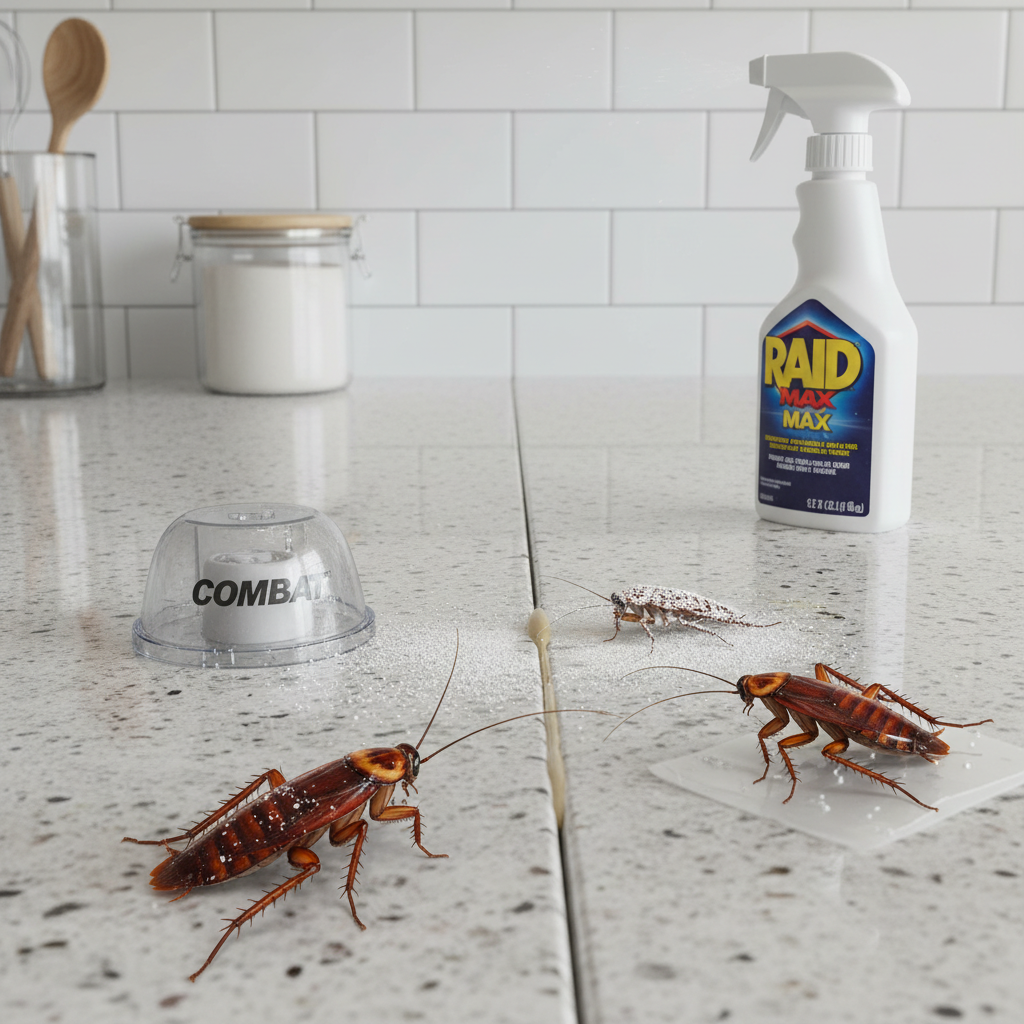
If you’ve spotted a cockroach scurrying across your floor—or worse, multiple roaches in hidden corners—you know how unsettling these pests can be. Learning how to get rid of roaches permanently is not just about comfort; it also protects you from the health risks and property damage roaches can cause. Fortunately, consistent cleaning, smart prevention, and targeted treatments can banish roaches for good. Below, you’ll find practical steps to eradicate these unwelcome visitors and keep them away.
Spot the early warning signs
Roaches often remain hidden during the day, so you might not immediately realize you have an infestation. Watch for a few red flags that signal cockroaches may be moving into your space:
- Droppings that resemble dark specks or small pellets.
- Slightly oily or musty odors in closets, basements, or dark kitchen corners.
- Egg casings (oval-shaped capsules) tucked in crevices under the sink or inside cabinets.
- Late-night sightings when roaches are most active.
Catching these clues early puts you on the fast track to eradicating the pests. A quick check in the bathroom, pantry, or areas where water tends to collect can give you a head start on successful roach control. If you find any signs, don’t delay—taking action quickly is key to preventing a full-blown infestation.
Eliminate food and moisture sources
When researching how to get rid of roaches permanently, you’ll see experts emphasize one critical step: deny cockroaches their favorite resources. According to pest specialists, roaches thrive on leftover crumbs, grease, pet food debris, and even small amounts of standing water.
Start with regular kitchen cleanups. Wipe countertops after every meal, wash dirty dishes immediately, and sweep or vacuum the floor to remove crumbs. Deep cleaning, especially in the kitchen and bathroom, is an effective first step because roaches need these areas for food and water. As noted by The Spruce in 2024, focusing on removing moisture and scum around drains or garbage disposals also helps break the infestation cycle.
Storing food properly is just as important. Seal cereal, flour, and sugar in airtight containers. Avoid leaving pet food out overnight. If your roaches are persistent even after you clean, you might wonder can roaches survive cleaning. Although thorough cleaning alone won’t always wipe them out, it greatly reduces their hiding spots and available snacks. It also boosts the effectiveness of baits and traps you’ll set up later.
Close off their entry points
Roaches don’t typically walk through your front door in broad daylight. Instead, they slip through cracks, crawl under weatherstripping, and travel between apartment units through tiny holes around utility lines. By sealing these gaps, you stop new roaches from taking up residence.
Caulk around windows, doors, and baseboards. Pay special attention to water line escutcheon plates under sinks or behind toilets, where plumbing pipes enter the walls. As highlighted in The Spruce’s 2024 guidance, closing these passageways is especially important in warm, humid climates. You may need to check for gaps in your garage door seal, too, since many roaches enter at ground level.
In multi-family buildings, roaches can migrate from one unit to another. If that’s your situation, talk with your neighbors and management. Purdue Extension notes that permanent roach control often requires cooperation among all residents in a building. Sealing your own space helps, but a shared effort can prevent roaches from sneaking back through the walls.
Target them with proven home remedies
Once you’ve cleaned up and minimized entry routes, the next step is to attack roaches directly. Home remedies can be surprisingly effective when used correctly. Consider these popular options:
• Boric acid powder.
Boric acid is an old standby in the fight against cockroaches, and for good reason. Dust a thin layer in corners or along floorboards where you see roach activity. When roaches walk through it, the powder clings to their bodies and eventually kills them. Just remember that boric acid loses effectiveness if it gets wet, and it can be toxic to children and pets in concentrated amounts. [1]
• Baking soda and sugar.
Combining baking soda with sugar lures roaches in and delivers a fatal punch to their digestive systems. [1] After mixing the two, sprinkle the blend in corners, behind appliances, or any other roach-prone zone. This method works best if you keep the area tidy so roaches have fewer food choices besides your bait.
• Diatomaceous earth (DE).
This natural insecticide comes in powder form, and it damages a roach’s exoskeleton, causing dehydration and death. [1] Lightly dust DE in cockroach hotspots like under sinks or behind furniture. Keep track of moisture levels—excess humidity can reduce DE’s effectiveness.
With any DIY remedy, patience is crucial. You may need to reapply powders or continue placing fresh baking soda mixtures every few days until you stop seeing roach activity. If you want more insights on these tactics, be sure to also check out our effective roach control tips.
Consider professional treatments
Severe infestations, particularly in multi-unit buildings, can be tough to manage alone. You might eliminate one nest, only for new roaches to move in next week from a neighbor’s unit. The Spruce recommends professional pest control in these cases, and so does Purdue Extension, which highlights the importance of consistent chemical treatments and follow-up inspections. Professionals often combine baiting, dusting in crevices, and using low-odor sprays to reach hidden colonies.
If you’re looking for help in your area, you can explore Midwest Pest Solutions for specialized roach control services. A personalized treatment plan might include gel baits in high-traffic areas, dust applications behind appliances, and routine checks to ensure roaches stay gone. Specialists will also point out structural issues that let roaches return. Getting an expert’s eye on your home can make a dramatic difference if your infestation is stubborn.
Try a DIY bait station approach
When you want to handle the problem yourself, roach bait stations are a proven tactic. For example, slow-acting baits like Terro T500 combine substances roaches crave with poison that they share among their colony. [2] This “transfer effect” kills multiple roaches after just a few come into contact with the poison. If you don’t see signs of improvement in a couple of weeks, switch to a different type of bait gel or powder, because roaches can develop bait aversion if the same formula is used indefinitely.
Some people also make homemade baits with borax, sugar, and water. [3] This non-toxic option can be placed in small bottle caps or jar lids, then positioned under the refrigerator or behind cabinets. It usually takes about two weeks to notice fewer roaches, but once it works, it can keep them away for several months. This approach is especially appealing if you live with children or pets, as long as you keep the bait out of their reach.
Block typical hiding spots
Even once you’ve started using baits, powders, and traps, you’ll need to address roaches’ favorite hiding places. They prefer warm, dark, and damp environments like the underside of your sink, behind the refrigerator, or the cabinet under the bathroom vanity. Regular vacuuming can help sweep up eggs and droppings, reducing roaches’ chance to multiply. [4]
If you plan to store items, keep them in sealed plastic bins rather than cardboard boxes. Roaches can slip into extremely tight spaces, and stacks of cardboard in a humid spot invite them to nest. Also, consider installing a small dehumidifier if you have a damp basement or bathroom. Reducing humidity can make your home less appealing to roaches and more comfortable for you.
Keep drains and trash areas secure
Cockroaches love drains, especially if they can enter through poorly covered sink or tub openings. This is why multiple users on Reddit recommend blocking sink and tub drains when they’re not in use. You’ll prevent large roaches—especially American roaches—from climbing into your living areas through the pipes. [5]
Trash cans also pose a constant risk for roach infestations if they’re left uncovered. Tossing food scraps without sealing the bin essentially feeds roaches. Use a trash can with a lid, rinse your recyclables, and tie your trash bags securely. The fewer easy meals roaches can find, the more likely they are to move somewhere else or die off.
Rotate baits and methods
Roaches are highly adaptable pests. Over time, they can develop a dislike for certain baits, making your go-to solution useless if you never switch things up. According to The New York Times – Wirecutter, rotating different bait products every few months increases your chance of achieving a permanent reduction. If you start with gel baits, consider switching to powder or a different gel brand after one or two treatment cycles.
Persistent roaches might also call for an Insect Growth Regulator (IGR) product, such as Gentrol discs, which disrupt roach reproduction. [5] While IGRs won’t kill adults immediately, they prevent immature roaches from reaching reproductive age. This cuts down on new egg production and helps diminish the colony over time.
For a deeper discussion on sustained measures that keep roaches at bay—everything from repeated bait placements to thorough cleaning—take a look at our permanent roach removal solutions. It covers a wider range of long-term strategies you can adopt to keep your home pest-free.
Monitor your progress
Keeping an eye on your progress helps you catch early re-infestations and confirm that your treatment plan works. Simple visual inspections around suspicious corners often do the trick. You can also place a few glue board traps in areas where roaches are likely to roam. If you notice fewer roaches stuck on the boards after a few weeks, that’s a good sign your strategy is effective. [6]
Jar traps are another low-cost option. Put a small piece of bread soaked in beer at the bottom of a clean jar, then coat the inside of the jar’s lip with petroleum jelly so roaches can’t crawl back out. This helps you calculate changing roach activity over time—if you’re catching fewer roaches, your plan is on the right track.
Seek help for stubborn cases
Sometimes, despite your best efforts, the infestation continues. If roaches are still roaming freely, or you feel overwhelmed by their numbers, it’s time to consult a professional who can develop a more powerful treatment plan. For severely infested multi-unit buildings, professional intervention is often the only way to eliminate roaches at the source and prevent future break-ins.
Options like Terminix can offer a free inspection, apply a customized combination of granular baits and residual treatments, and come back for repeat visits to solidify the results. While professional treatments can cost more than DIY approaches, the peace of mind can be worth it, especially if you’ve tried various home remedies without success.
Maintain a roach-free routine
Even if you’ve finally managed to get rid of roaches, it’s vital to maintain a long-term plan so they don’t return. Roaches can live without food for a surprisingly long time, so staying vigilant is key. You can explore just how resilient these pests are in our article on how long do roaches live without food.
Here are a few everyday habits that keep roaches away:
• Keep all surfaces (counters, tables, stovetops) free from crumbs.
• Empty the trash frequently and seal the garbage tightly.
• Store dry goods in airtight containers.
• Fix leaks under sinks and around faucets to eliminate water sources.
• Re-seal any cracks or gaps you find as your home settles or your building ages.
When you keep your home free of clutter, moisture, and easy food sources, roaches have little reason to stick around. Checking these housekeeping tasks off your list every week is often the difference between a one-time roach sighting and an ongoing battle.
Key takeaways for permanent roach removal
• Start by spotting the early signs of infestation—droppings, egg casings, musty odors—so you can act quickly.
• Clean thoroughly to remove crumbs and standing water, two things roaches desperately need.
• Block entry points with caulk or weatherstripping, especially in multi-family buildings where roaches can sneak in through shared walls.
• Use proven remedies like boric acid, baking soda, sugar, or diatomaceous earth, and rotate baits or methods to prevent roaches from building resistance.
• Work with a professional if your situation is severe, or if DIY efforts aren’t producing significant results.
• Stay consistent with routine upkeep—regular cleaning, sealing new cracks, and monitoring your traps—to ensure roaches stay gone.
If you’re still looking for more detailed strategies, our can roaches survive cleaning article dives into what roaches do when you tidy up. And for more guidance on long-term pest control, reach out to Midwest Pest Solutions LLC. Armed with the right techniques and a commitment to ongoing prevention, you can protect your home from these unwelcome invaders and finally enjoy a roach-free environment.