
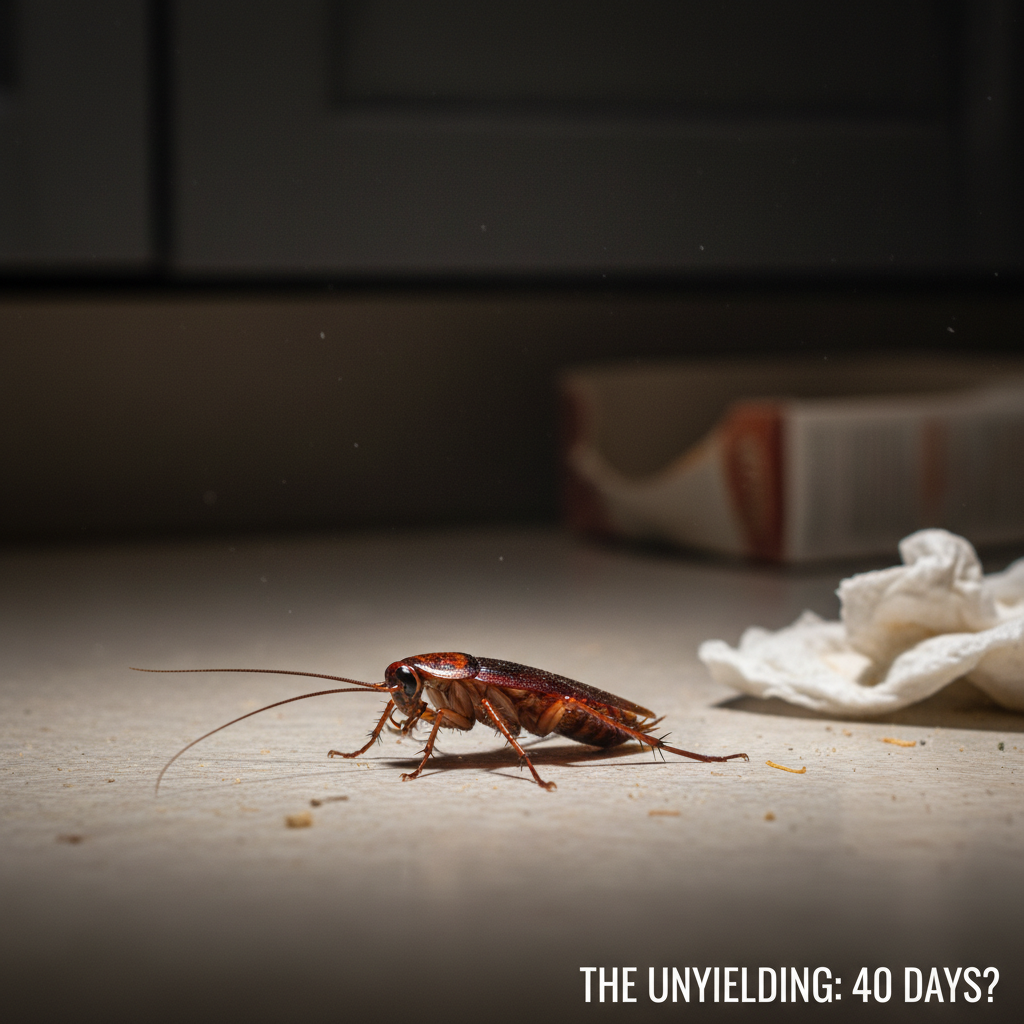
Why roach survival matters
Cockroaches are more than just an unsettling presence in your home or business. They can carry germs, contaminate surfaces, and trigger allergies or asthma symptoms. Yet perhaps the most remarkable, and frustrating, trait of these insects is their impressive endurance. You might have wondered how long do roaches live without food, and the answer can be surprisingly long. Understanding what allows cockroaches to survive under harsh conditions is the first step toward controlling or preventing an infestation. By knowing how adaptable they are, you can stay one step ahead and create an environment that is far less inviting for these tenacious pests.
That adaptability underscores why you want to address any roach issues right away. Relying on a quick fix or the hope that roaches will simply starve is rarely effective. Implementing a thorough, well-informed strategy is your best bet for keeping them out of your space for good.
How roaches survive so long without food
Cockroaches’ bodies are extraordinarily efficient at using whatever nutrition is available. They evolved to feed on nearly any organic material – from leftover kitchen scraps to soap residue and even microscopic grease films. If a typical food source is missing, they can switch to other materials conveniently found in most homes. This wide-ranging diet is a powerful advantage when resources are scarce.
In fact, cockroaches can live for up to a month without eating, largely because they slow their activity levels and switch to burning stored fat reserves. [1] Some species will aggressively forage in the dark, then hide in tiny cracks or crevices during the day to conserve energy. While you might not detect obvious signs of feeding, these pests can scavenge unnoticed behind appliances, along baseboards, or inside hollow walls.
Most dwelling places inadvertently supply them with at least a few calorie sources, especially in kitchens and bathrooms. Even small crumbs dropped on the floor can keep a cockroach going. Because they can feed on the glue in book bindings, flakes of dead skin, or leftover grease splatters, a spotless home does reduce their opportunities, but does not always eliminate them entirely. [2]
Metabolic tricks that extend their lifespan
One of the most surprising secrets behind a cockroach’s extended lifespan without food is found in their system of energy use. When nutrients get scarce, roaches switch from readily available carbohydrates to their stored fat reserves. This metabolic adaptation helps them sustain function with minimal nourishment. In addition, their cold-blooded nature means they do not need to expend energy regulating internal body temperature.
Cockroaches have also been shown to reduce their oxygen intake by about 40% during starvation, a process that slows essential metabolic activities. Combined with their incredibly low daily calorie requirement, this reduction allows them to ride out long periods of food scarcity. [2] Researchers have documented cases in which roaches survived for up to seven weeks by reducing their activity level, slowing respiration, and drawing on accumulated reserves. Essentially, they can put themselves into a near-dormant state known as diapause, waiting for better conditions to come along. [3]
Why cockroaches need water more than food
While cockroaches are undeniably resourceful about their diet, water is a different story. Most roaches cannot last more than about a week without hydration. In fact, scientists have reported that German cockroaches typically die in approximately 12 days when denied water, even if food is still available. [2]
The reason is simple: they need moisture to regulate body processes and maintain cellular function. Because roaches lose water through respiration and their exoskeleton, they must continually replace fluids. That is why you often find them near leaky pipes, damp basements, or inside bathrooms where condensation accumulates. Without a reliable source of water, even the most resilient roach species will dehydrate and die within days.
Here are just a few ways cockroaches find water in seemingly dry locations:
- Tiny drips or condensation from pipes beneath sinks
- Small puddles in shower stalls or bath fixtures
- Damp towels, sponges, or mops not fully dried
- Pet water dishes that are left out overnight
By reducing or eliminating these water sources, you significantly decrease the chance of a roach population booming in your living or working space.
Which cockroach species live the longest without food
Although the overall survival mechanisms are similar among cockroaches, different species vary in how well they handle prolonged starvation:
German cockroaches (Blattella germanica) – Known for thriving in indoor environments, adult German cockroaches can typically last around 35 days without solid food if they have access to water. Without water, they survive closer to 20 days. [2]
American cockroaches (Periplaneta americana) – One of the largest household roaches, American cockroaches often creep in through sewers and drains. Research indicates they can stretch survival up to 90 days on water alone, though 42 days is a more typical figure if no water is supplied. [2]
Other species, such as Oriental and Smokybrown cockroaches – Their survival rates tend to be in a similar range, often driven by humidity, temperature, and water availability. Roaches of all types are more likely to die sooner in drier conditions.
Interestingly, some findings show that American cockroaches can live several weeks without food, whereas German cockroaches might last only two weeks under the same conditions. However, the environment has a large impact. Warmer, more humid settings typically favor extended survival. [3]
Why starving them out rarely works
Given the cockroach’s ability to persist on almost any organic matter, trying to starve them is rarely effective as a standalone approach. Even if you remove all obvious food sources, roaches can still nibble on items you might not think of as edible, such as glue, soap, or even each other’s cast-off exoskeletons. In conditions of high population density, cockroaches sometimes resort to cannibalism, which can make control baits spread more widely but also sustain their numbers. [4]
The need for water is a more direct vulnerability. However, completely eliminating moisture sources in a typical home or office is usually impossible. From humid air in bathrooms to condensation on pipes or even small leaks under a sink, roaches can often find enough hydration to survive. If you look to forcibly starve them out, you still have to address water, shelter, mating, and their general adaptability. That is why integrated pest management – which pairs habitat changes with targeted controls – is considered the best strategy.
Practical steps to keep roaches under control
No single action can completely wipe out a roach colony, but several measures together can dramatically reduce their presence. The key is taking a thorough, consistent approach that addresses both immediate infestation and long-term prevention.
Start by minimizing food access. Clean up crumbs and spills right away, and seal leftovers in airtight containers. Make a habit of washing dishes promptly. Even small bits of leftover cereal or a smear of peanut butter on the counter can help a roach survive another day. Storing produce in the fridge instead of on counters also helps remove temptation.
Next, focus on water sources. Check for dripping faucets, worn-out washers, or slow leaks in plumbing lines. If you discover any dampness under the sink or around appliances, fix the issue at its source. Although roaches can adapt, restricting water is still one of the most effective measures for controlling their spread. [1]
Lastly, remove hiding places. Roaches thrive in cluttered or dark, undisturbed areas such as behind boxes in your garage or piles of old newspapers. Keep your space tidy by regularly discarding items you no longer need, using sealed storage bins rather than open cardboard boxes, and vacuuming frequently around corners and appliances. Even well-maintained homes have spots that roaches can invade, so a consistent cleaning routine is an excellent deterrent.
If you want to dig deeper into strategies and products for managing roaches, you may want to consult effective roach control tips or even explore permanent roach removal solutions. For specific guidance from a professional, you could also check out Midwest Pest Solutions, which specializes in helping homeowners handle roach infestations in a targeted, efficient way.
When professional intervention is needed
Some infestations become so entrenched that do-it-yourself methods are no longer sufficient. Cockroaches often nest in hard-to-reach spots such as wall voids, underneath floorboards, or behind major kitchen appliances, making it difficult to locate and eradicate every cluster. In these scenarios, a trained technician can identify the extent of the infestation and propose a more robust plan.
Professional exterminators typically use a combination of methods – baits, dusts, residual sprays, and exclusion tactics – to interrupt roach breeding cycles. Their methods often incorporate integrated pest management principles, which focus on reducing water sources and sealing entry points as well as applying targeted products. If your roach problem has resisted repeated attempts at at-home interventions, seeking professional help is often worth it for your peace of mind.
Additional factors that encourage roach survival
Even if all food and water are carefully managed, a few overlooked issues can still allow roaches to linger. Consider checking these areas throughout your home or workspace:
• Silicone or caulk seals around windows and doors – Any cracks can let in outside roaches and moisture.\
• Gaps around plumbing and utility lines – Sealing these prevents travel between units in shared buildings.\
• Piles of cardboard or newspapers – Roaches often use these for shelter; keep them to a minimum.\
• Unsealed trash cans – Even a small gap in the lid can offer occasional scraps and moisture.
Paying attention to these details has a cumulative effect. Each small measure you implement reduces the factors that cockroaches rely on for survival. Staying consistent is key, and if you suspect roaches remain active, consider investigating whether they have discovered hidden water sources or remnants of food waste in overlooked areas.
Moving beyond short-term fixes
Relying solely on roach sprays or random traps results in only partial relief. Roaches can quickly repopulate once initial survivors evolve new hiding spots or develop pesticide resistance. A far more effective approach is layering proactive measures that address the root causes of infestation.
If you are curious about methods that eliminate roaches at their source, our guide on how to get rid of roaches permanently walks you through proofing your property and forming durable, long-lasting habits. You can also read about can roaches survive cleaning to better understand how deep cleaning and targeted sanitization help. Above all, the goal is to remove the conditions that let them thrive. The right combination of cleanliness, repairs, sealed entry points, and strategic treatments is what ultimately sends roaches packing.
Final thoughts
Cockroaches exemplify resilience. Their ability to live for weeks without food and their near-constant search for moisture can make them a persistent threat in homes and businesses. While it is sobering to learn how long do roaches live without food, the good news is that understanding their behavior is a powerful tool. By limiting both food and water, maintaining a clutter-free environment, and staying vigilant about potential nesting spots, you can tip the scales against these pests.
Should your efforts need an extra boost, do not hesitate to seek professional guidance. Specialists can help identify hidden infestations and recommend the best treatments for your specific situation. With determination and a comprehensive approach, you can keep roaches at bay and enjoy a healthier, cleaner indoor environment.